

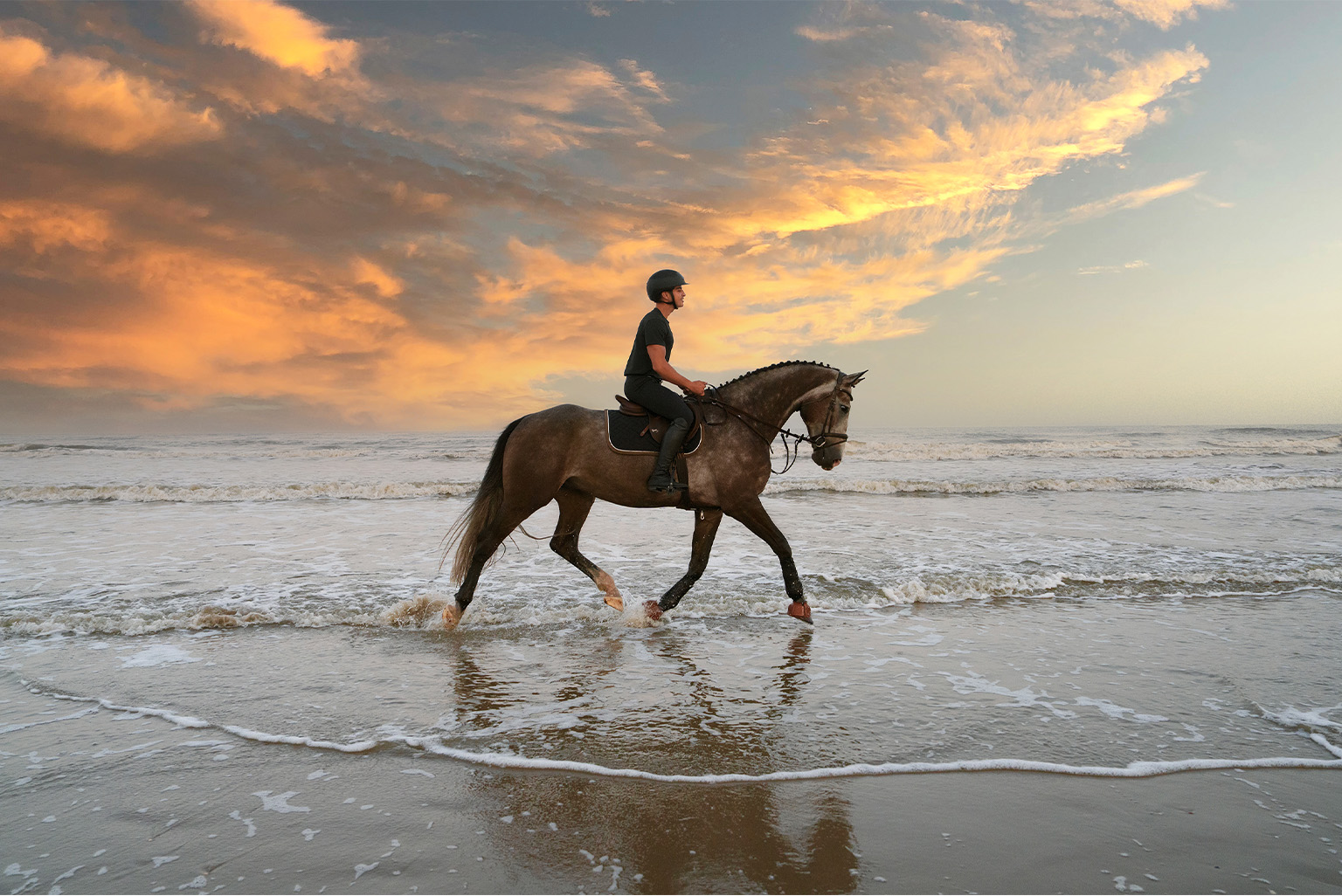
Buying a horse in 2025 means balancing excitement with practicality. Decide on your goals, budget beyond the upfront cost, always vet the horse, and use trusted platforms or dealers. Seeing the horse in different settings and prioritising welfare ensures the right long-term partnership.
Jump To:
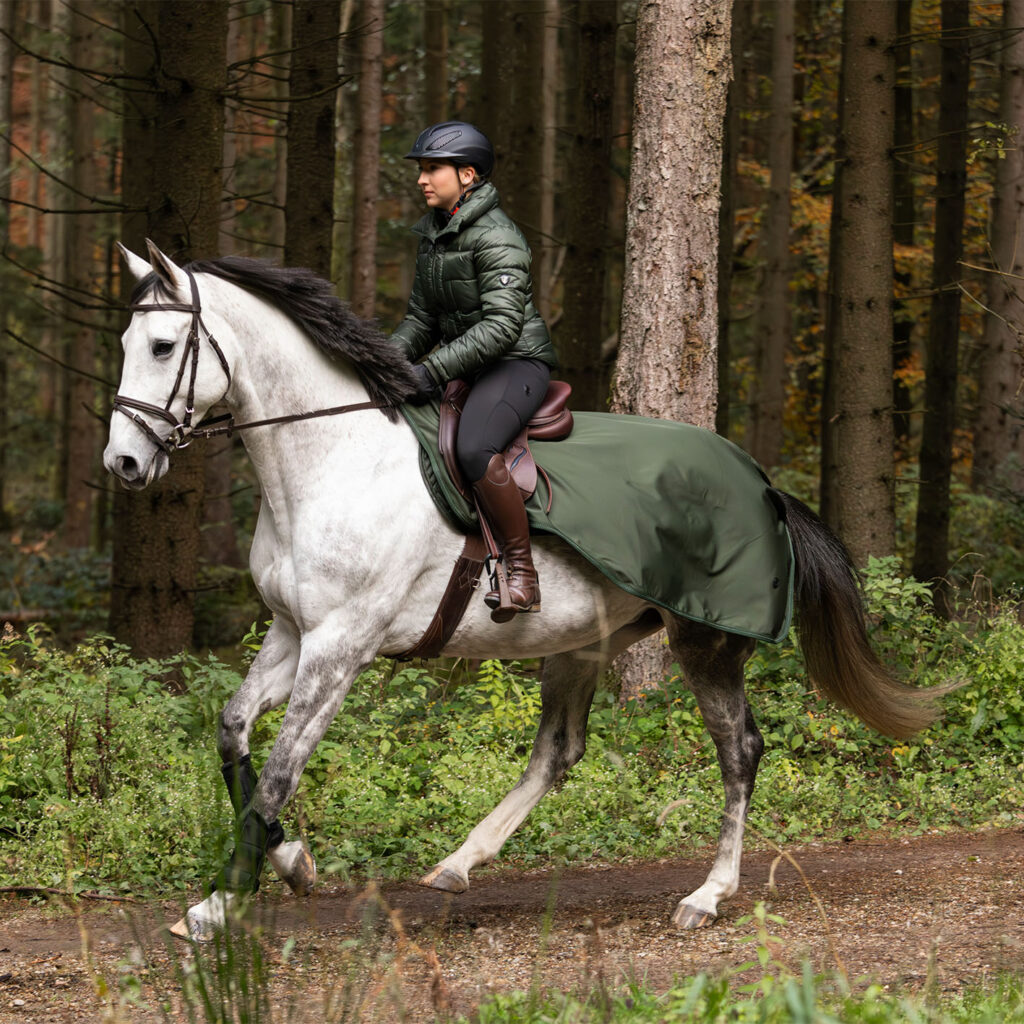
Buying a Horse in Today’s Market
Horse ownership remains one of the most rewarding experiences, but it’s also a serious commitment. In 2025, the landscape of buying a horse has shifted: higher living costs, increased awareness of welfare, and better online platforms all shape how riders find their next partner.
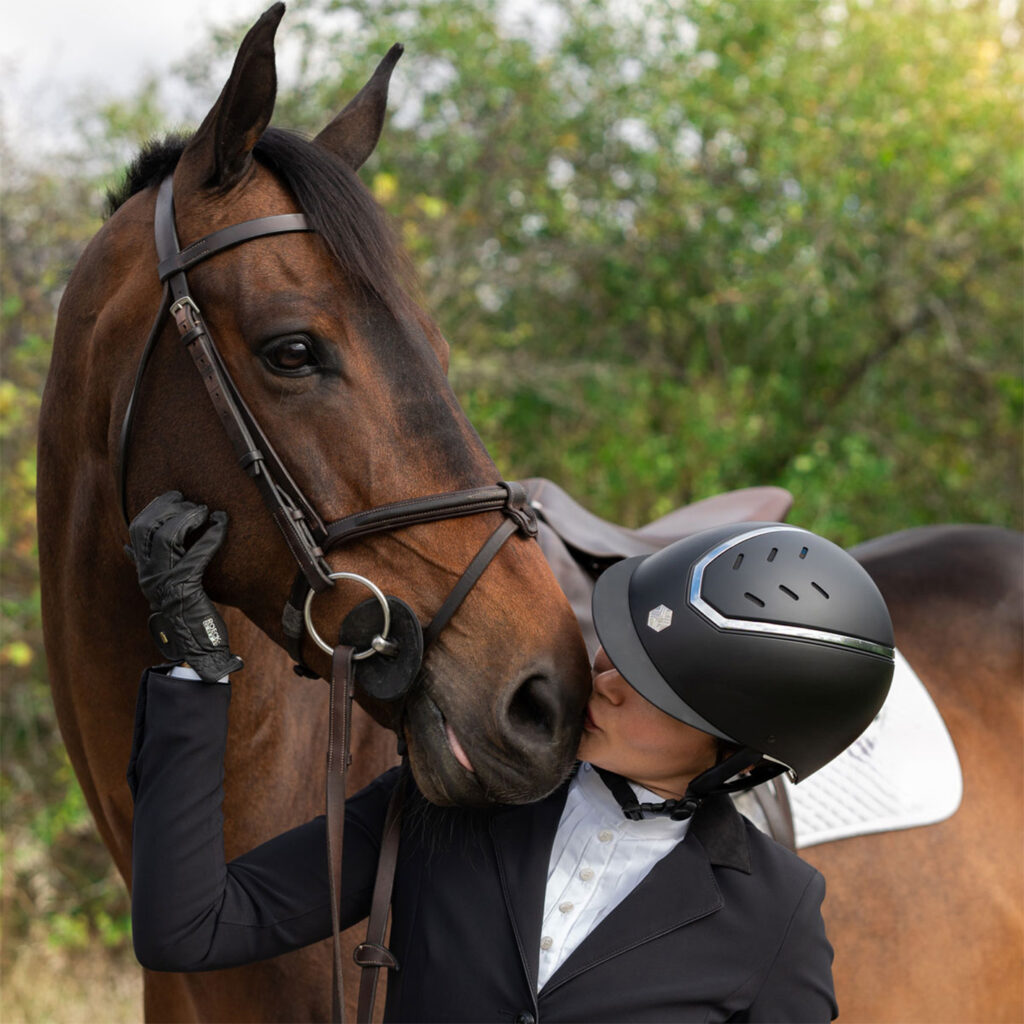
Whether you’re asking “where can I buy a horse?” or “how much does it cost to buy a horse?”, the process can feel overwhelming. From horses for sale online to traditional horse auctions, following a few proven tips can save you heartache, time, and money.
Be Clear on Your Goals
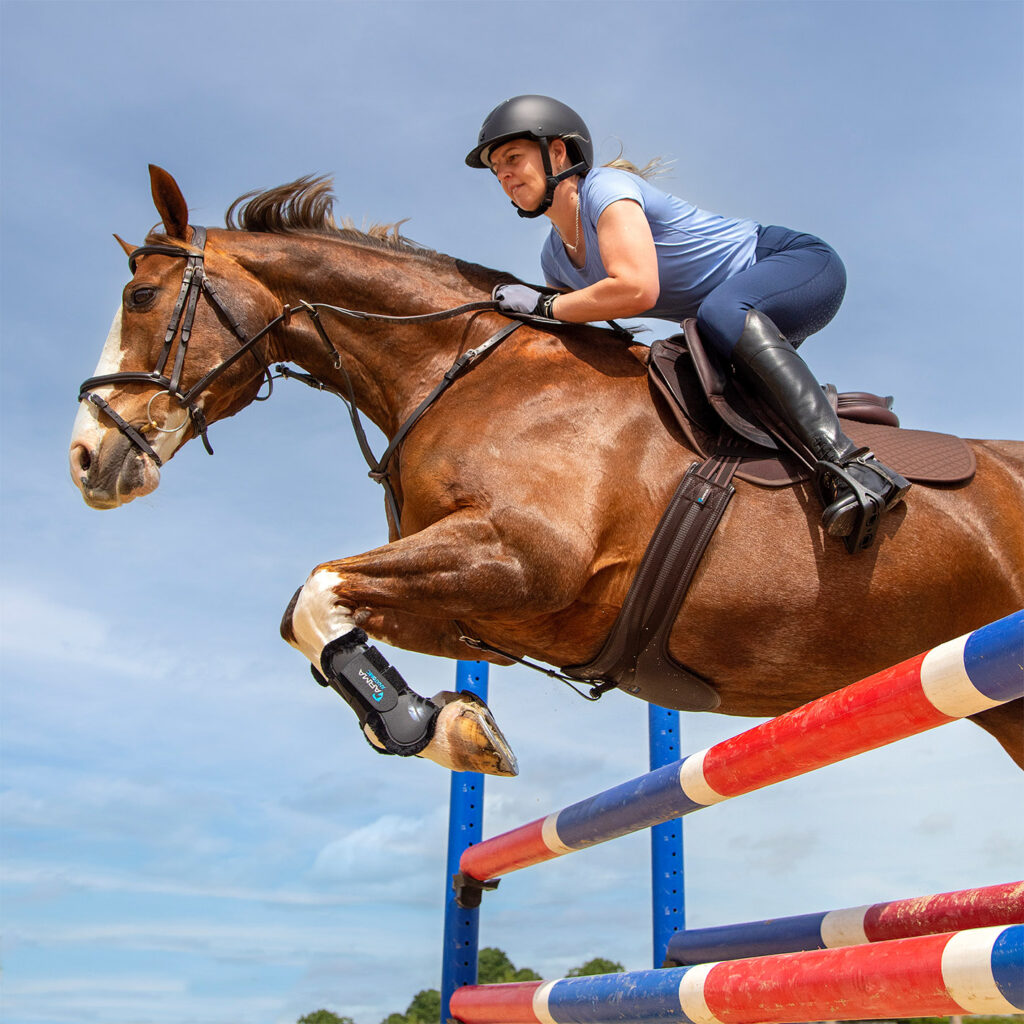
The first step in learning how to buy a horse is defining what you want from ownership. Are you looking for a competition prospect, a safe all-rounder, or a youngster to produce? Being clear about your riding level and ambitions will prevent you from being swept up by the wrong horse.
- Competition riders should focus on proven records in their chosen discipline.
- If you’re after a family-friendly Pony Club or Riding Club horse, temperament and manners outweigh flashy movement.
- For happy hackers, reliability in traffic and company matters most.
Matching your goals with your time and ability makes it far more likely that you’ll build a lasting partnership.
Budget Beyond the Purchase Price
One of the most common mistakes when buying a horse is focusing only on the upfront price. In 2025, the cost of buying a horse varies widely depending on breeding, competition record, and demand. But that’s just the start.
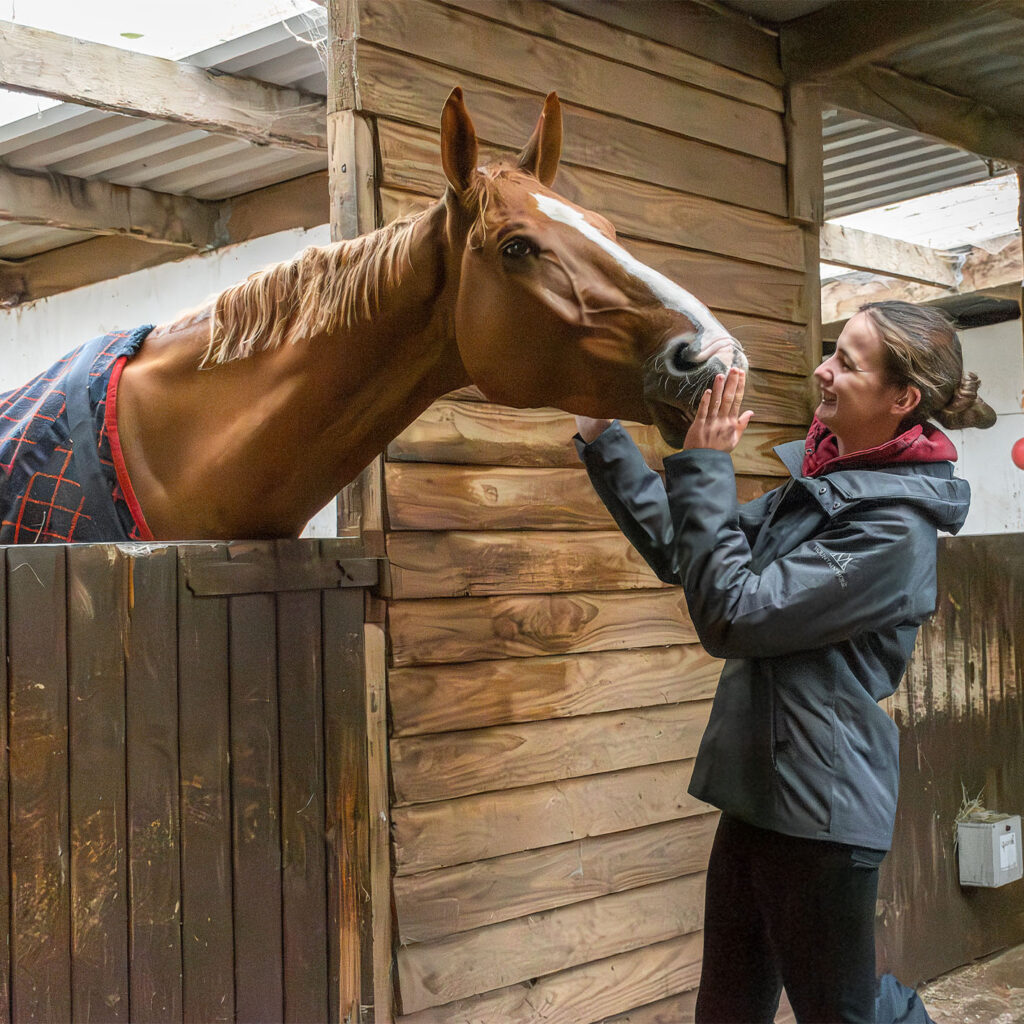
Factor in:
- Livery fees – whether DIY, part, or full.
- Routine costs – farrier, feed, dentist, physio, vaccinations.
- Insurance – cover for both veterinary bills and public liability.
- Unexpected expenses – a buffer for injury or illness is essential.
Owning a horse is a long-term financial commitment, not just a one-time purchase.
Where to Buy a Horse
Where you choose to buy a horse matters as much as the horse itself. In 2025, online platforms have become a primary marketplace – but not all are created equal.
- Online platforms: Websites such as Whickr provide safe, transparent listings of horses for sale near you.
- Reputable dealers: Dealers can save time by matching you with suitable horses and offering consumer protection.
- Horse auctions: Buying from a horse auction can be an option, but it requires experience and caution.
- Private sales: Word of mouth or social media can work, but always check history and ask for references.
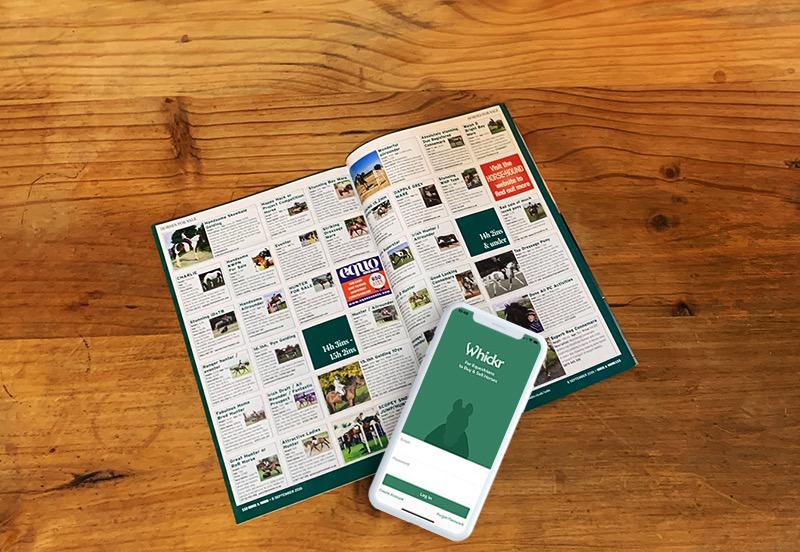
Wherever you buy, do your due diligence and never feel pressured into rushing a sale.
Check Passports, Vettings and Paperwork
Paperwork is more than just red tape — it’s your safety net. Always ask to see the passport, vaccination records, and proof of ownership. Missing or vague information should be a red flag.
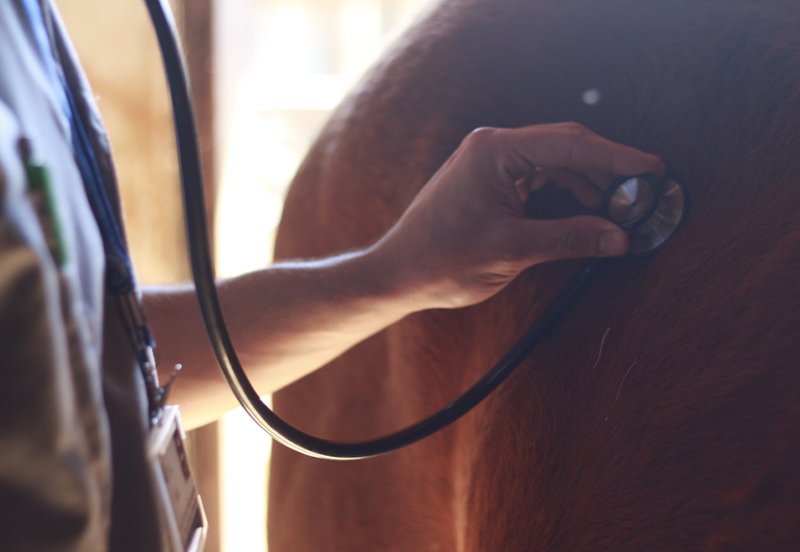
A pre-purchase vetting (ideally a 5-stage) gives you peace of mind that the horse is sound and suitable for your intended use. Even if the horse looks healthy, underlying issues may only be picked up during a professional vetting.
See the Horse in Different Settings
Videos can be useful, but nothing beats seeing the horse in person. Ask to view them:
- Being caught, groomed, and tacked up
- Ridden in the school and in open spaces
- Hacked out, ideally in company and alone
- At a show or training environment, if possible

Seeing a horse in different situations gives you a truer feel for their behaviour and suitability.
Don’t Overlook Welfare and Fit
With welfare under increasing scrutiny in 2025, it’s vital to choose a horse that suits your confidence, lifestyle, and facilities. The “dream horse” on paper might not be the right fit if they’re too sharp, too green, or have higher maintenance needs than you can provide.
For impartial advice, the British Horse Society has excellent guidance on welfare standards and ownership responsibilities.
Choose a horse that looks well, has a kind eye, and has clearly been cared for. A horse that truly fits your life will always be the better choice.
Take Your Time and Trust Your Gut
Finally, never rush. The right horse is out there — and it’s worth waiting for. Trust your instincts when meeting both the seller and the horse. A transparent, honest sale usually feels straightforward; if you’re sensing hesitation or pressure, walk away.

FAQs on Buying a Horse in 2025
How do you buy a horse?
Start by defining your goals, setting a realistic budget, and researching where to buy — from trusted online platforms to horse auctions. Always arrange a vetting before purchase.
How much does it cost to buy a horse?
The price of a horse varies from a few hundred to tens of thousands, depending on age, breeding, and discipline. Remember to factor in long-term care costs.
Where can I buy a horse near me?
Look at reputable online platforms, horse dealers, and local horse auctions. Always visit the horse in person before committing.
Is a 5-stage vetting always necessary?
Not always. A 5-stage vetting is strongly recommended for higher-value horses or if required by your insurer. For lower-value or leisure horses, a 2-stage may be enough.
What should I check in a horse’s passport?
Confirm microchip details, vaccination history, ownership records, and breed information. Discrepancies may signal problems.
Do I need to buy a horse trailer?
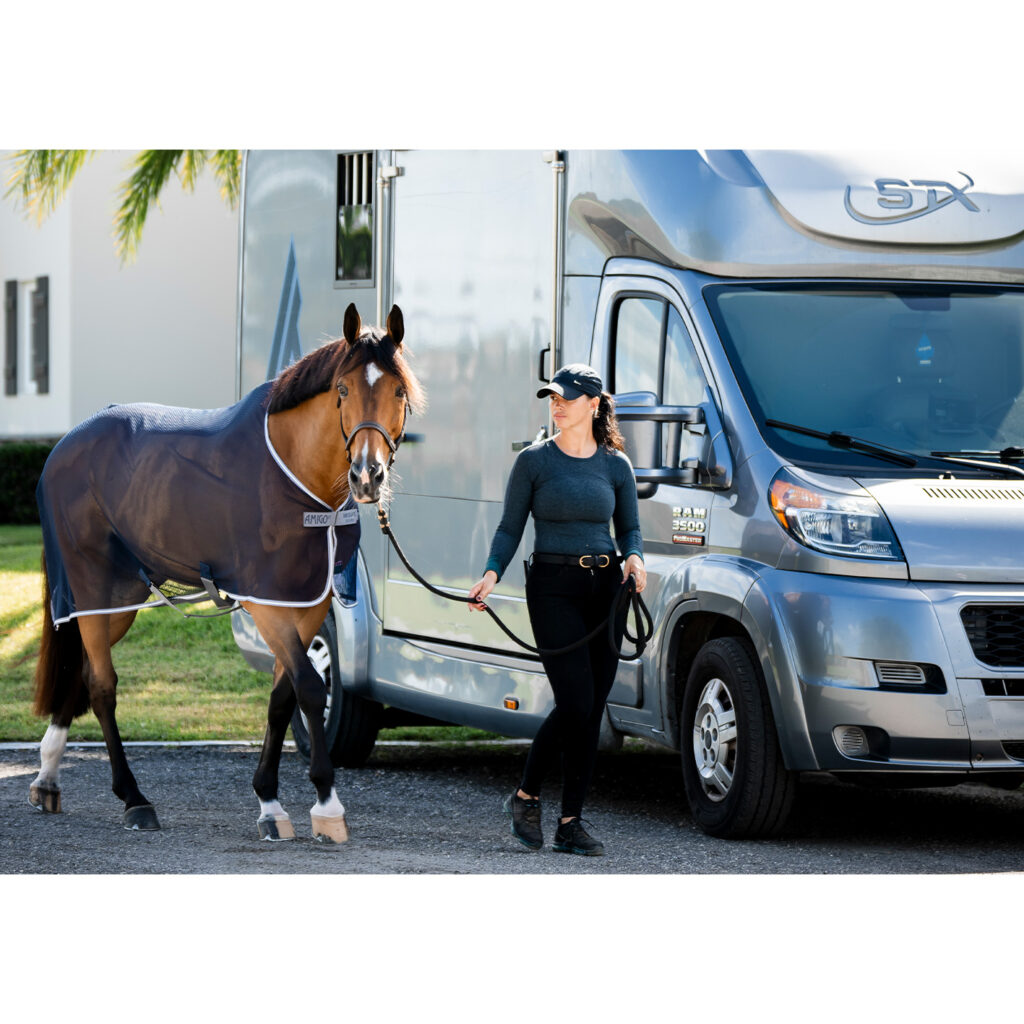
Owning or hiring a horse trailer (or lorry) will be essential if you plan to transport your horse to competitions or shows. Consider this in your long-term budget.
Once you’ve found your perfect horse, you can get everything else you need—from rugs to saddles—at Redpost Equestrian. Explore our full Saddlery & Tack collection by clicking the link below to get started.
If you require any further information or have any further questions outside of the above FAQ’s about buying a horse. Please email us at [email protected].