
Do you know what to expect in the 10 minute box?
Although the 10 minute box, or ‘D-Box’ may just seem like a quick breather for horse and rider, it’s an essential part of Long Format Eventing. Cameron Beer talks through the aims of the 10 minute box and how to best prepare yourself and your horse for the Cross Country.
Aims of the 10 Minute Box
While the 10 Minute Box may seem like nothing more than a brief pause for horse and rider, it plays a crucial role in Long Format Eventing. The main aims are to check that your horse is sound, fit, and ready to continue with the rest of the competition. Things like heart rate and temperature need to be monitored for the safety of the horse.
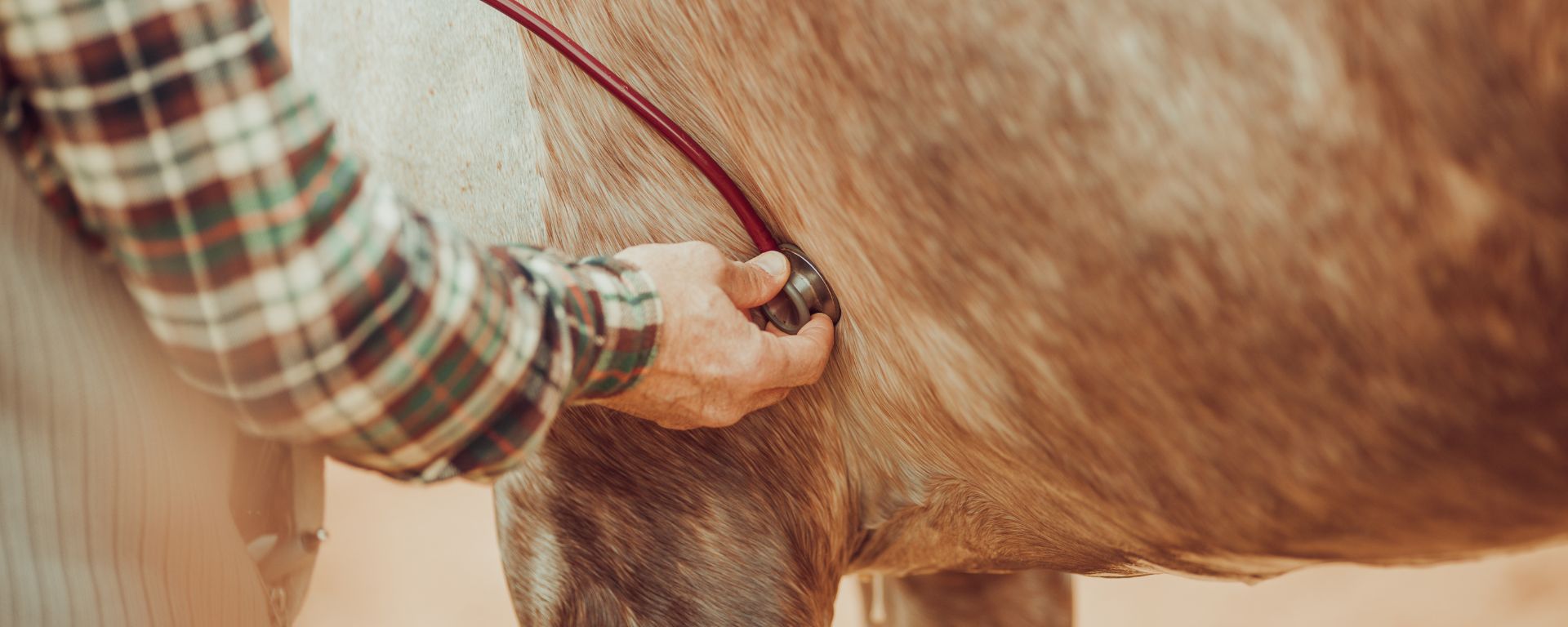
Before you enter the box, a vet will be watching you finish Phase C in a trot so they can assess the soundness of your horse. Then, once the vet is confident that your horse is perfectly sound, they will check your horse’s heart rate. They’ll be monitoring this at regular intervals while you are in the 10 Minute Box, ensuring that it is decreasing over time.
Your aims while in the 10 Minute Box should be to reduce your horse’s temperature, but not allow them to get cold. They may also need washing down if they have got sweaty during Phases A-C, and will need to keep moving in order to maintain joint suppleness and keep their adrenaline up. Getting fluid into your horse is also essential, and fresh, tepid water is advised at this stage.
You should also be preparing yourself for the cross country. Rehydrating before the physical challenge of a cross country course is crucial. You may also need a top-up of energy, which can be found in snack bars and sports drinks.
In the unfortunate case where you lose or break something during Phases A-C, the 10 Minute Box is the time to be replacing an overreach boot, swapping to fresh gloves, or even changing reins. Some competitors may prefer to ride without their Air Jacket for the first few phases, and can also use this time to pop their Air Jacket on before the Cross Country.
Although rare, losing shoes can also occur during a Long Format Event. In this case there will be a farrier on hand, however they will only be able to put on one of your horse’s existing shoes, instead of shaping a new one. Therefore, bringing along your horse’s last set of shoes could save you from having to retire!
More Tips for Long Format Eventing
Heading to Bicton Arena’s October Horse Trials? Take a look at more information and advice from Cameron Beer below.
Building your Horse’s Fitness