

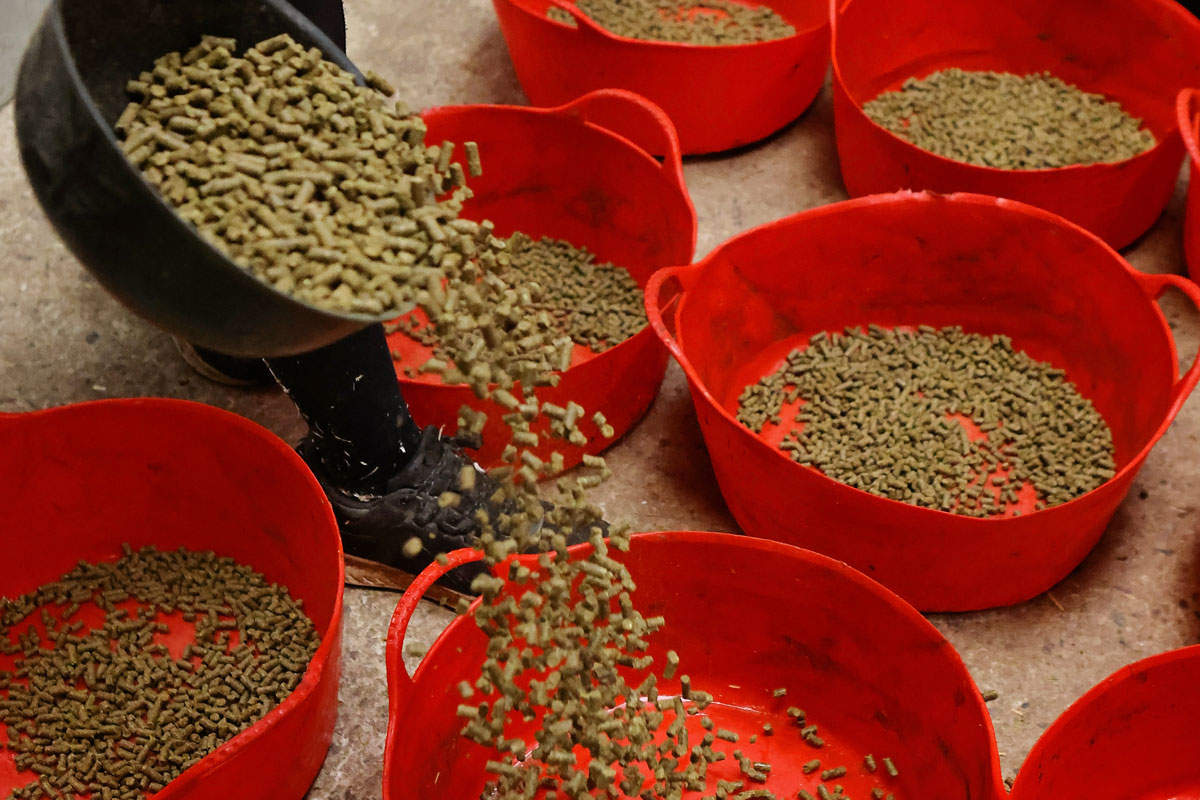
Here at Redpost Equestrian, we are busy preparing for BETA Feed Fact Fortnight, Spring 2026. Running from Friday 27th March until Saturday 11th April, the store will play host to a series of feed industry experts and brand representatives, available to support our customers with information and advice about their leading products. This season the theme is ‘A Lifetime of Nutrition’, showcasing the importance of providing your horse or pony with the correct nutritional support, throughout their lifetime.
A campaign aimed at dispelling feeding myths and improving knowledge of equine nutrition, BETA Feed Fact Fortnight offers an opportunity for horse owners to access reliable, specialist advice, so that they can shop with confidence when choosing the right feeds and supplements for their horses.
What’s On In Store?
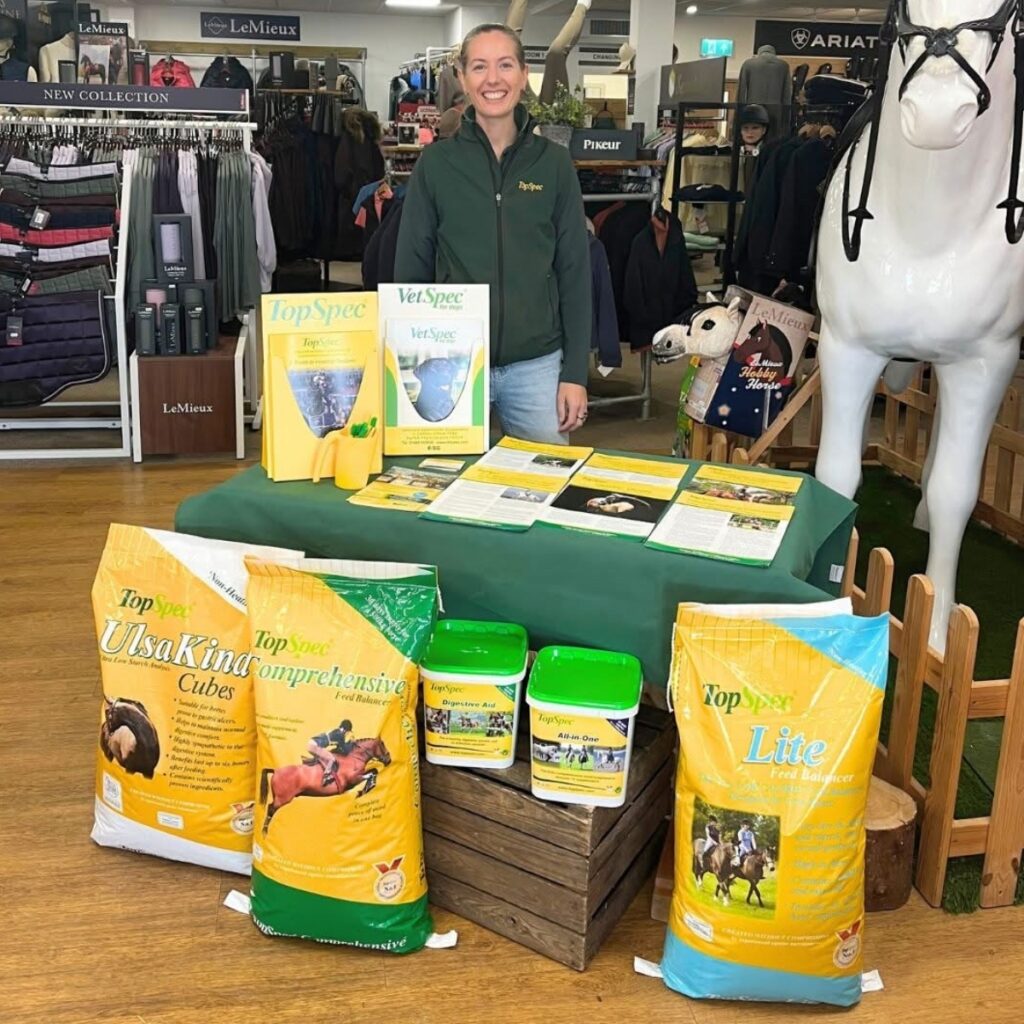
We are fortunate to have the following companies visiting us as part of this event:
| DATE | BRAND | TIME | |
| Friday 27th March | British Horse Feeds | British Horse Feeds is a premier UK manufacturer known for producing high-quality, fibre-based, and quick-soaking equine feeds. They are best recognised for their flagship product, Speedi-Beet, popular for improving nutrient availability. | 10am – 2pm |
| Saturday 28th March | TopSpec | ‘Created without Compromise’ – TopSpec is one of the UK’s favourite brand of feed balancers and quality horse feeds. | 10am – 2pm |
| Sunday 29th March | Horsehage | Official forage supplier to the British Equestrian Team, HorseHage have a wide collection of forage and fibre based horse food to suit your horse and their dietary requirements. | 10am – 2pm |
| Monday 30th March | Keyflow | Keyflow provides advanced, scientifically developed feeds using pre-digested and steam-extruded ingredients for optimal nutrient absorption and equine performance. | 10am – 2pm |
| Tuesday 31st March | Honeychop | Honeychop offers a range of fibre-based chaff feeds blended with natural ingredients to encourage healthy digestion and fuss-free feeding. | 10am – 2pm |
| Wednesday 1st April | Dengie | Founded in 1968 as a farmer’s cooperative, Dengie is still run today with the same ethos of supporting the local farming community. They grow as many of their own ingredients as possible which keeps their ‘feed miles’ low and provides the best traceability possible. | 9am – 12noon |
| Thursday 2nd April | Cavalor | Cavalor is a premier Belgian-based brand specialising in high-performance equine nutrition, supplements, and care products. With products distributed in over 50 countries, Cavalor products are widely used by Olympic, World Cup, and championship riders. | 10am – 2pm |
| Saturday 4th April | Baileys | Baileys Horse Feeds are renowned for their scientifically formulated, high-quality equine nutrition products that support performance, health, and wellbeing for a range of different horses and ponies. | 10am – 2pm |
| STORE CLOSED | EASTER SUNDAY | ||
| Tuesday 7th April | NAF | NAF supplements are created using natural formulas developed by vets and nutritionists using premium grade, fully traceable ingredients. | 10am – 2pm |
| Wednesday 8th April | Horslyx | Horslyx Balancers have been carefully formulated to balance the deficiencies in forage and grazing. This is a unique and innovative approach to ensuring that the modern horse’s health is supported. | 10am – 2pm |
| Thursday 9th April | Red Mills | Red Mills is a company with over 100 years of experience producing high-performance horse feed. They use scientifically advanced, ‘Precision Nutrition’ strategies and locally sourced ingredients to support equine health. | 10am – 2pm |
| Friday 10th April | Spillers | Industry leaders in equine nutrition and horse feed products, Spillers are passionate to help benefit the lives of our horses and ponies; whether competitive performance is the goal or simply enjoying the pleasures that horses bring. | 10am – 2pm |
| Saturday 11th April | Allen and Page | Allen and Page produces natural, sustainable, and carefully balanced feeds tailored to support every horse’s specific dietary and performance needs. | 10am – 2pm |
Our friendly brand representatives will be stationed in our foyer and on hand to help you – keep your eyes peeled for a range of fantastic offers on leading products throughout the event!
Spring Feeding Facts
In the UK, rapidly growing spring grass can be higher in sugars and non-structural carbohydrates (NSCs) than winter forage, because cool nights and warm, sunny days encourage plants to accumulate soluble sugars. This sudden increase in readily available energy can pose a health risk, especially for native breeds, easy keepers or animals prone to metabolic issues such as laminitis or equine metabolic syndrome.
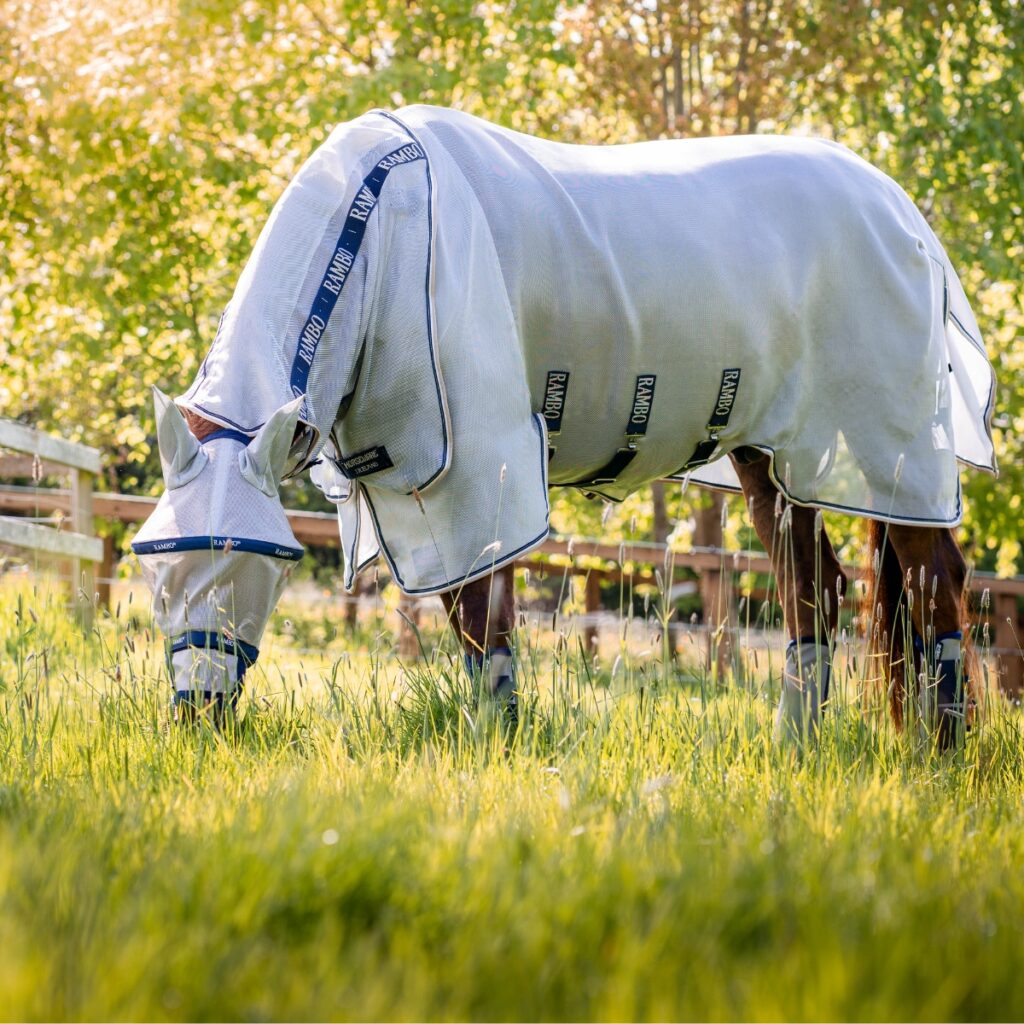
Introducing your horse to spring grazing gradually helps their digestive microbes adapt and reduces the risk of colic or laminitic episodes — try short turnout periods initially, increasing duration over several days or weeks rather than all at once. For those at higher risk, consider management tools like grazing muzzles or strip grazing to control intake, or turnout during lower-sugar periods such as early morning or overnight.
Don’t forget the basics: continue to provide good-quality forage such as hay or haylage alongside grazing, maintain access to fresh water, and monitor body condition regularly. Adjust hard feeds or supplements in line with workload and individual needs, seeking advice from an equine nutritionist or vet when required.
Feeding Tips
- Introduce grazing gradually – Shorter periods of turnout to begin with will allow the hindgut microbes time to adapt to richer grass.
- Be mindful of sugar levels – Cool nights and bright spring sunshine can raise grass sugar (NSC) levels.
- Use practical grazing management – Strip grazing, track systems or grazing muzzles can help regulate intake without removing turnout altogether. Early morning turnout may be preferable during high-risk periods.
- Monitor body condition regularly – Spring grass can lead to rapid weight gain. Condition score every couple of weeks and adjust forage or bucket feed accordingly.
- Balance, don’t overfeed – As grass intake increases, calorie-dense hard feed may no longer be necessary. However, ensure essential vitamins and minerals remain adequately supplied, particularly if bucket feed is reduced.
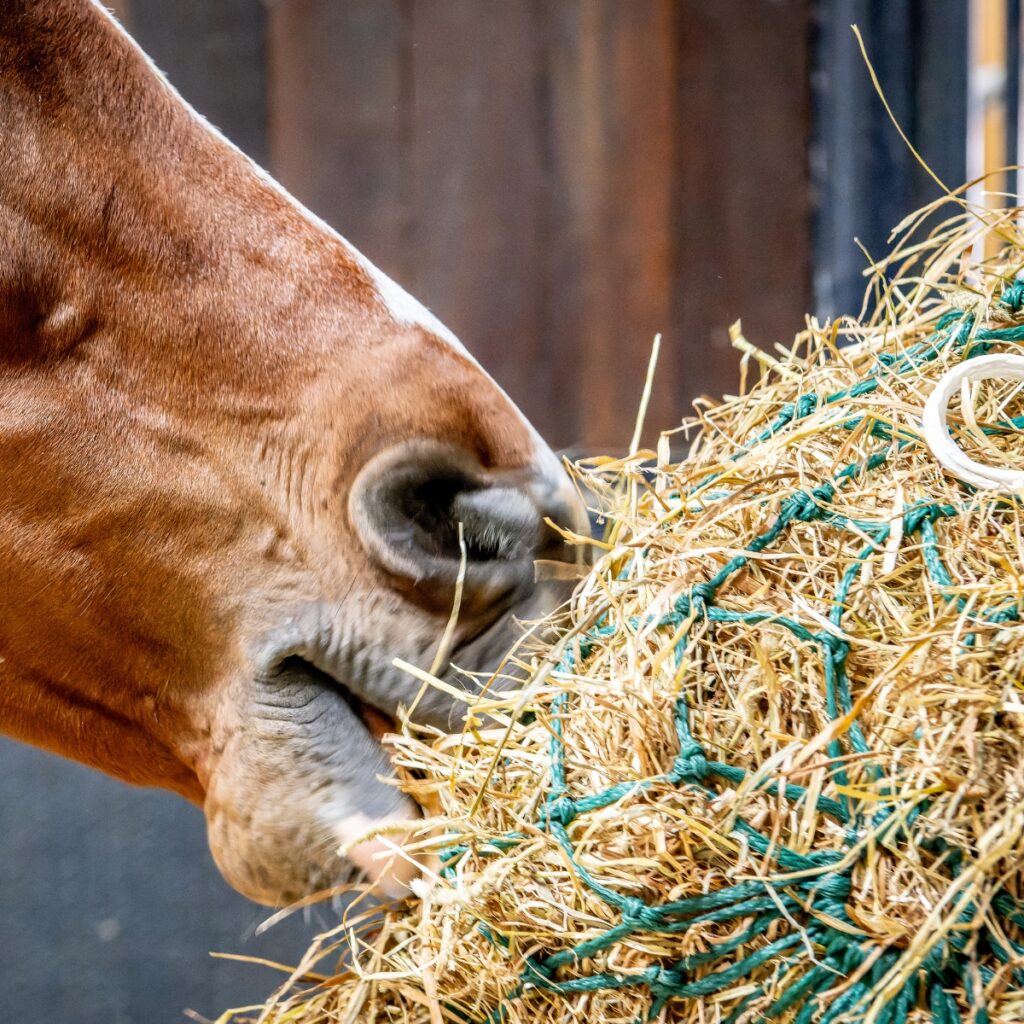
- Keep fibre at the core – Continue to provide access to suitable forage (hay or haylage) to support digestive health, especially during restricted grazing.
- Provide constant access to fresh water and salt – Increased grass intake and rising temperatures can alter hydration needs.
Looking for feeding advice?
At Redpost Equestrian we stock a wide range of horse feeds and supplements. We are always happy to give information on the products we sell or to provide the details of specialist nutritional helplines who can advise further. We always recommend consulting with your vet for any specific dietary concerns.
You can contact our knowledgable team by emailing [email protected], calling 01803 812040, or use our Live Chat service through our website or app.