


If you have ever found yourself wondering whether your horse is carrying a little extra padding, you’re not alone, and you’re certainly not the first. Managing weight in horses is now one of the most talked-about topics in equine care, and for good reason. Studies show that more than half of the UK’s horse population is overweight, including a surprising number who are in regular work.
As horse owners, understanding how to manage their weight is essential to long-term health and performance.
The Causes of Weight Gain in Horses
Feeding too much may seem like the main factor, but it’s not always the sole cause. Weight gain in horses is often the result of a mix of numerous things, many of which are easy to overlook.
Metabolism Matters: Some horses, especially native breeds like cobs, Welsh ponies, or Highlands, are genetically programmed to survive on very little. These hardy types are incredibly efficient at turning grass and forage into stored fat. Even crossbreeds or those that look more refined might carry these thrifty genes and need less feed than we think.
Workload vs. Reality: Many owners feed for the amount of work they plan to do, rather than the work their horse is actually in. Always check the feeding rates on the bag for the manufacturer’s workload recommendations and be realistic about how much your horse is really doing each week.
Old Habits Die Hard: In certain showing disciplines, the idea of a horse in “good condition” still leans toward a rounder appearance. But fat isn’t fitness, and carrying extra weight is no longer considered healthy, especially when we know the long-term risks.
The Hidden Dangers of Excess Weight
A chunky pony might look cute, but the risks of obesity are real and often serious. Carrying too much weight can contribute to:
- Laminitis and Equine Metabolic Syndrome (EMS)
- Increased strain on joints, leading to lameness
- Poor stamina and reduced performance
- Hormonal behaviour changes, especially in mares
- Fertility issues
- Respiratory issues, like Summer Pasture-Associated RAO (SPARAO)
What many owners don’t realise is that fat is metabolically active. It releases inflammatory compounds that can make a horse feel sluggish and increase the risk of chronic disease over time.
Monitoring Weight the Right Way
Weight management starts with knowing what’s normal for your horse. That means using both your eyes and your hands.
Body Condition Scoring (BCS) is one of the most simple ways to monitor your horse’s weight. Combine this with a weigh tape, and you can start tracking trends over time. The BCS isn’t the most exact system, but even if the numbers aren’t perfect, they’re great for spotting gains or losses.
Top Tips for Managing Your Horse’s Weight
Weight control doesn’t mean starving your horse and doubling their exercise, it means being strategic and consistent. Here are some owner-friendly tips:
- Weigh tape and body score weekly – try to make it part of your regular routine
- Feed for current work levels, not the ones you hope to reach
- Soak hay to reduce sugar content, and consider adding clean, quality straw to help fill them up
- Stick to low-sugar, high-fibre feeds and avoid unnecessary extras
- Don’t over-rug, let their natural metabolism do its job
- Make sure you’re still providing balanced micronutrients, especially if reducing hard feed (consider NAF Optimum Balancer or General Purpose Supplement)
Nutritional Support That Makes a Difference
Alongside management, nutrition plays a huge role in supporting healthy weight and metabolism. Supplements that include ingredients like magnesium, spirulina and marine-derived nutrients have shown benefits in helping horses maintain insulin sensitivity and improve fat metabolism.
The key is honesty: assessing your horse’s condition without judgement, and making informed choices that support their long-term wellbeing.
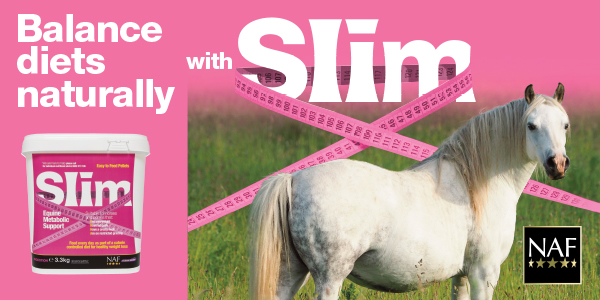
If your horse needs help managing weight without compromising on nutrition, NAF Slim Pellets are a game-changer. These easy-to-feed pellets are designed specifically for overweight horses and ponies, offering:
- Low-calorie support for healthy weight loss
- Key nutrients like spirulina, MSM, and marine extracts to promote metabolism
- Added antioxidants to support overall health during weight loss
- A pelleted format for fussy feeders or those prone to picking around powders
- Ideal for horses on restricted diets or those prone to weight gain, EMS, or laminitis
Helping You and Your Horse Stay on Track — With Redpost & NAF
At Redpost Equestrian, we know how much you care about your horse’s health, and we’re always here to help. We proudly stock the full range of NAF products, including NAF Slim Pellets, balancers, and nutritional support tailored for horses of all shapes and sizes. Whether you’re looking to prevent seasonal weight gain, support a horse with metabolic concerns, or simply want to keep your horse in tip-top shape, we’re here with trusted advice and high-quality products from NAF, a brand known and loved across the equestrian world.
Weight management is a challenge, but it’s absolutely achievable with the right tools, support, and mindset. Regular monitoring, thoughtful feeding, and targeted nutritional support can make all the difference.