

Finding the right stirrup leathers is key to comfort, balance, and security in the saddle. With the correct size, your position is supported, your ride feels smoother, and you avoid the frustrations of leathers that are too long or too short. In this guide, we’ll walk you through how to measure stirrup leathers, what size you might need for different disciplines, and some quick tips to help you choose the perfect pair.
Jump to
Why Stirrup Leather Length Matters
Stirrup leathers that don’t fit correctly can affect your stability and position. If they’re too long, your legs may struggle to stay in place; if too short, you’ll feel perched and unbalanced. Choosing the right length gives you the flexibility to adapt to different riding styles, whether that’s flatwork, showjumping, or hacking.
How to Measure Stirrup Leathers
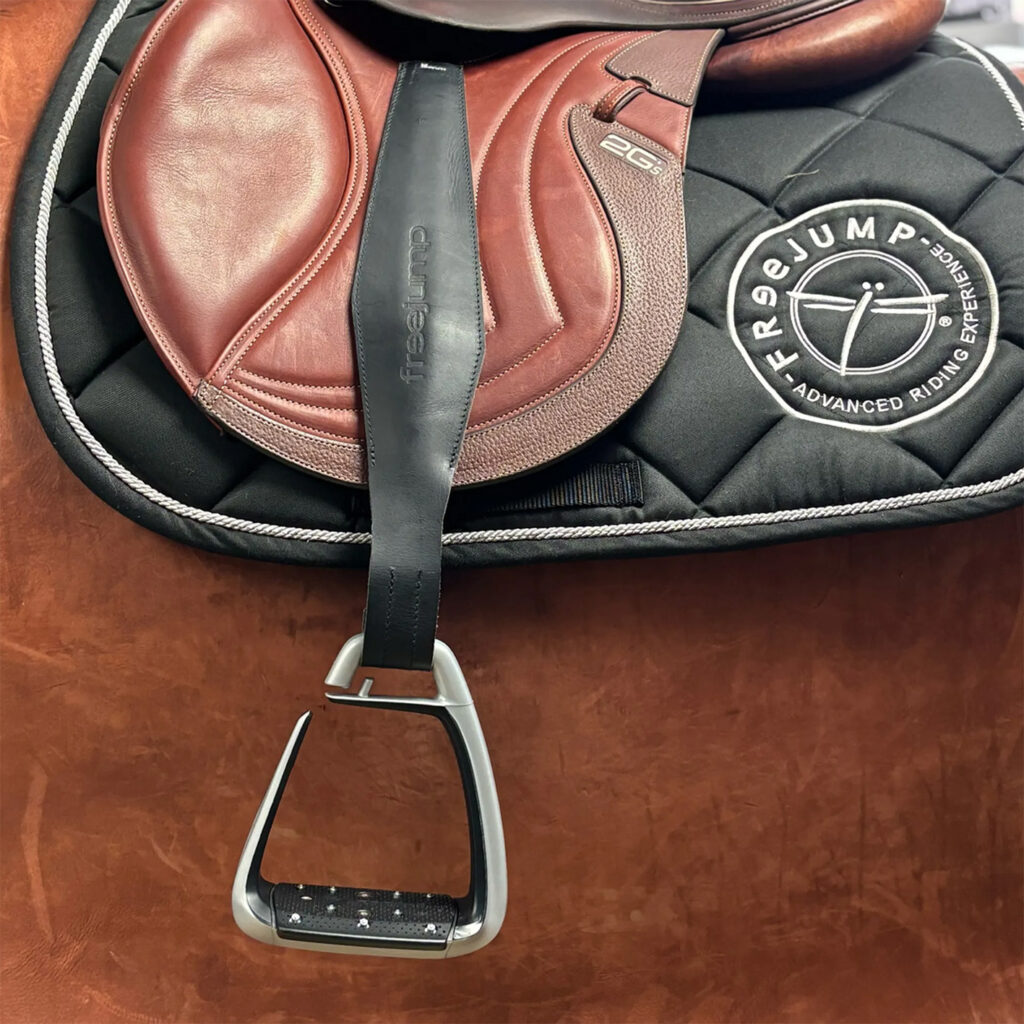
There are a few tried-and-tested methods riders use to measure their leathers:
Arm Method: Hold your arm straight out and measure from your armpit to your fingertips, then double that measurement. This gives a solid starting point for general riding.
Armpit Check: Place the buckle at the stirrup bar, pull the leather down, and the tread should reach your armpit.
Mounted Check: Once on board, your feet should rest comfortably in the stirrup irons with your legs hanging naturally—this is the best final check.
Measuring For Your Riding Discipline
General Purpose and Jumping Saddles
If you ride in a general-purpose saddle, you’ll need stirrup leathers that offer enough flexibility to suit both flatwork and jumping. The length required can vary slightly depending on the saddle flap and design, but the adjustability in the buckle holes usually provides enough range to switch between positions comfortably.
Measuring Tips
- Hold your arm out straight in front of you.
- Measure from your armpit to the tips of your fingers.
- Double the measurement.
- Add 2 inches.
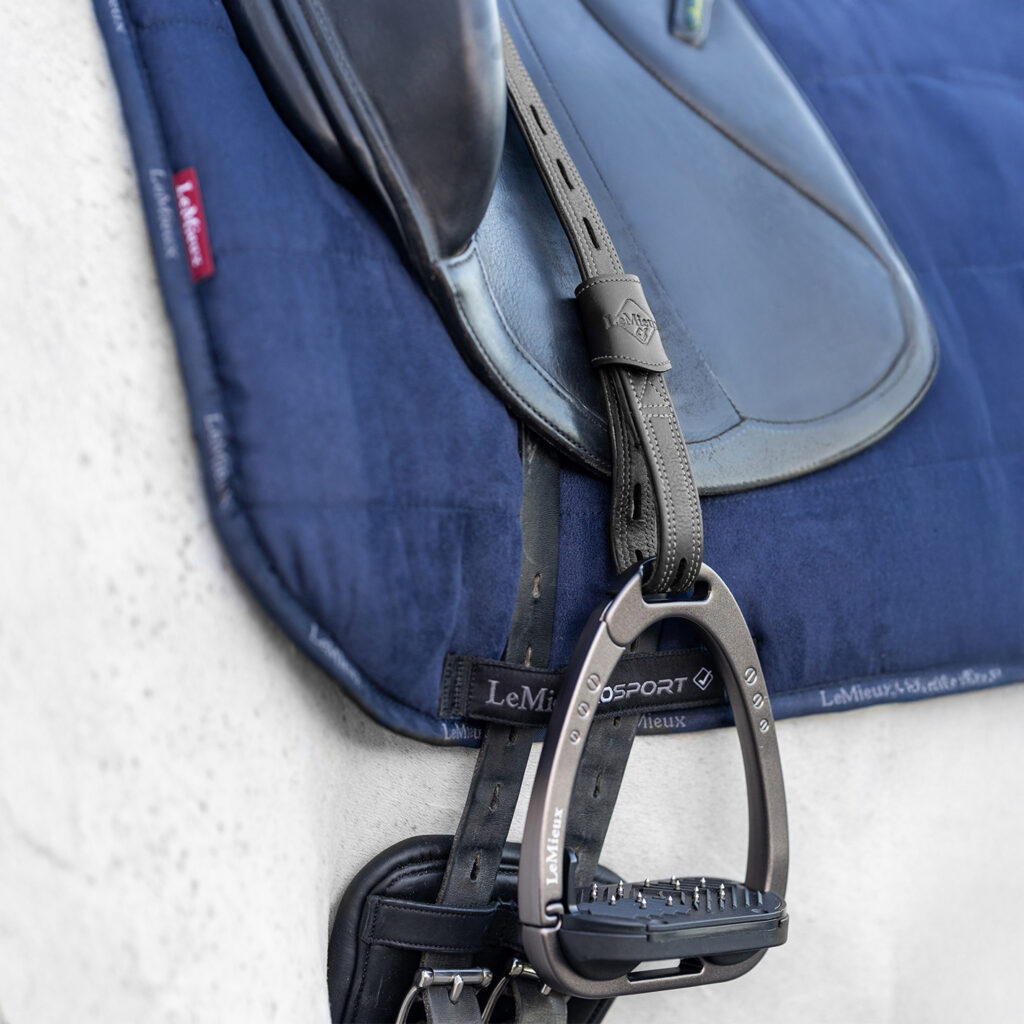
Showjumpers typically ride with shorter stirrups, which allows the horse to round over fences (bascule) without the rider’s weight interfering. This shorter length helps the rider stay secure and balanced while giving the horse freedom to jump cleanly.
Cross Country
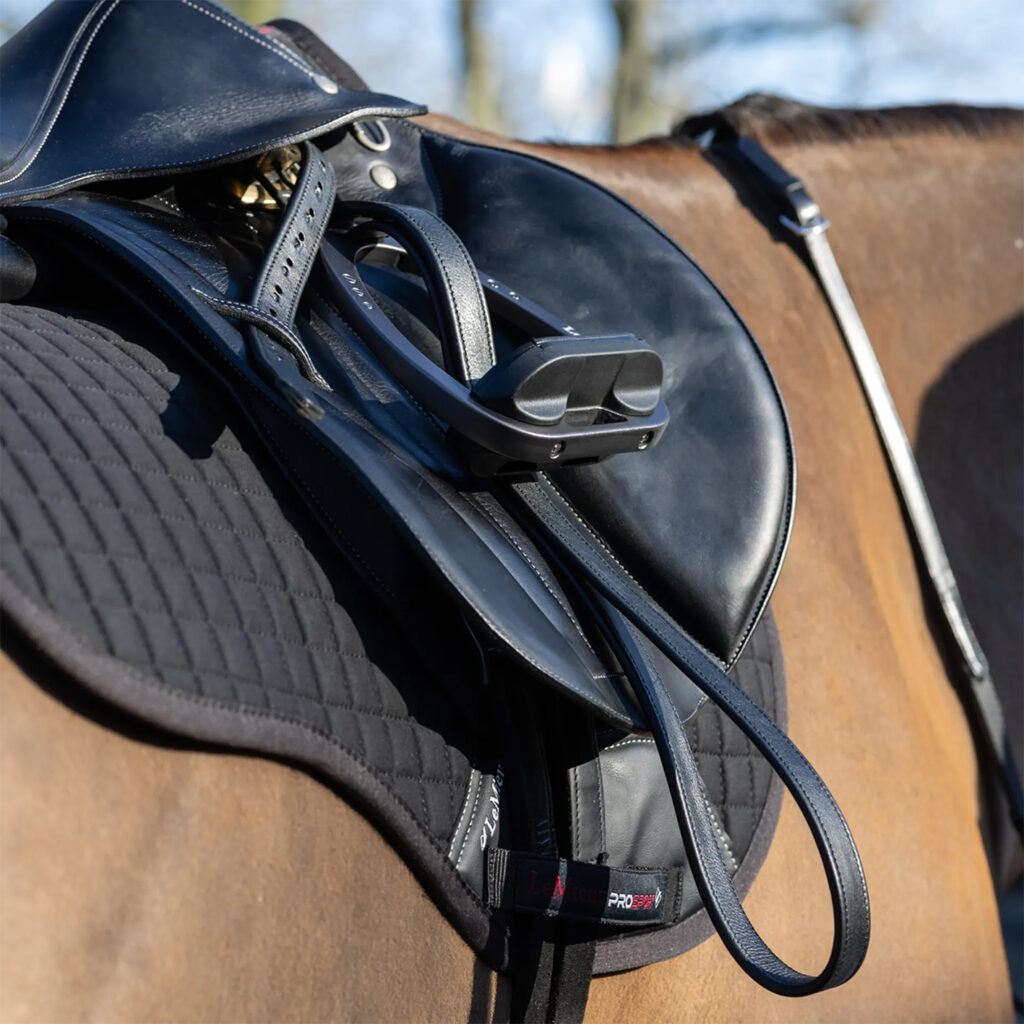
For cross-country, stirrups are often adjusted even shorter than in showjumping. This enables the rider to maintain a strong two-point seat over long gallops and across varied terrain, improving stability and reducing strain on the horse’s back.
Dressage
In dressage, the rider’s leg should hang long and straight against the horse’s side for maximum contact with the aids. Dressage saddles are designed to support this position, allowing a lower leg than general-purpose or jumping saddles. To measure, take your inseam down to the ankle bone and double it—this is usually 6–8 inches longer than the arm-to-fingertips method. Most riders find that around 60-inch leathers work well, with taller riders opting for longer and shorter riders choosing shorter to avoid running out of holes.
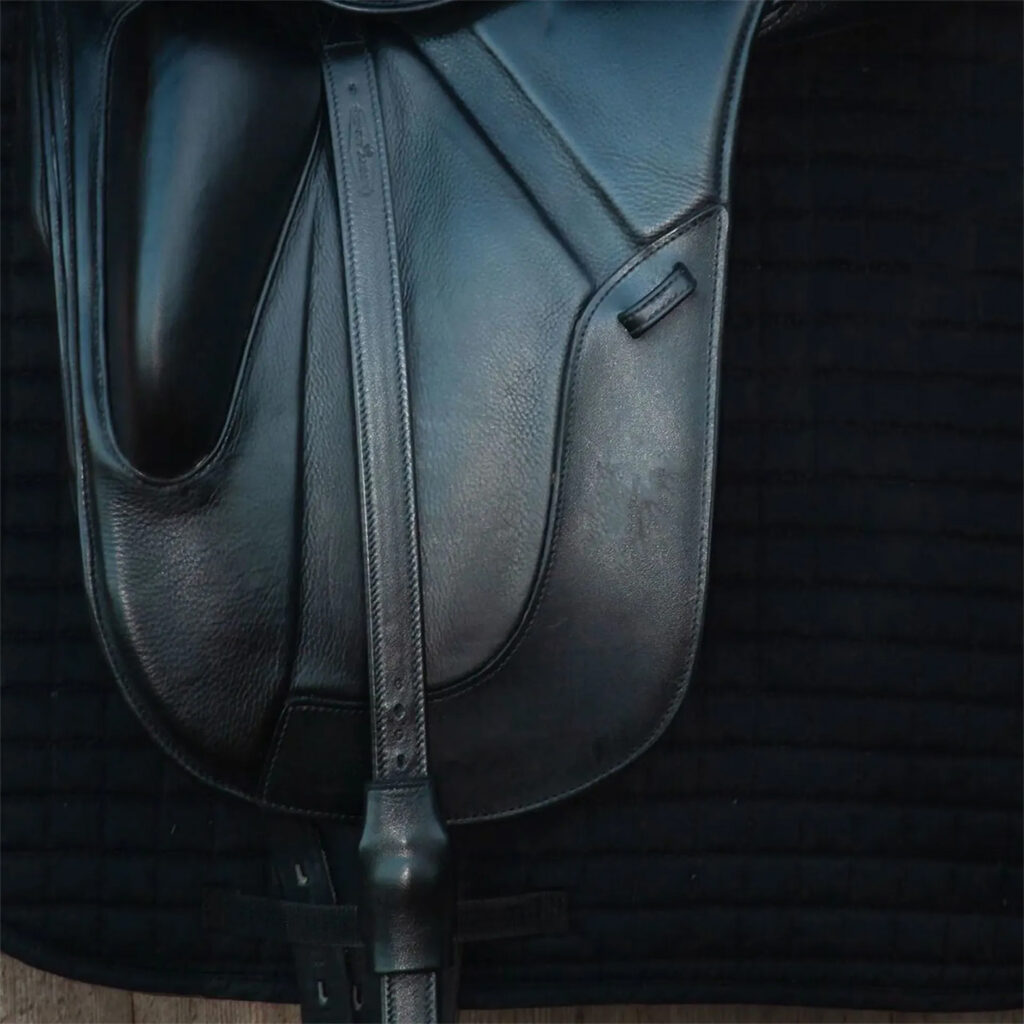
Some dressage leathers are made in a single thickness to reduce bulk under the leg, and these are usually sized at half the length of standard leathers. Remember, these measuring techniques are only a guideline. Your ideal size depends not just on discipline, but also on your build and your horse’s conformation, so always adjust to find what feels comfortable and effective.
Measuring Tip
- Stand with your feet shoulder-width apart.
- Measure from your inseam down your leg to the ankle bone.
- Add 6 inches.
What Size Stirrup Leathers Do I Need?
Stirrup leathers come in a variety of lengths to suit different riders and disciplines. Here’s a quick guide:
| Length | Rider Type |
|---|---|
| 42″ | Young child |
| 48″ | Child |
| 52″ | Smaller adult |
| 54″ | Average adult / GP use |
| 56″ | Tall adult |
| 58–60″ | Dressage riders (longer leg) |
| 62″+ | Tall dressage riders |
General Purpose & Jumping: Slightly shorter leathers give flexibility and stability over fences.
Dressage: Longer lengths encourage a deeper seat and closer contact with your horse.
Cross-Country: Often the shortest setting, helping riders stay secure in a two-point seat.
Types of Stirrup Leathers
When choosing, it’s not just about size—the material makes a difference too:
Wide Stirrup Leathers
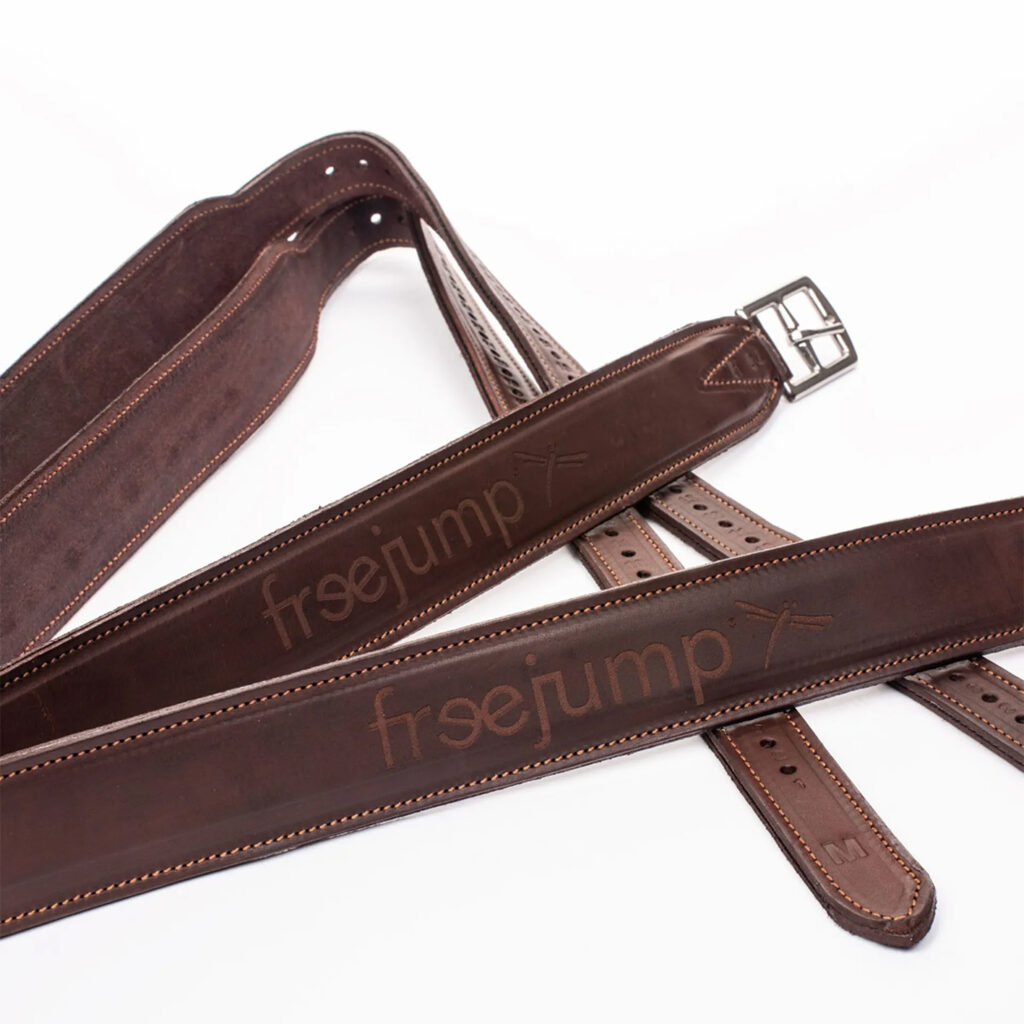
Provide comfort and stability by increasing contact with the leg. They reduce pressure on the ankles, hips, and knees, helping prevent pinching or twisting, and support a secure, balanced position suitable for jumping, endurance, and other disciplines.
Traditional Leather Stirrup Leathers
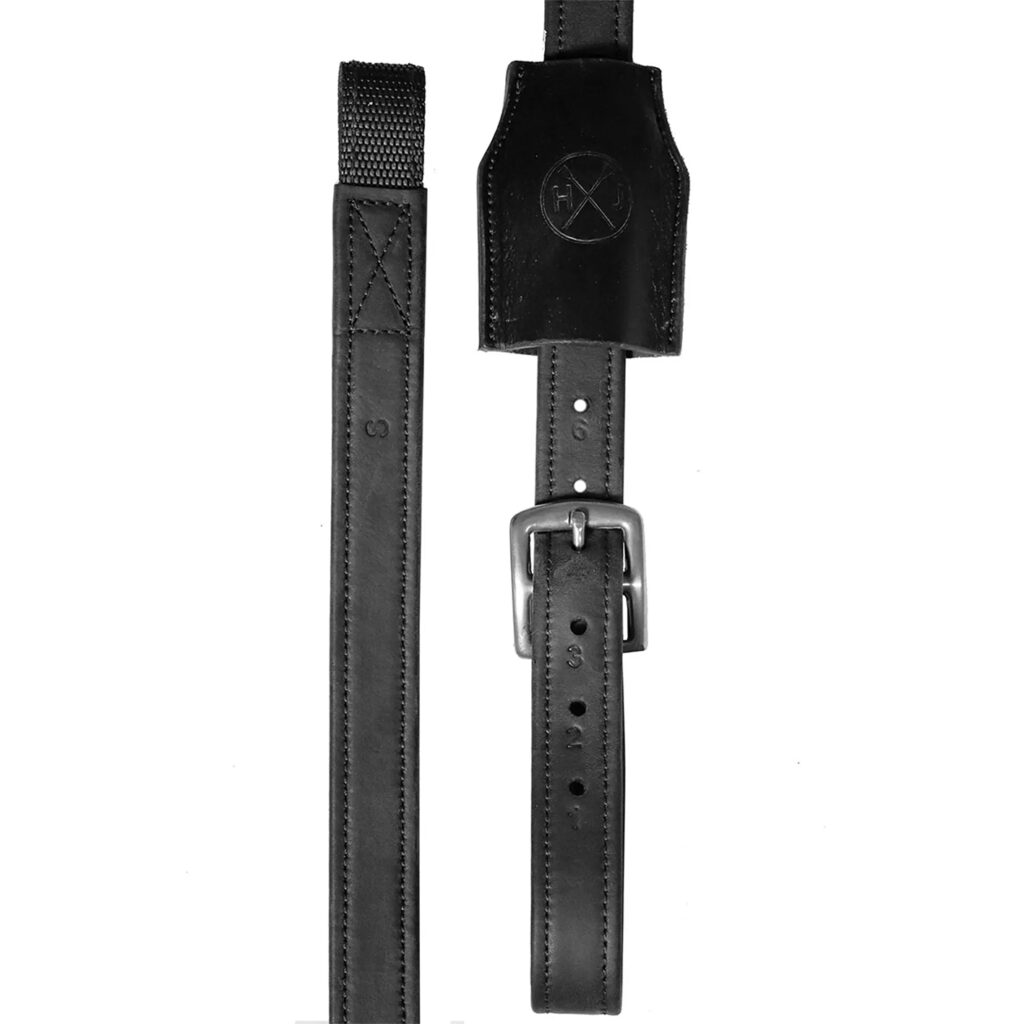
Leather is the classic choice for stirrup leathers—smart, stylish, and easy to match with most saddles. They do need regular care, such as cleaning and conditioning, and will naturally stretch over time. To prevent uneven wear, it’s a good idea to swap the left and right leathers every few months.
Non-Stretch Leathers
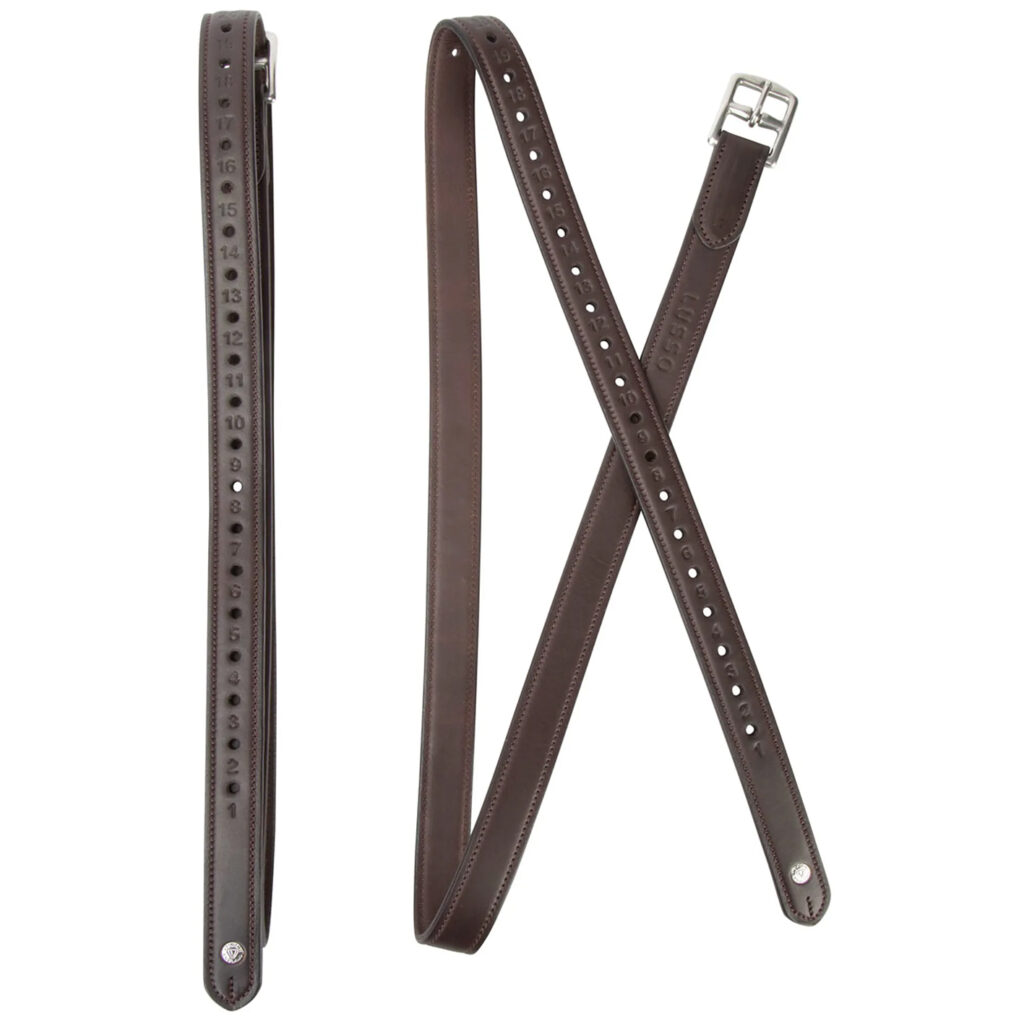
Non-stretch leathers usually have a durable nylon core for extra support, helping them maintain length and last longer. The leather exterior still requires regular cleaning and conditioning.
Synthetic Straps
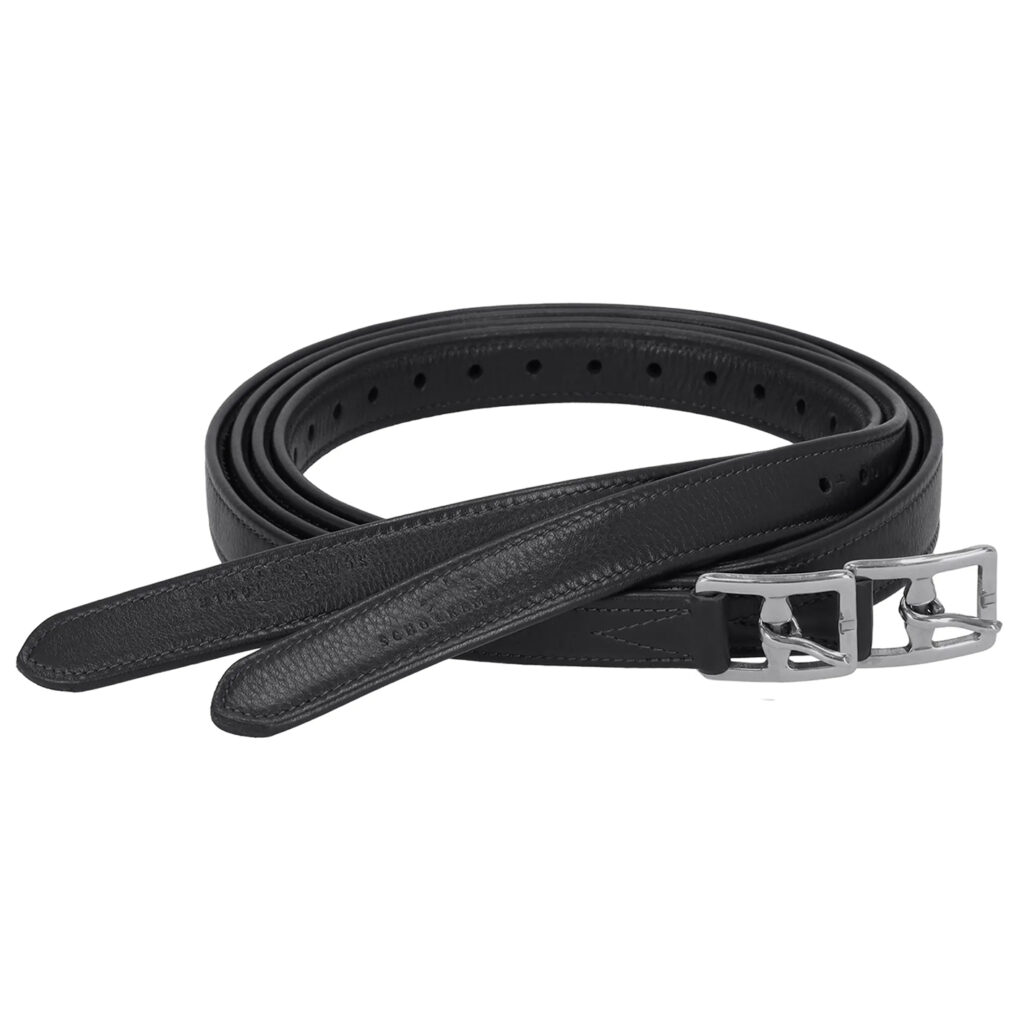
Synthetic stirrup leathers typically have a strong nylon core with a faux leather coating. They resist stretching and mould, need minimal maintenance, and can be wiped clean with warm water. They’re best paired with synthetic saddles to avoid scratching real leather.
Handy Tips
For growing riders, such as those needing children’s stirrup leathers, it may be worth buying a slightly longer pair for longevity.
Always measure in both inches and centimetres to avoid confusion between brands.
Double-check length once mounted—comfort and balance should always come first.
- Choose nylon-cored leathers: These are reinforced to help prevent stretching, ensuring your stirrups stay even and supportive ride after ride.
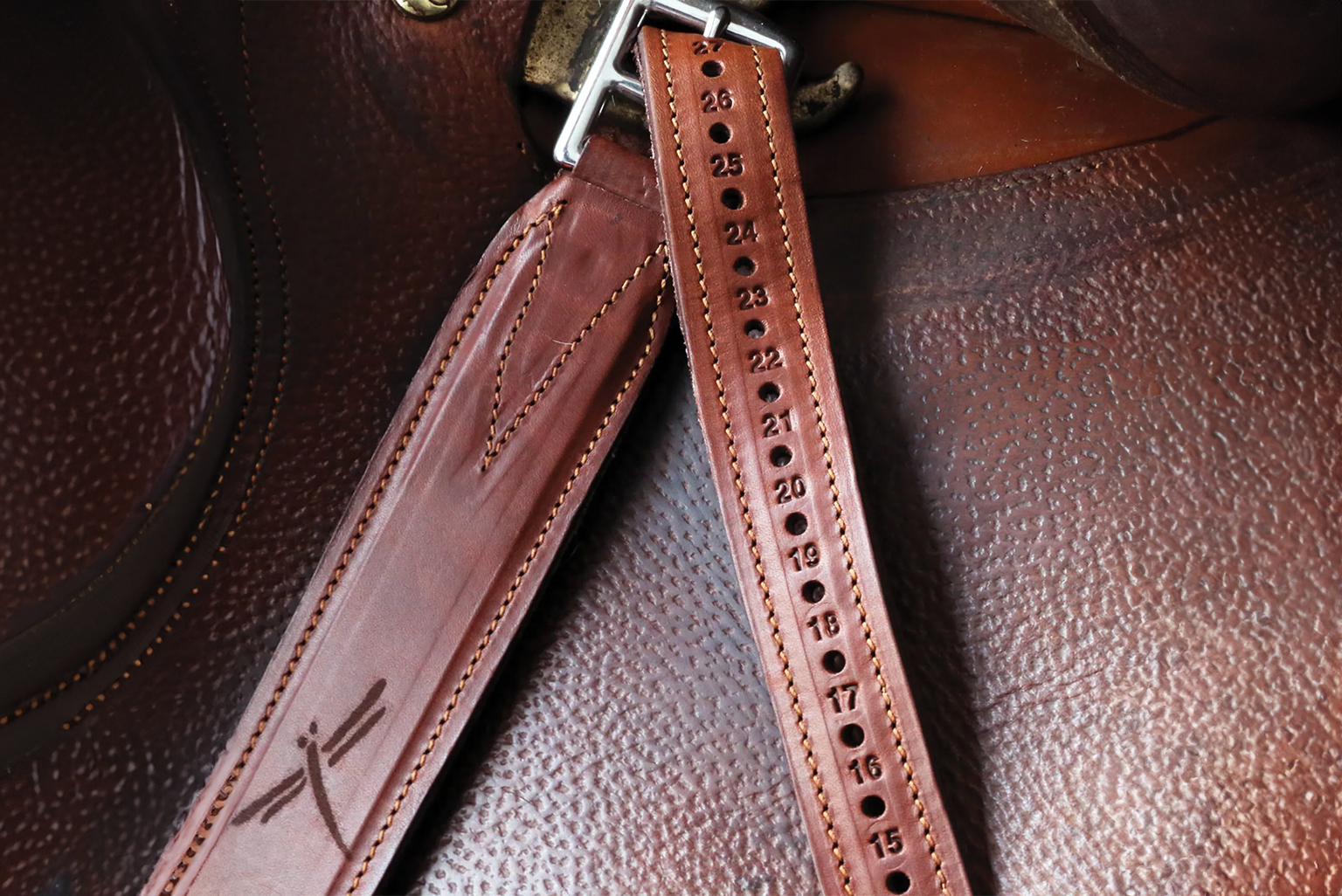
- Opt for numbered holes: Perfect for riders who adjust their stirrups frequently, as the numbers make it quick and easy to return to your preferred length.
- Look for stainless steel fittings: Strong, rust-resistant fittings increase durability and keep your leathers in top condition for longer.
- Rotate your leathers regularly: Because most riders mount from the left, that side can stretch more quickly. Swapping leathers from one side of the saddle to the other helps keep them balanced and extends their life.
- Speciality options: Wide stirrup leathers reduce knee pressure, while children’s stirrup leathers ensure a perfect fit for young riders.
Find Your Perfect Stirrup Leathers at Redpost
Whether you’re buying your first set or updating your current ones, following these tips will guide you to the perfect fit. At Redpost Equestrian, we offer a range of high-quality stirrup leathers to suit all saddles, riding styles, and experience levels.
We hope this guide has helped you feel confident in choosing the right stirrup leathers for your riding needs. If you’d like more advice, our friendly customer service team is always happy to help—just drop us an email at [email protected] or call us on 01803 812040. You can browse and shop all the products mentioned in this guide online using the link below, or pop into our Devon store to see them in person. And don’t forget—we love seeing your riding moments! Share your photos with us by tagging @RedpostEquestrian on Facebook or Instagram.
Keeping your stirrup leather clean and in good condition is essential. Shop all our leather cleaning products to keep your tack in brand new and professional condition for a long-lasting life.
FAQs: How to Measure Stirrup Leathers
Q: How do I measure stirrup leathers at home?
A: An easy way is the armpit method—place the stirrup iron under your arm and extend your fingers to the buckle. For more accuracy, measure from your armpit to fingertips, double it, and add a few inches depending on your discipline.
Q: What size stirrup leathers do I need for jumping?
A: Jumping usually requires slightly shorter stirrup leathers to give you more freedom of movement. Use the armpit-to-fingertips method, then shorten by a hole or two once mounted for the best fit.
Q: What length stirrup leathers are best for dressage?
A: Dressage riders typically need longer leathers to allow a deeper seat and straighter leg. A good rule is to measure your inseam to your ankle bone, double it, and add 6–8 inches.
Q: Do wide stirrup leathers make a difference?
A: Yes! Wide stirrup leathers distribute pressure more evenly, helping reduce knee and hip strain—especially useful for longer sessions in the saddle. Redpost offers a full range of wide leathers for added comfort.
Q: Are children’s stirrup leathers different?
A: Children’s stirrup leathers are shorter and lighter to ensure younger riders sit comfortably and safely. Explore Redpost’s range of children’s stirrup leathers designed for growing riders.
Q: How do I put stirrup leathers on my saddle?
A: Simply thread the leather through the stirrup bar on your saddle, buckle end at the top, then slide on your stirrup iron. Make sure both sides are equal before riding.