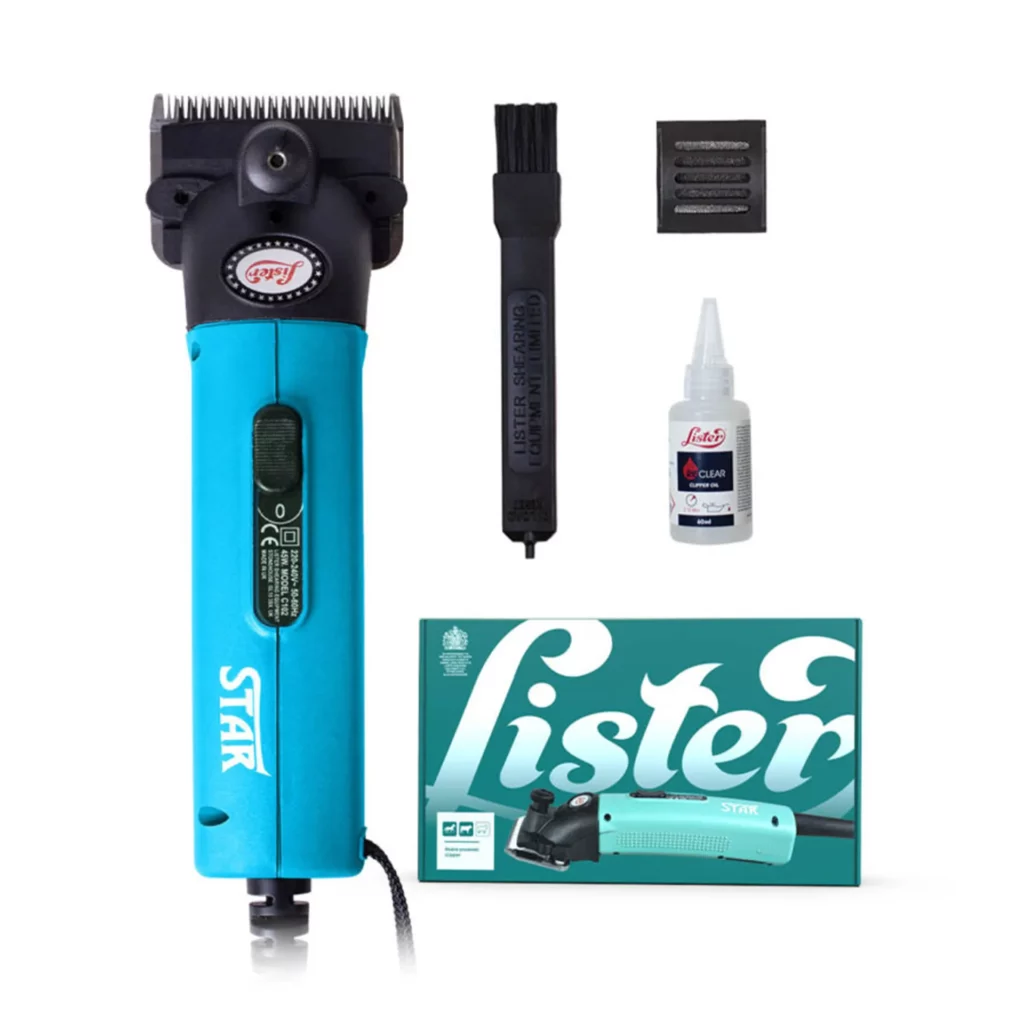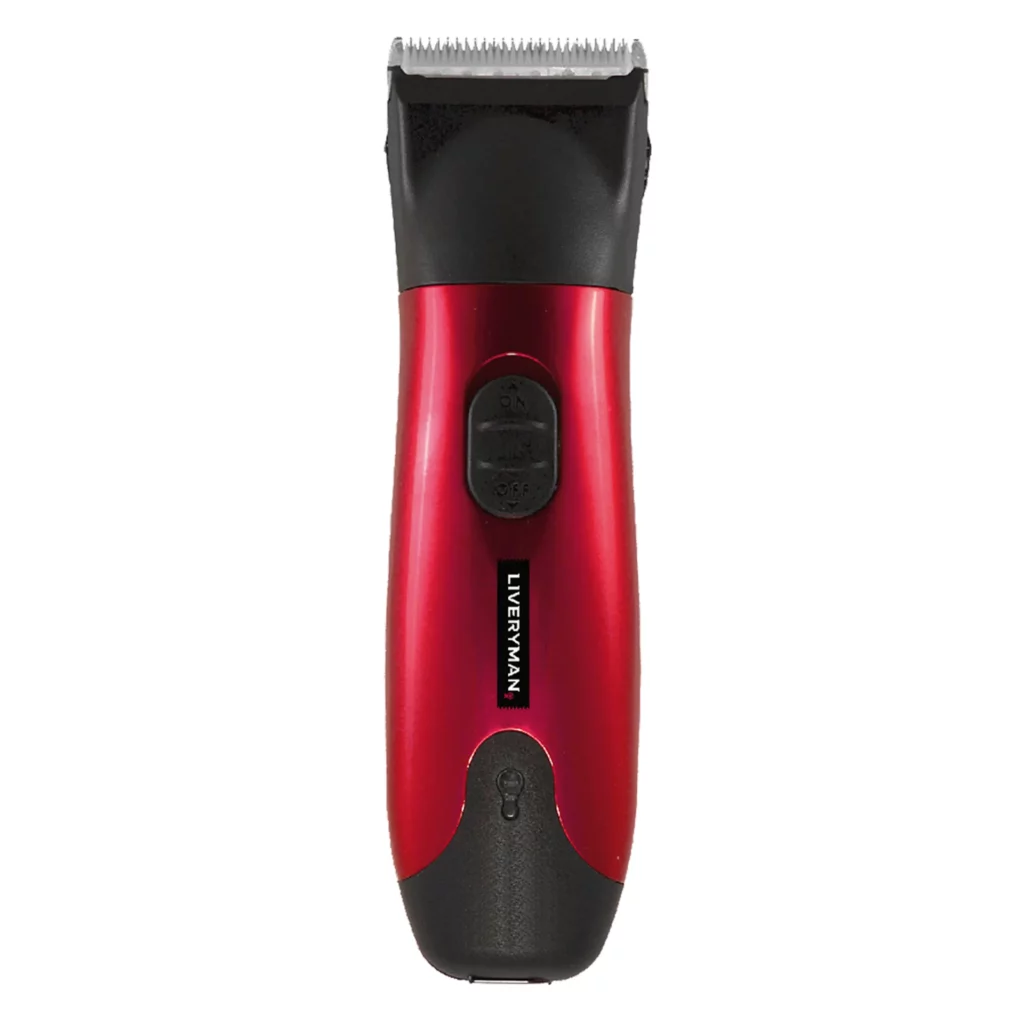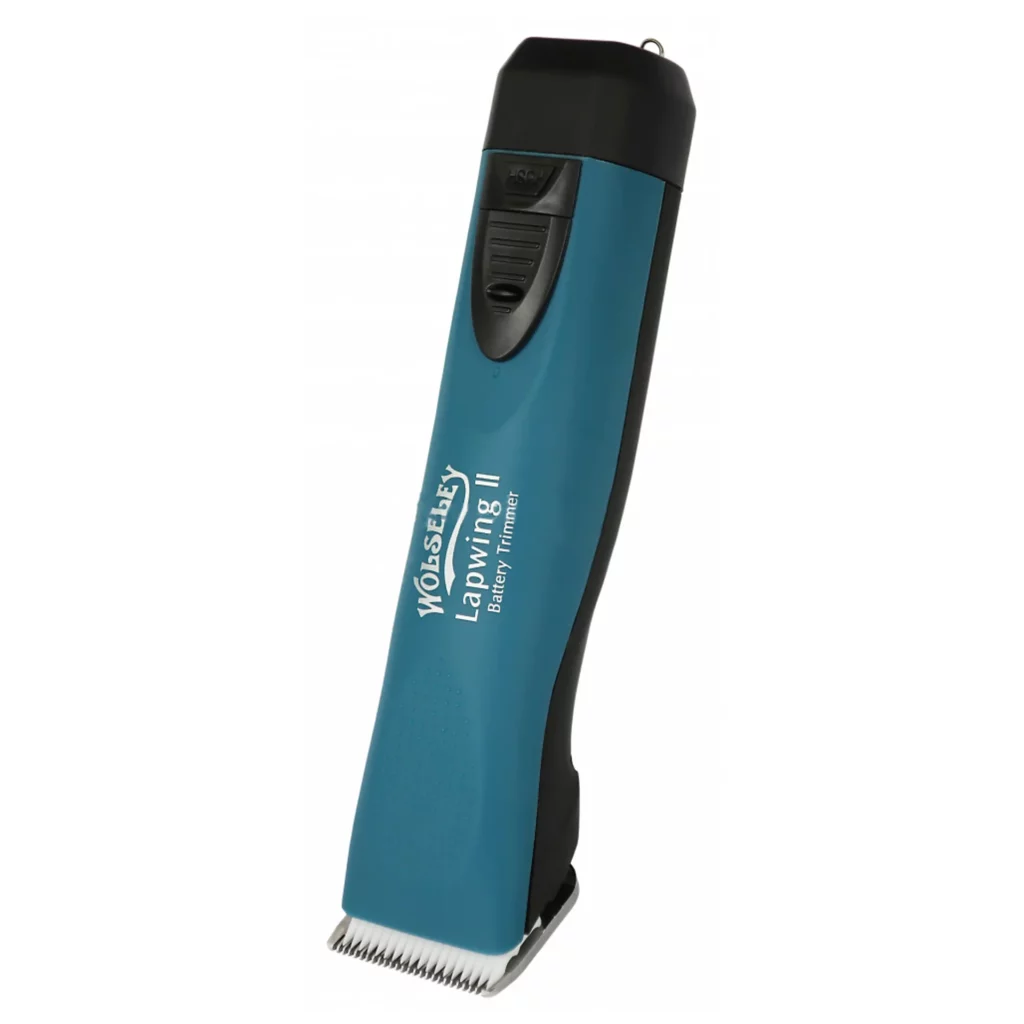

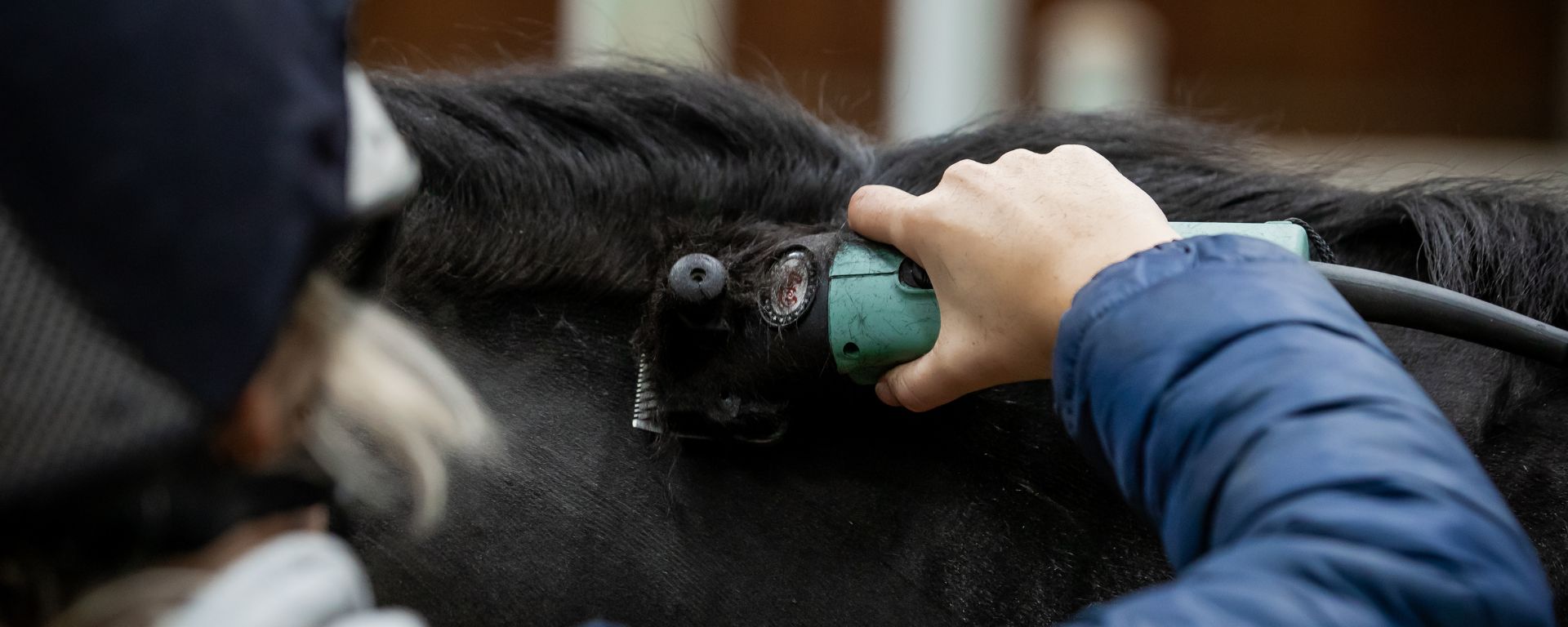
Winter means many things, but one of those is horses starting to grow much thicker and heavier coat. When this happens it might be time to dust of the clippers and decide which is the best clip to suit your horse.
Clipping your horse is a great way to ensure their comfort while in work during winter, removing the additional hair will keep your horse from becoming to hot, profusely sweating while exercising and will decrease the time it takes you horse to dry after being sponged off.
Before selecting which clip is correct for your horse it is worth considering, the amount of work your horse will be doing, if you have appropriate rugs to keep your horse warm, if your horse is a good doer and if you horse will be stabled or turned out. Your countries winter temperature may also be an important fact to consider.
Before you start make sure your clippers are charged and working, your blades are sharp and you have a spare set just in case!
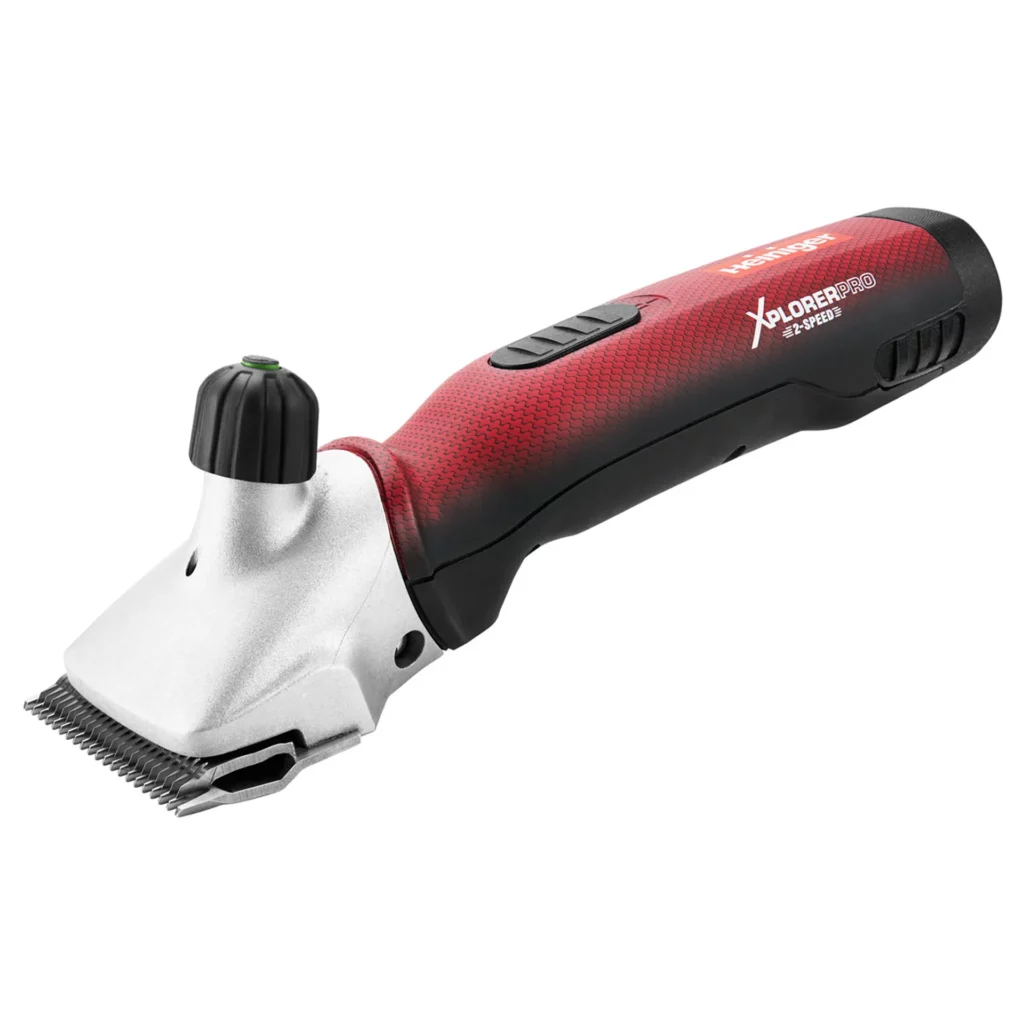
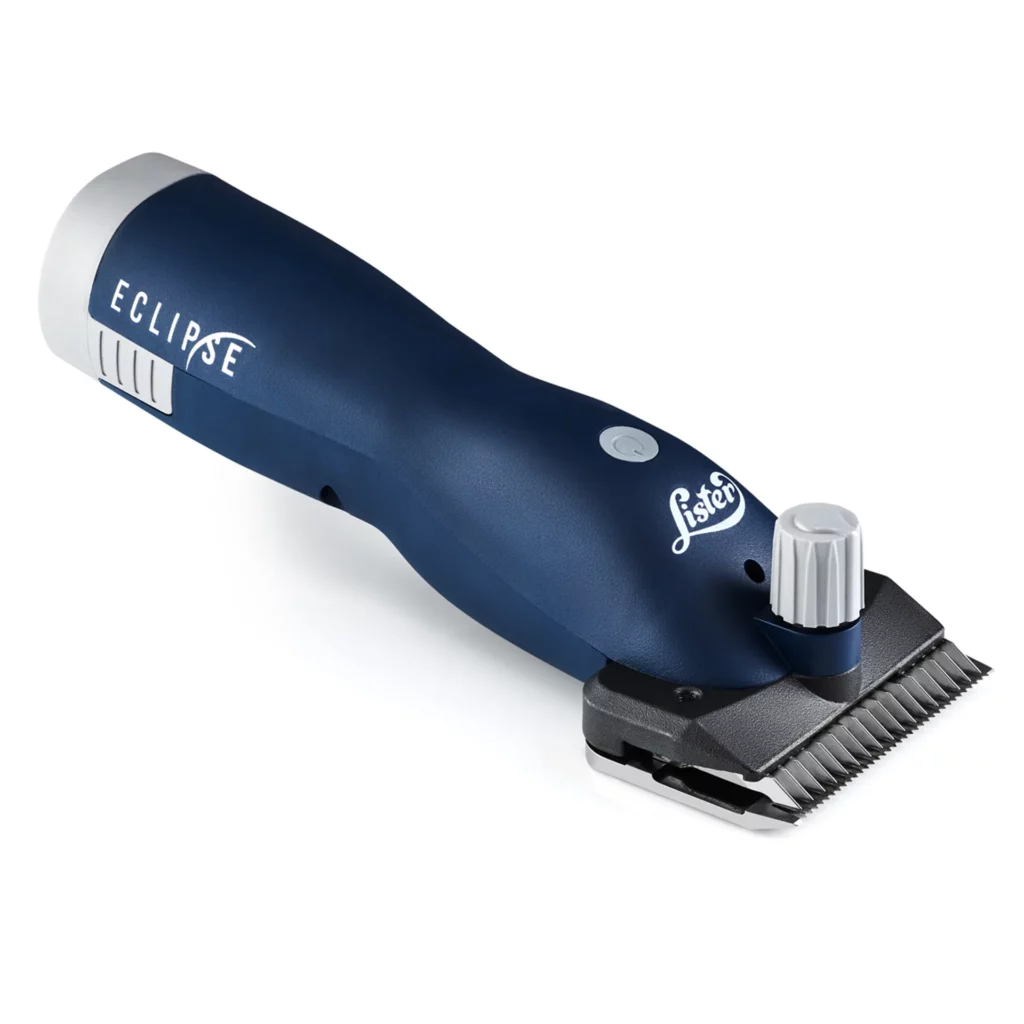
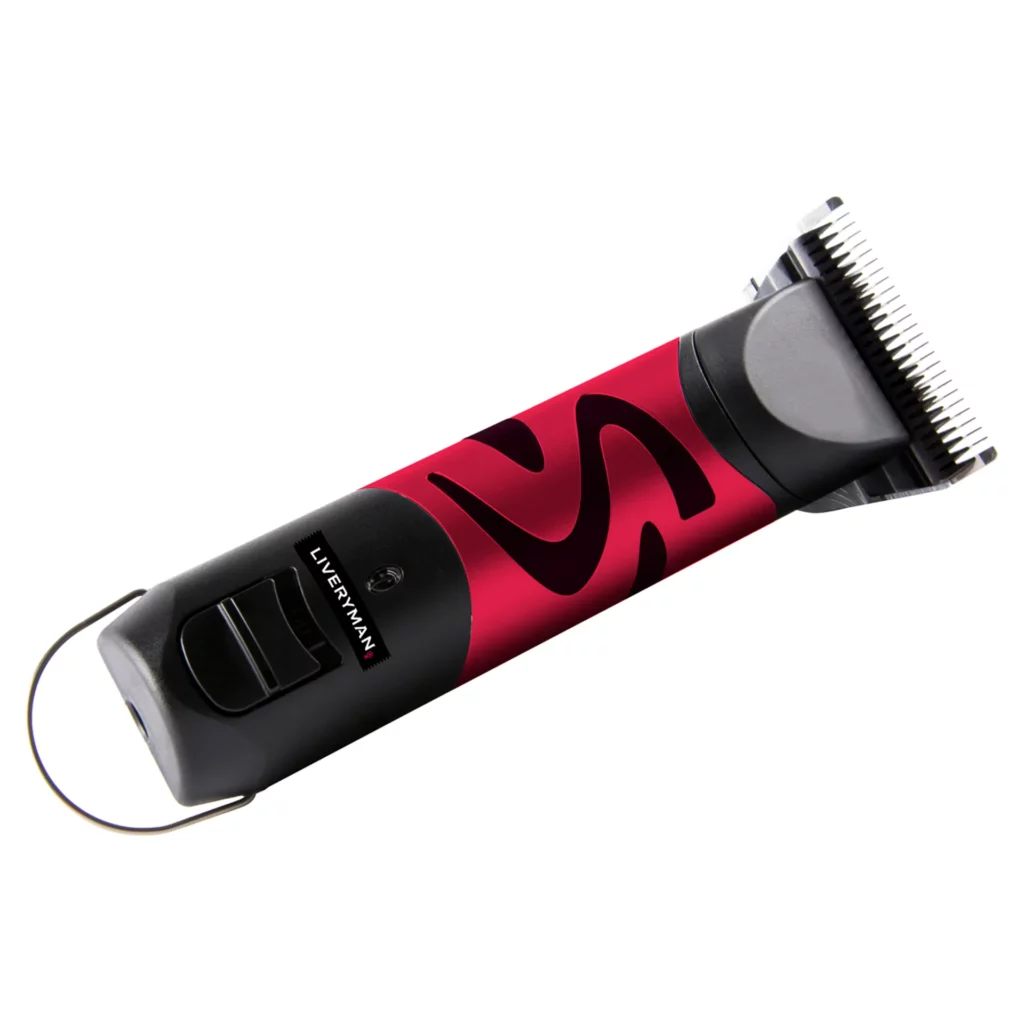
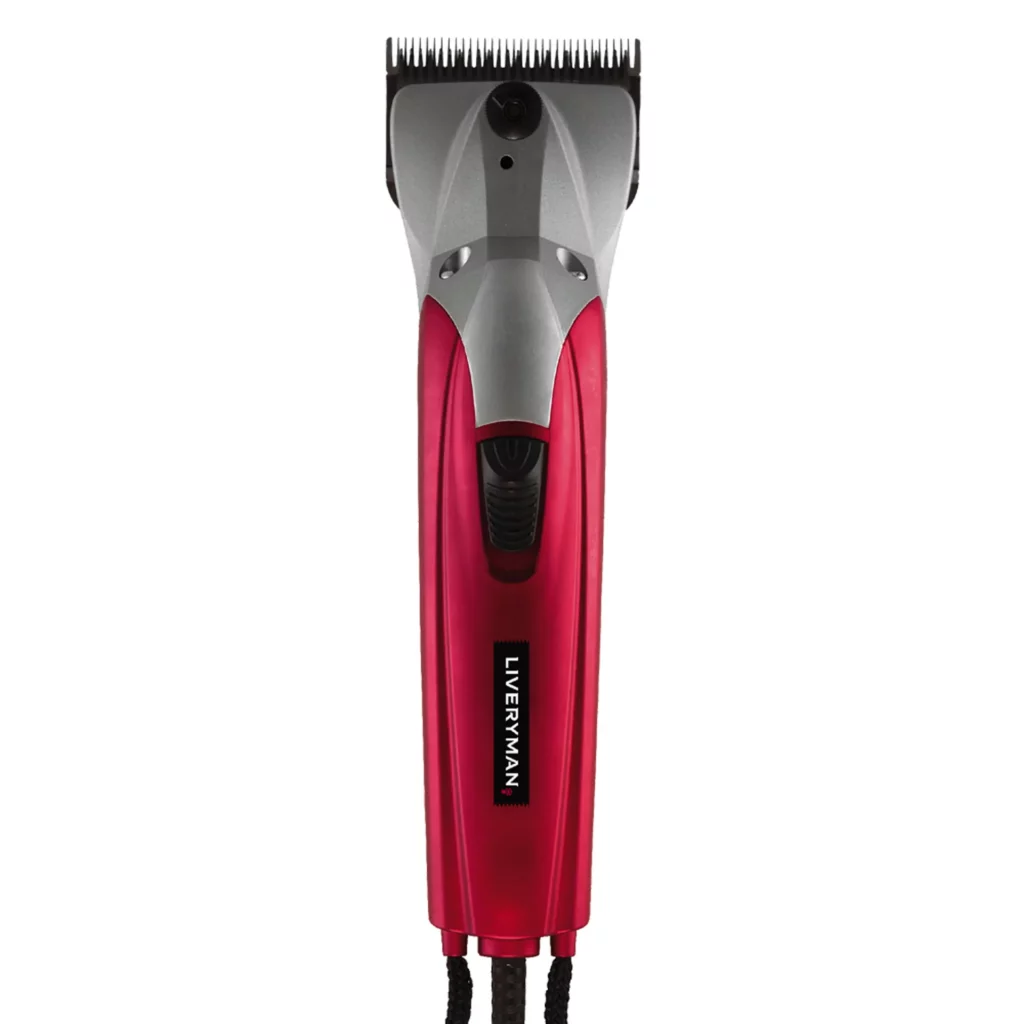
if your clippers are not up for this years challenge, take a look at our range of clippers here.
Types of Horse Clips
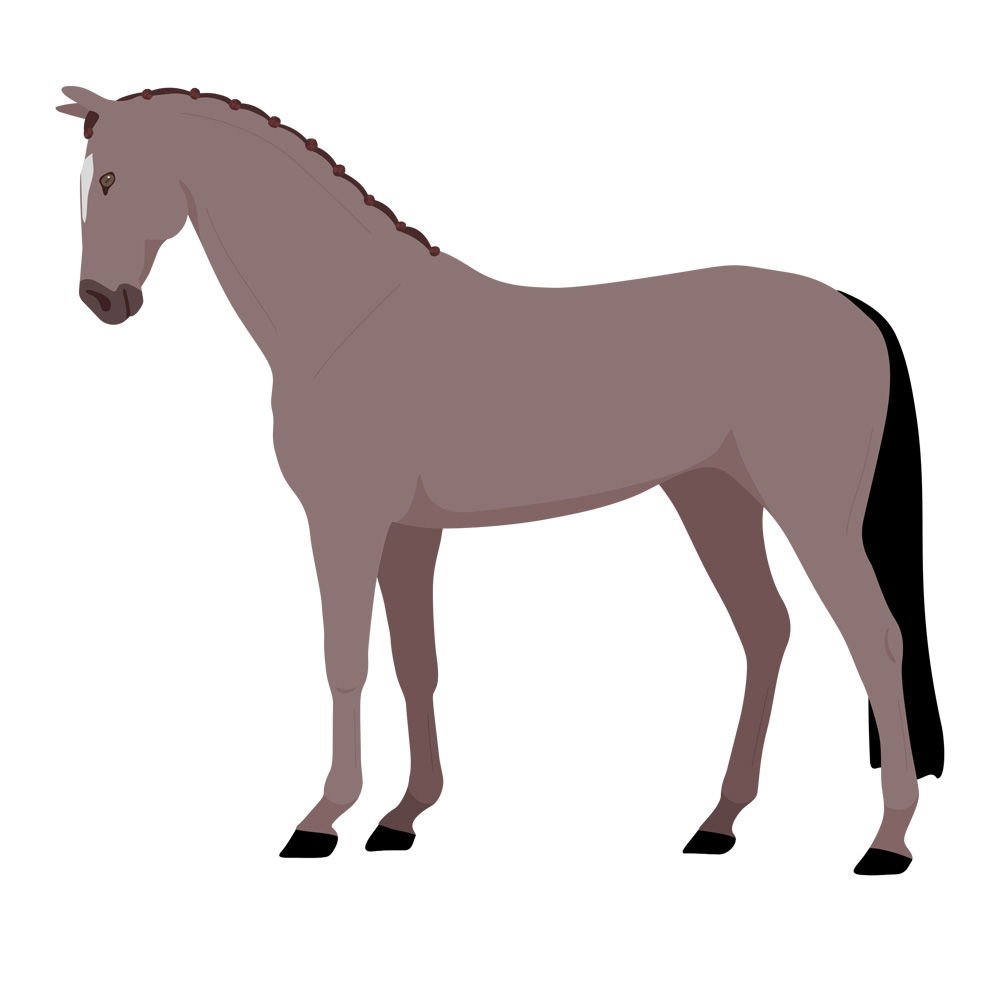
The Full Clip
A full clip involves removing all hair from your horse, including the legs, head, and ears. This helps the horse dry quickly after intense exercise by reducing sweating.
Tip: Rug your horse carefully to prevent it from getting cold, and be vigilant against rain scald and mud fever due to the reduced natural protection of the horse’s coat.
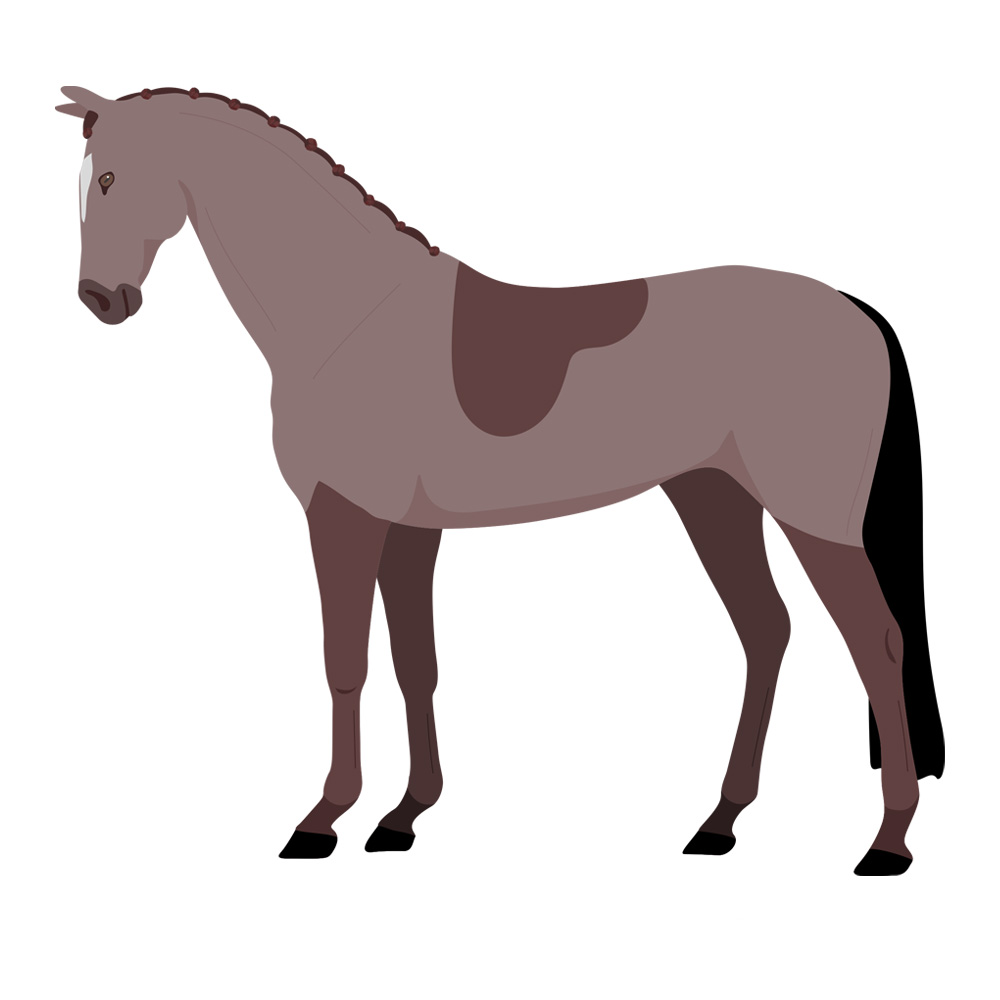
The Hunter Clip
The hunter clip is great for leaving a level of protection in key areas. This clipping method involves removing all hair except for the legs, and a saddle patch. The front legs are finished to a point at the front, while the hinds create V shape at the middle point of the leg.
Tip: You may need to rug the similar to a fully clipped horse, the extra leg hair can help prevent winter related problems.
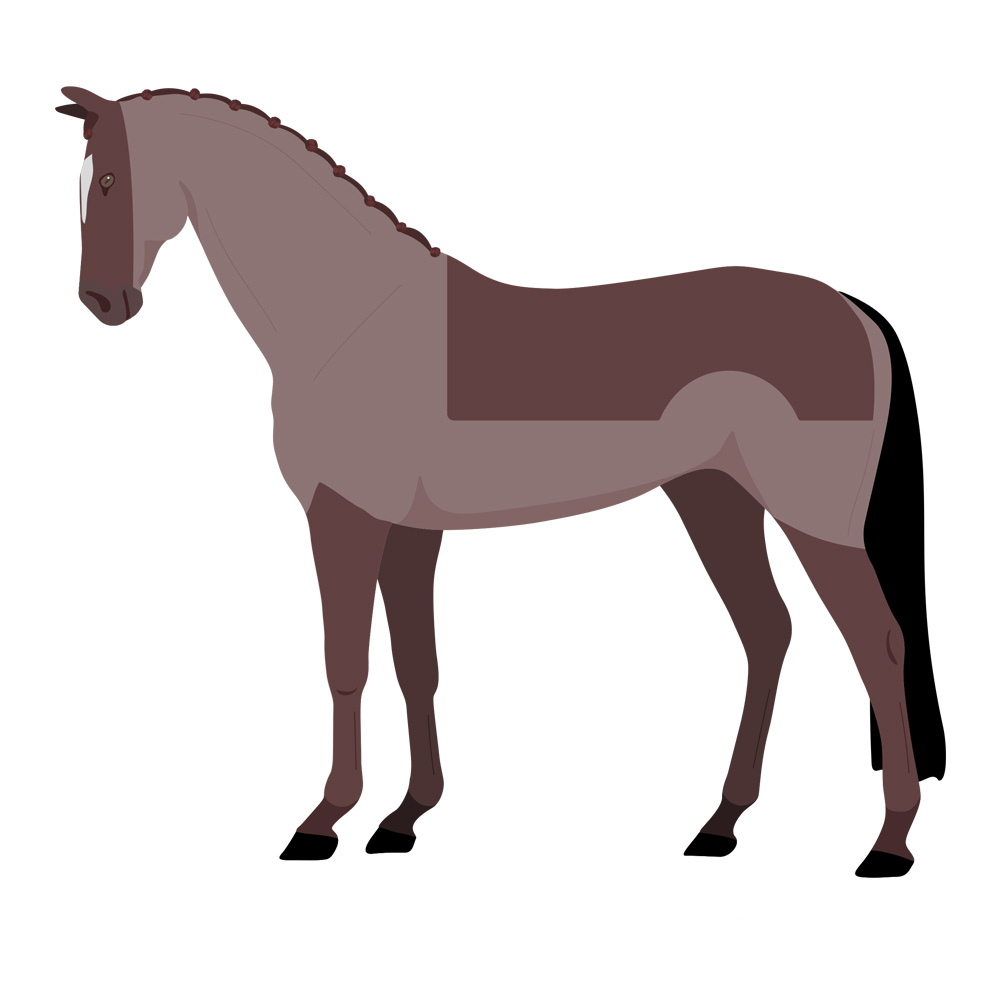
The Blanket Clip
This clip as the name suggests keeps hair where a exercise blanket would sit. The areas clipped are most prone to sweating, leaving areas covered which to provide extra protection while turned out.
Tip: Make sure your horse is stood on level ground when creating your lines.
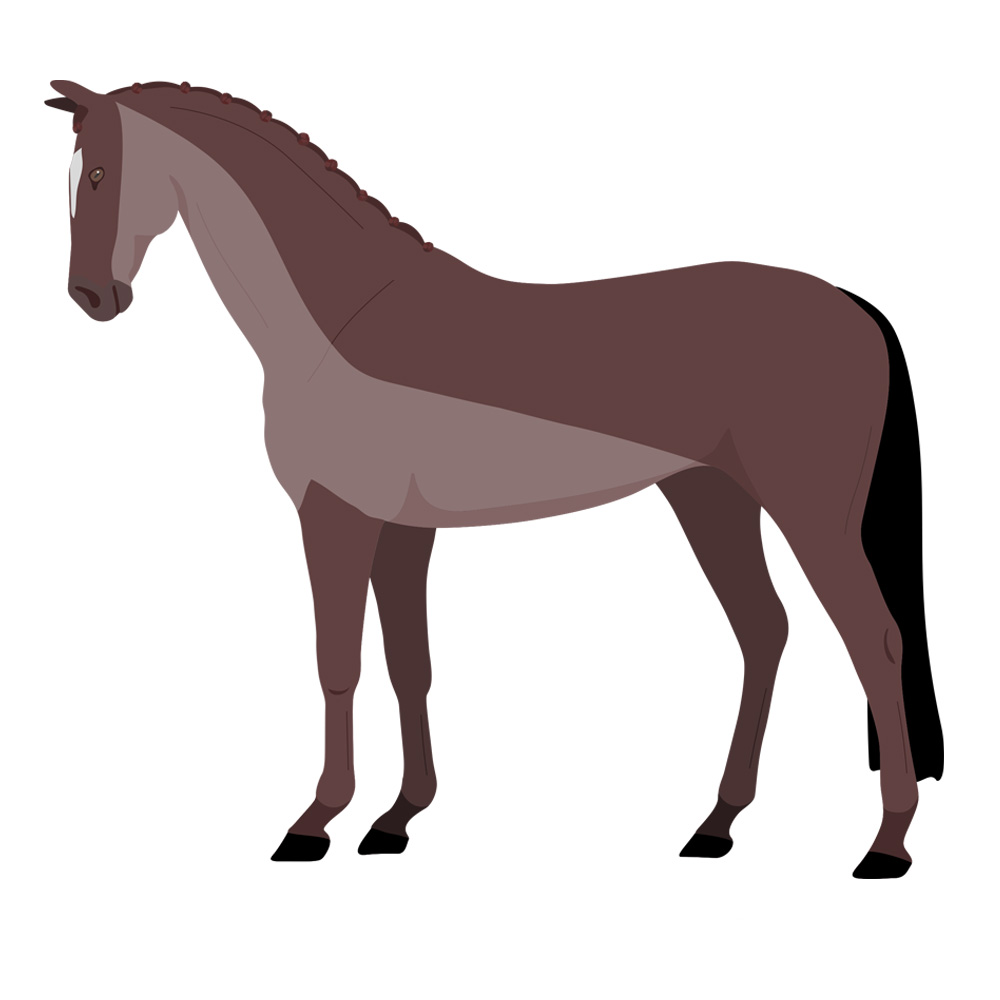
The Irish Clip
Only the key areas of the horse are removed with the Irish clip, the head and be left on or clipped off. This leaves plenty of coat, for horses turned out and in light work.
Tip: This is a nice clip for younger horse, or those new to clipping.
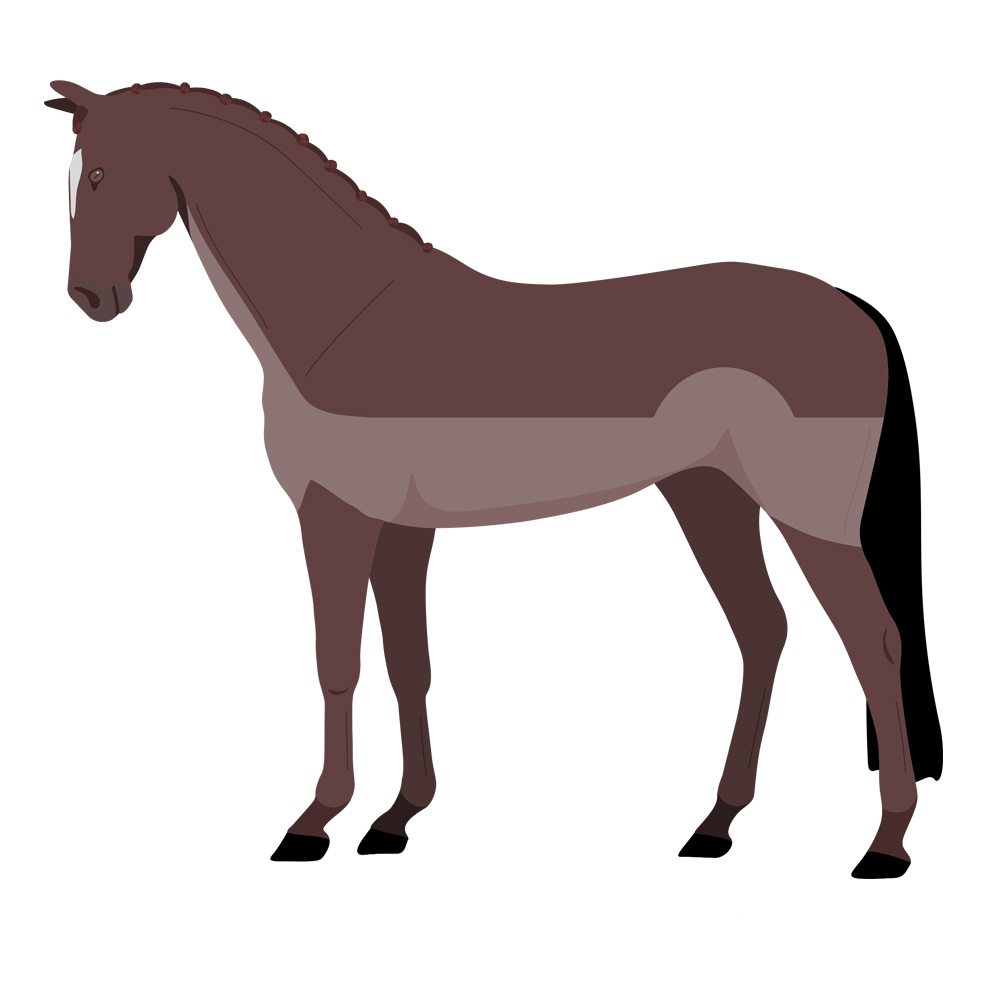
The Trace Clip
The horse’s coat is removed from the underside of the belly and the chest and neck, and hair is left on the legs for protection and also on their head’
Tip: Start at belly of the horse to set you height.
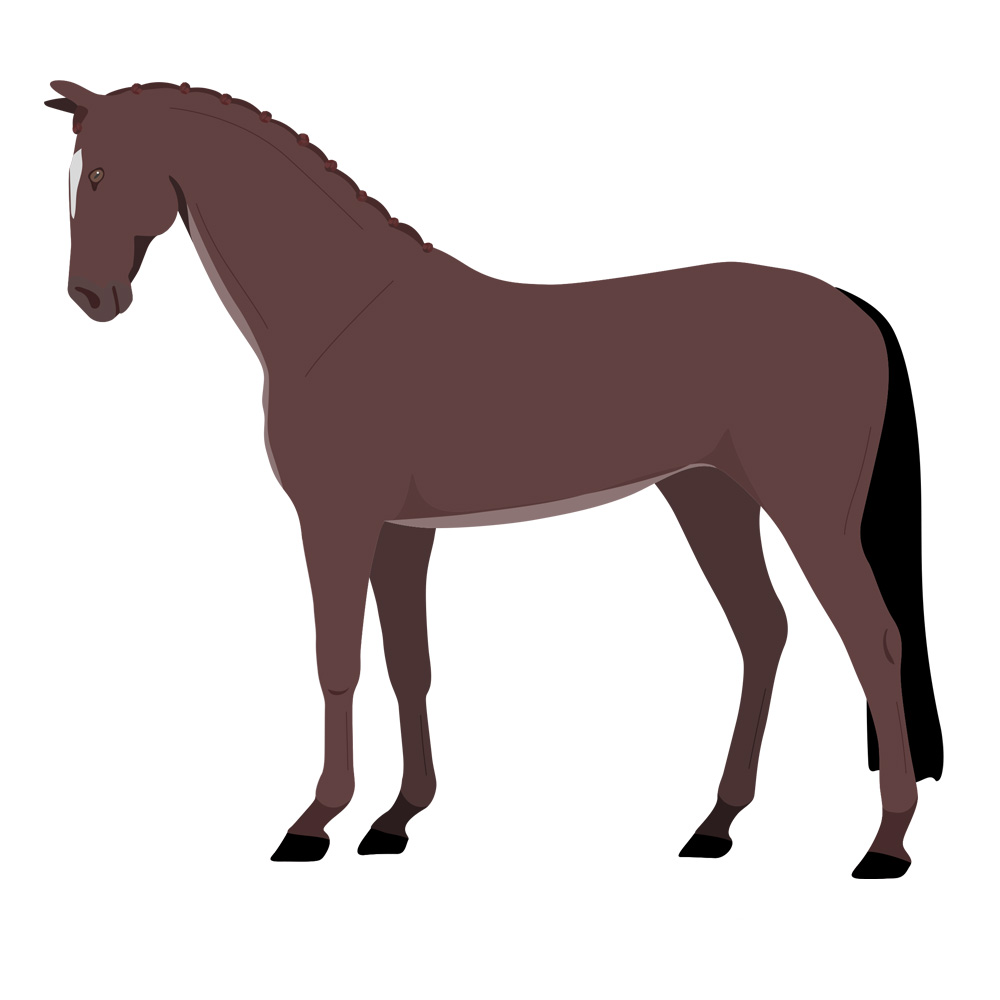
The Bib Clip
This clip removes the hair from the front of the neck and the check, many will continue under the belly to remove the hair where the girth sites.
Tip: This is perfect for horses who live out 24/7 and are in light work.