

As we head into the colder months, a hot topic in tack room conversations is the availability (and rising cost) of forage and horse feed. After a difficult growing season for farmers across the UK, hay and haylage supplies are looking tighter than usual, leaving many horse owners feeling anxious about how to maintain their horses’ health and condition this winter.
Good quality forage and a balanced horse diet are essential to every horse’s health, comfort, and happiness. So it’s understandable that concerns about sourcing enough feed and fibre during the winter are prevalent throughout the equestrian community.
Thankfully, with a bit of forward planning and flexibility, you can support your horse’s condition and equine nutrition right through the cold season.
Jump to
Why Forage Matters So Much
Forage — whether hay, haylage, or grass — forms the foundation of every horse’s diet. It keeps the digestive system moving, helps maintain body temperature in cold weather, and provides natural mental stimulation through chewing.
If horses are not provided with enough access to forage, issues such as colic and stomach ulcers can develop. There is also a higher likelihood of undesirable behaviours, like crib-biting or weaving.
Smart Forage Management
If supplies are short, small changes to how you feed horses and store forage can make what you have last longer:
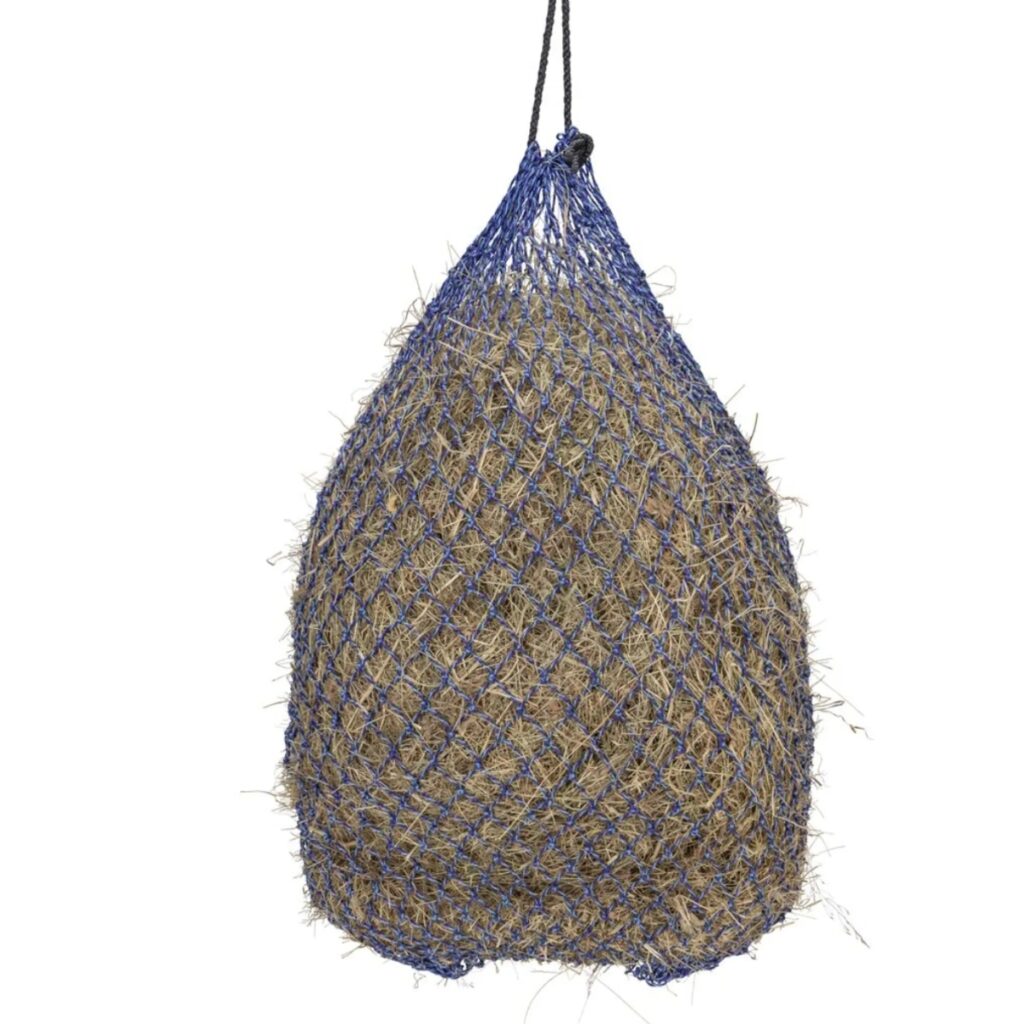
- Small-holed haynets or double-netting to slow down consumption and reduce waste
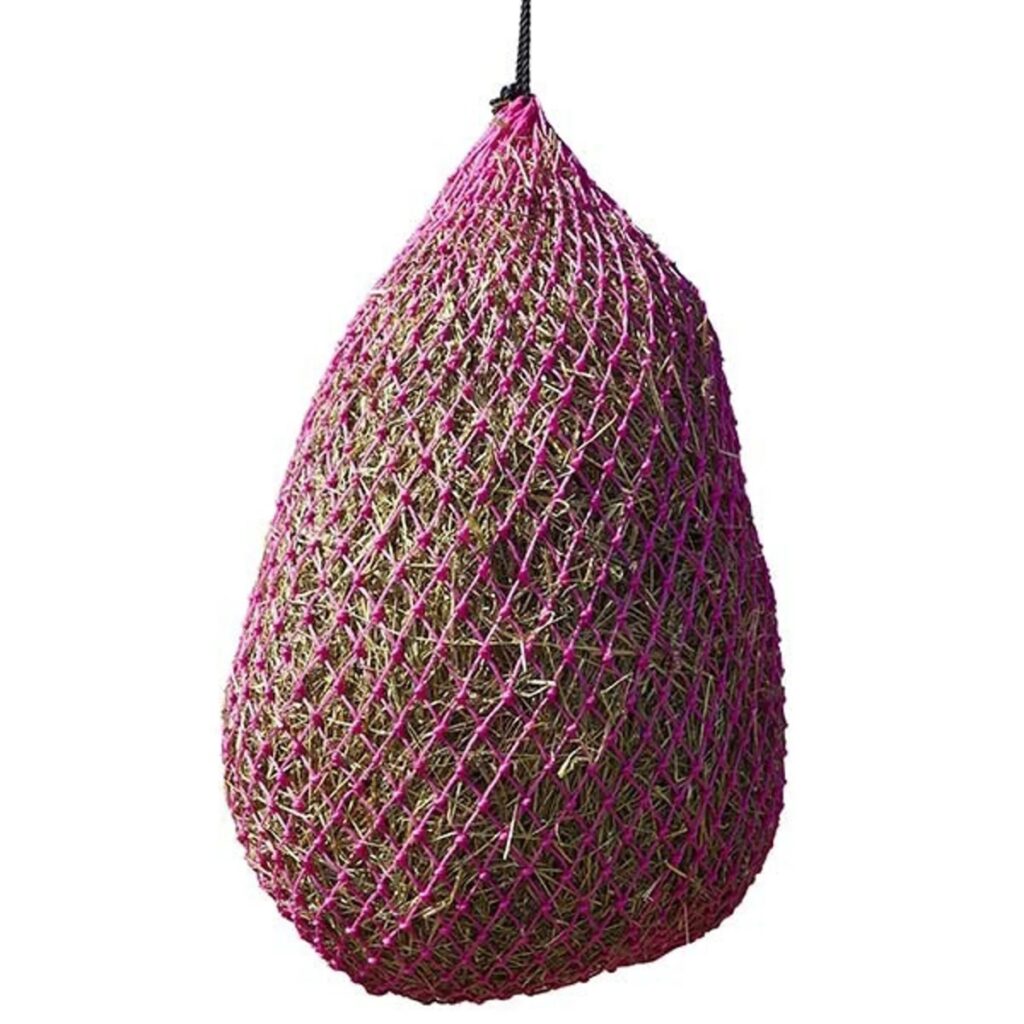
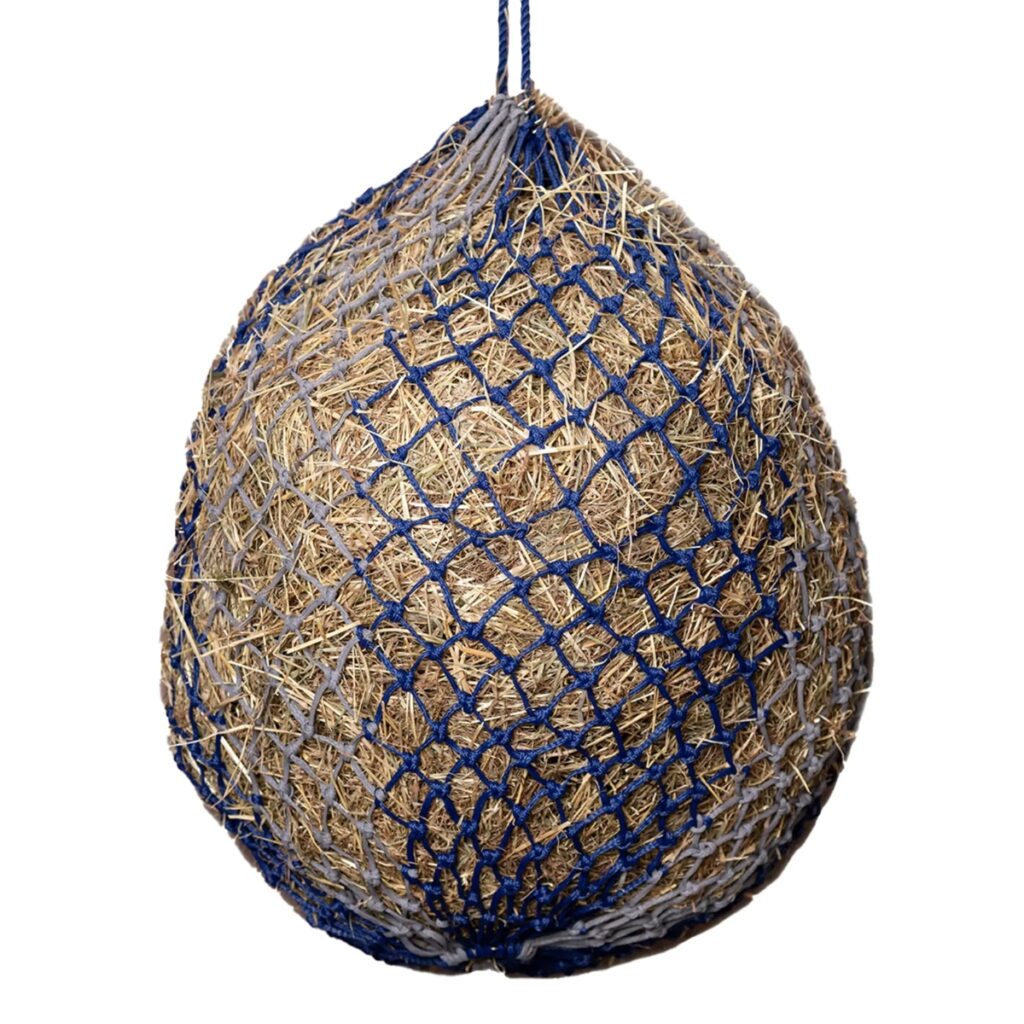
- Minimise wastage by using hay feeders
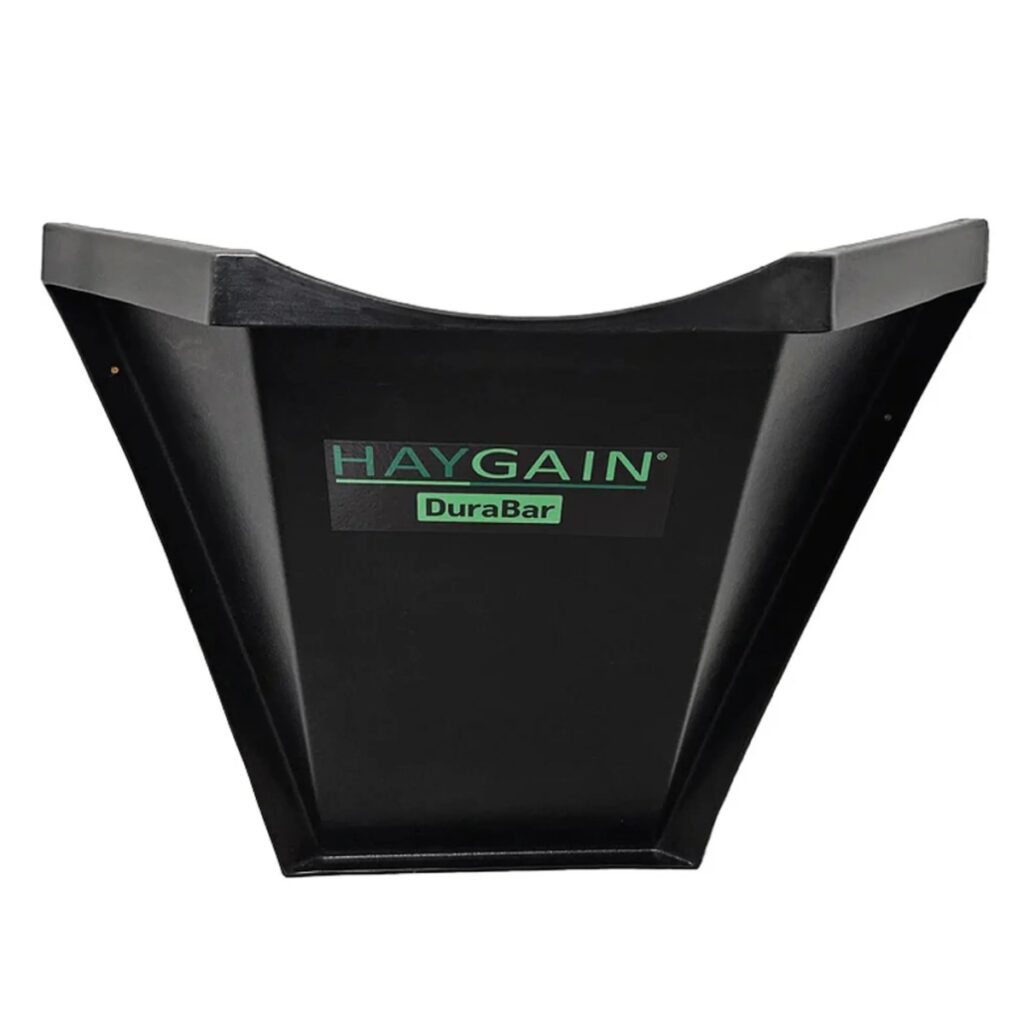
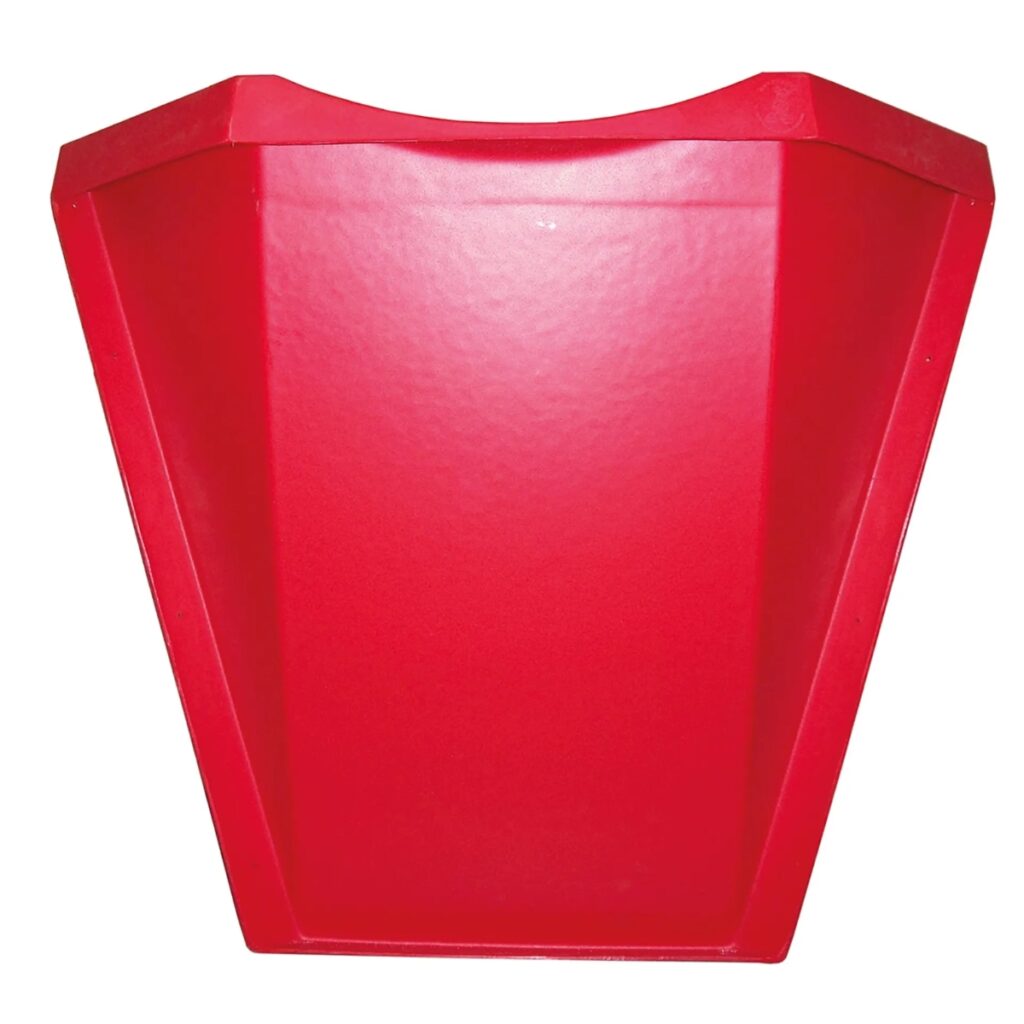
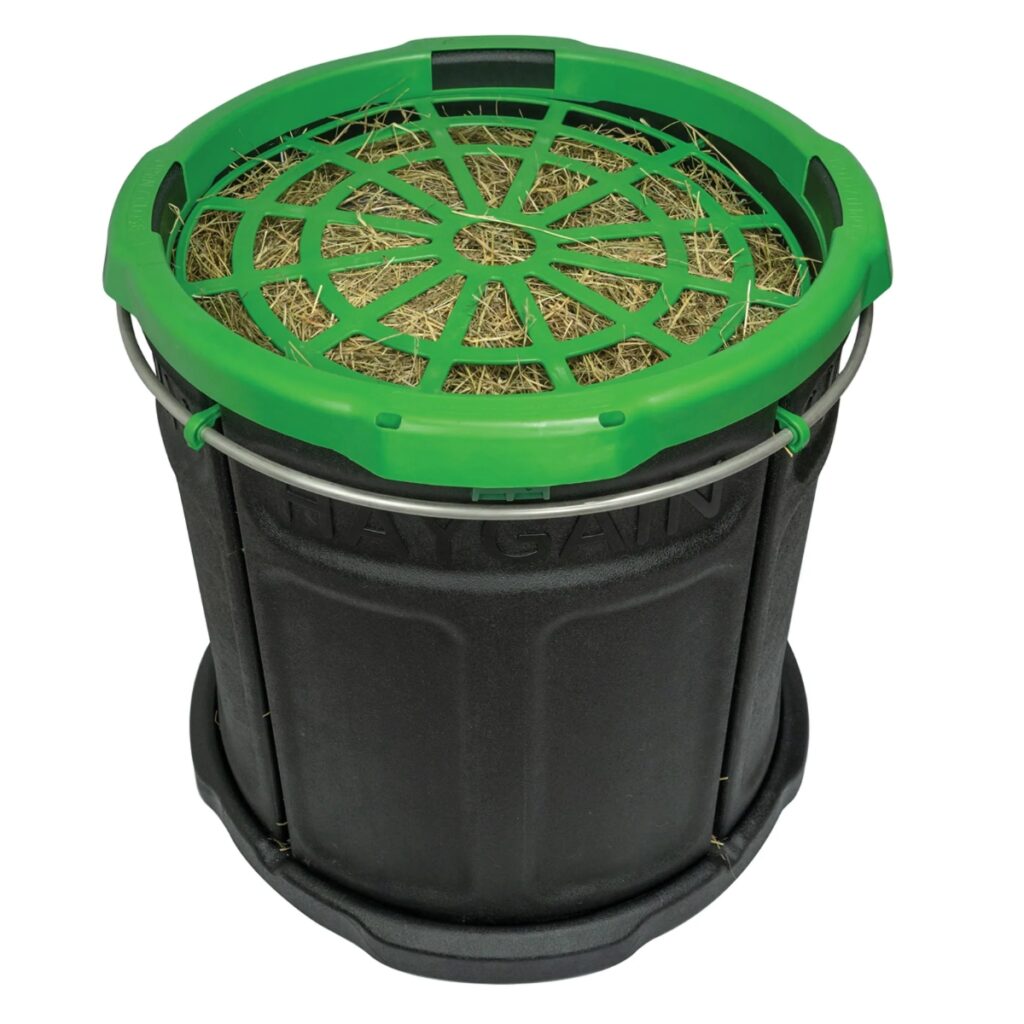
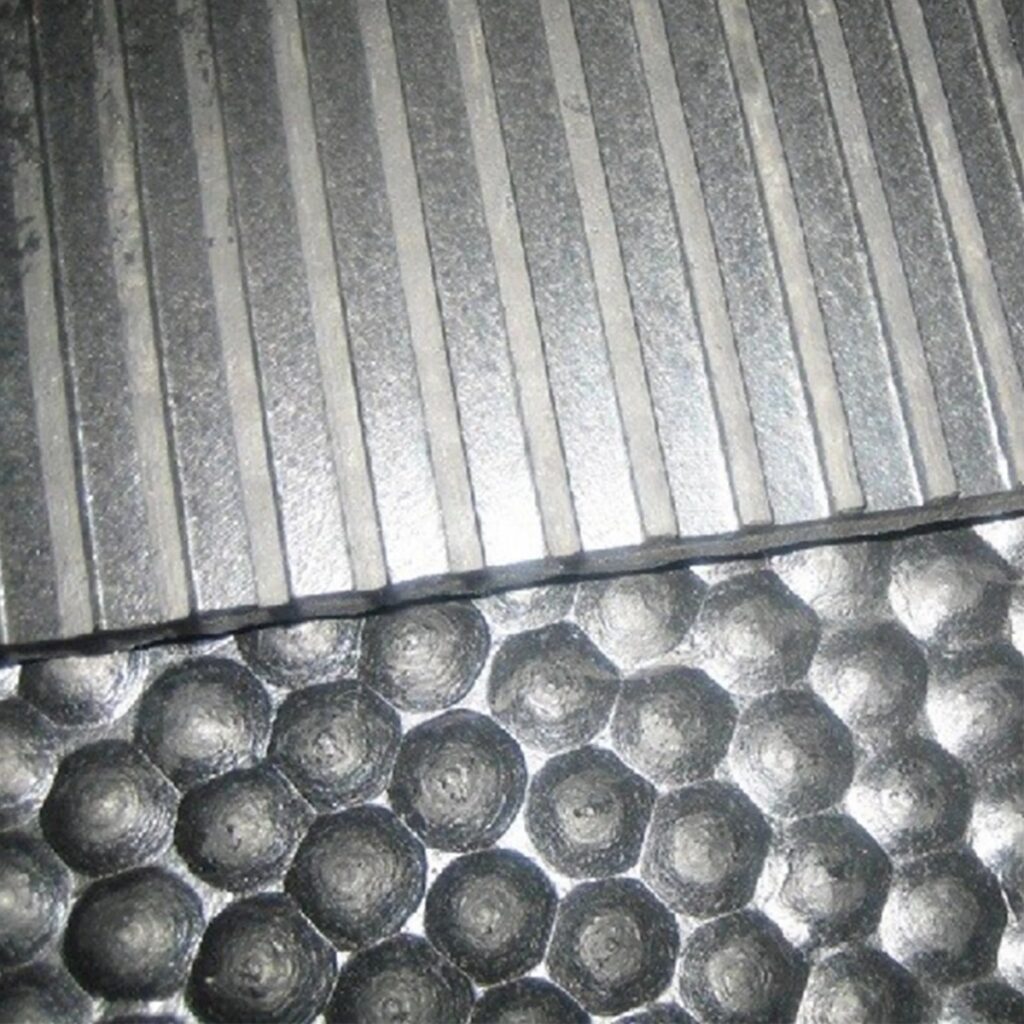
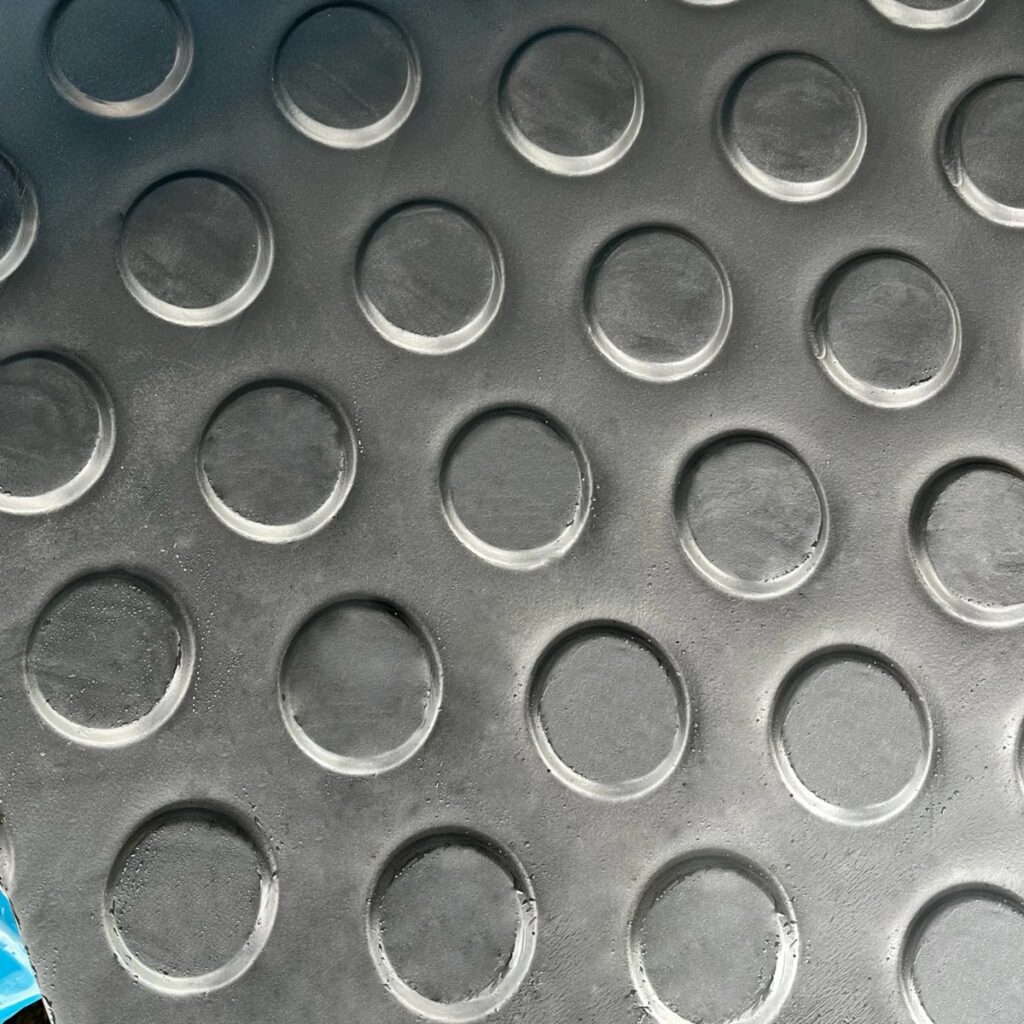
- Consider using rubber matting in feeding areas to stop hay from being trampled into bedding.

- Store bales properly to prevent spoilage: keep them dry, off the ground, and well ventilated.
Thinking Beyond Traditional Forage
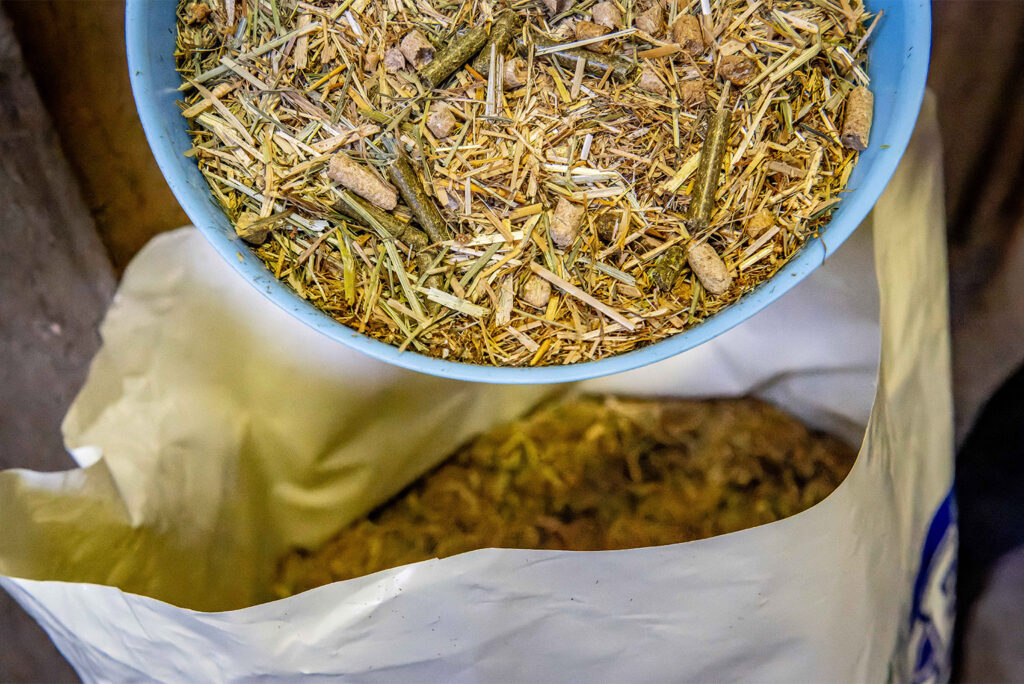
If your forage supply won’t stretch throughout winter, high-fibre feeds for horses such as chopped fibres, soaked products, or pelleted fibre sources can safely supplement or partially replace hay and haylage. These options help maintain gut health, encourage chewing, and support equine nutrition when forage is limited.
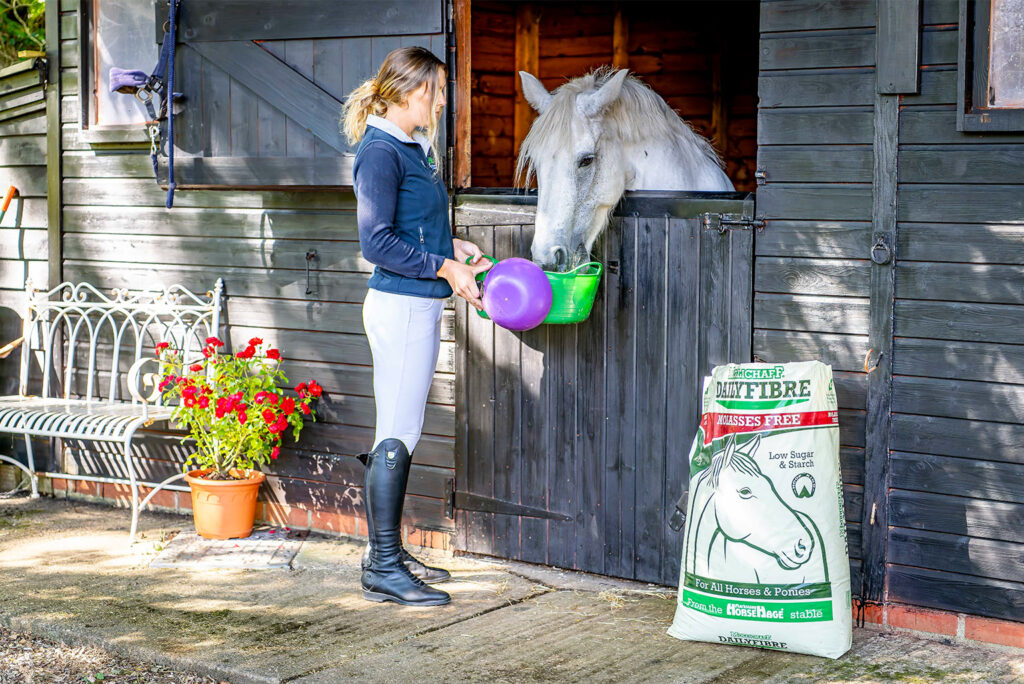
We have pulled together this handy guide in collaboration to help you find the best products to supplement your horse or pony’s forage intake.
Always read product information carefully, including preparation or feeding instructions, to ensure you’re choosing the most suitable equine feed for your horse’s needs.
Forage Replacement Options at Redpost By Brand
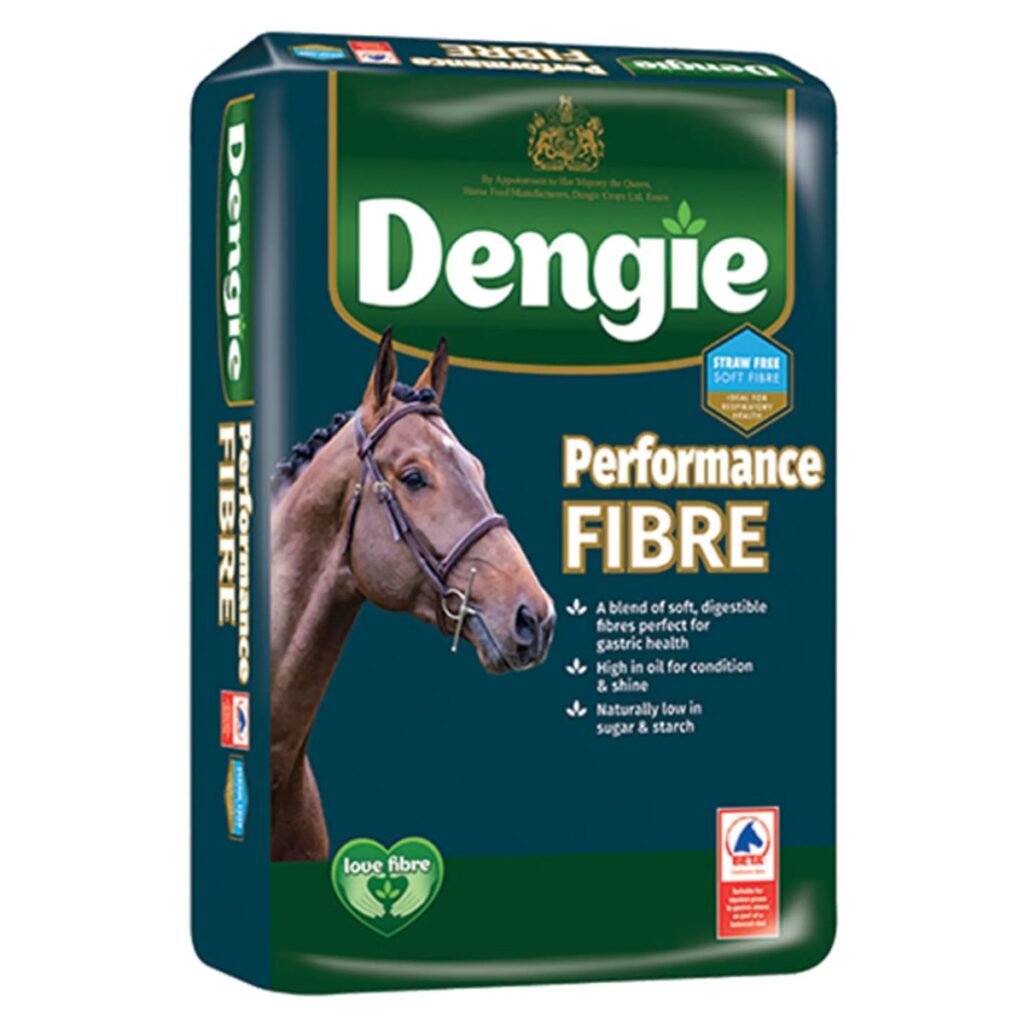
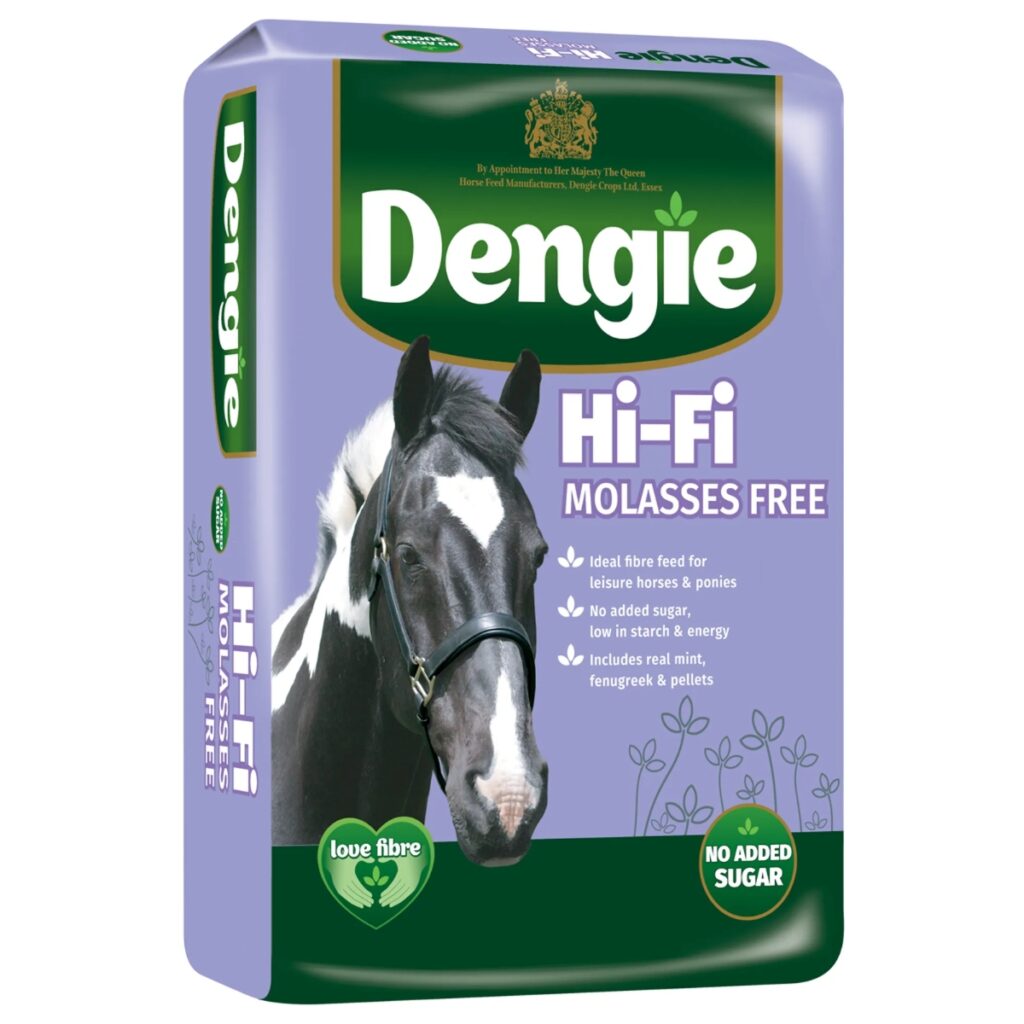
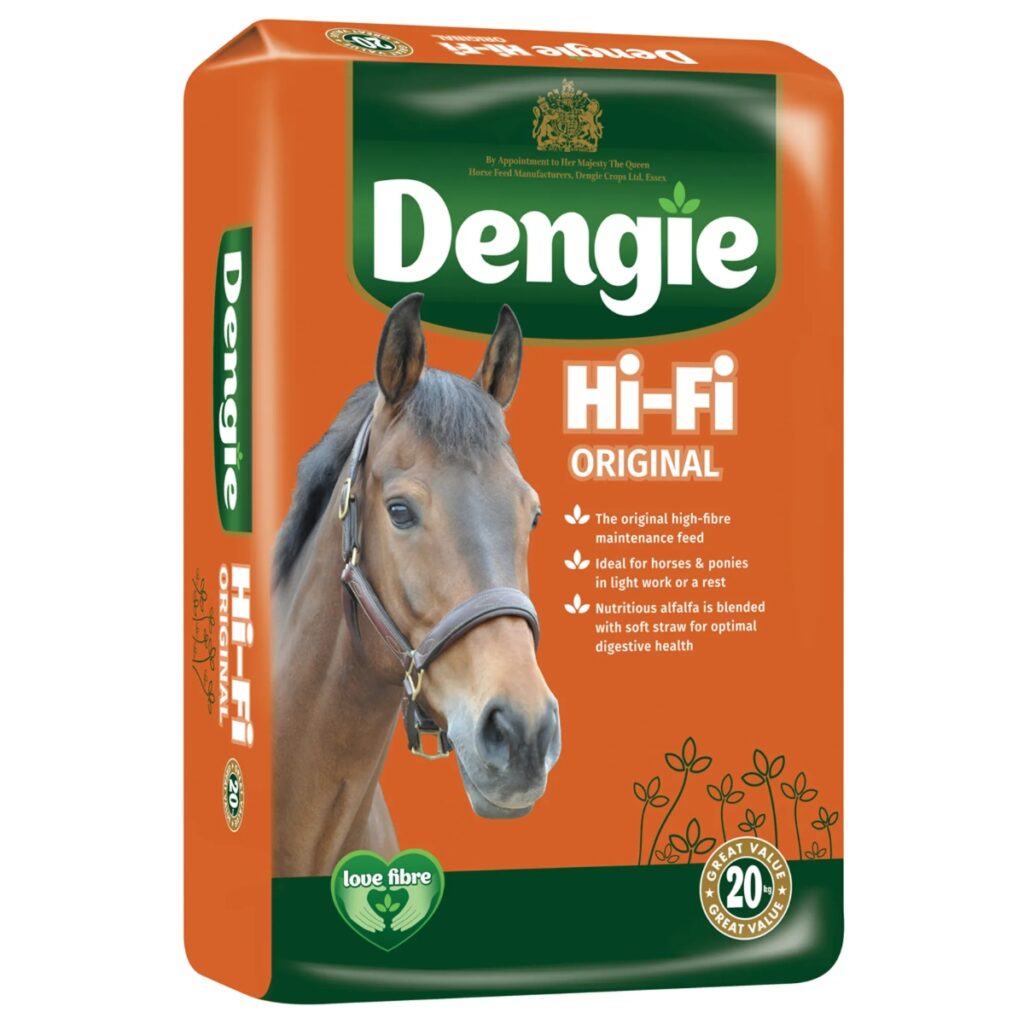
Feeding Flexibility with Dengie
Dengie Horse Feeds recommend that the following products can be used as full forage replacers:
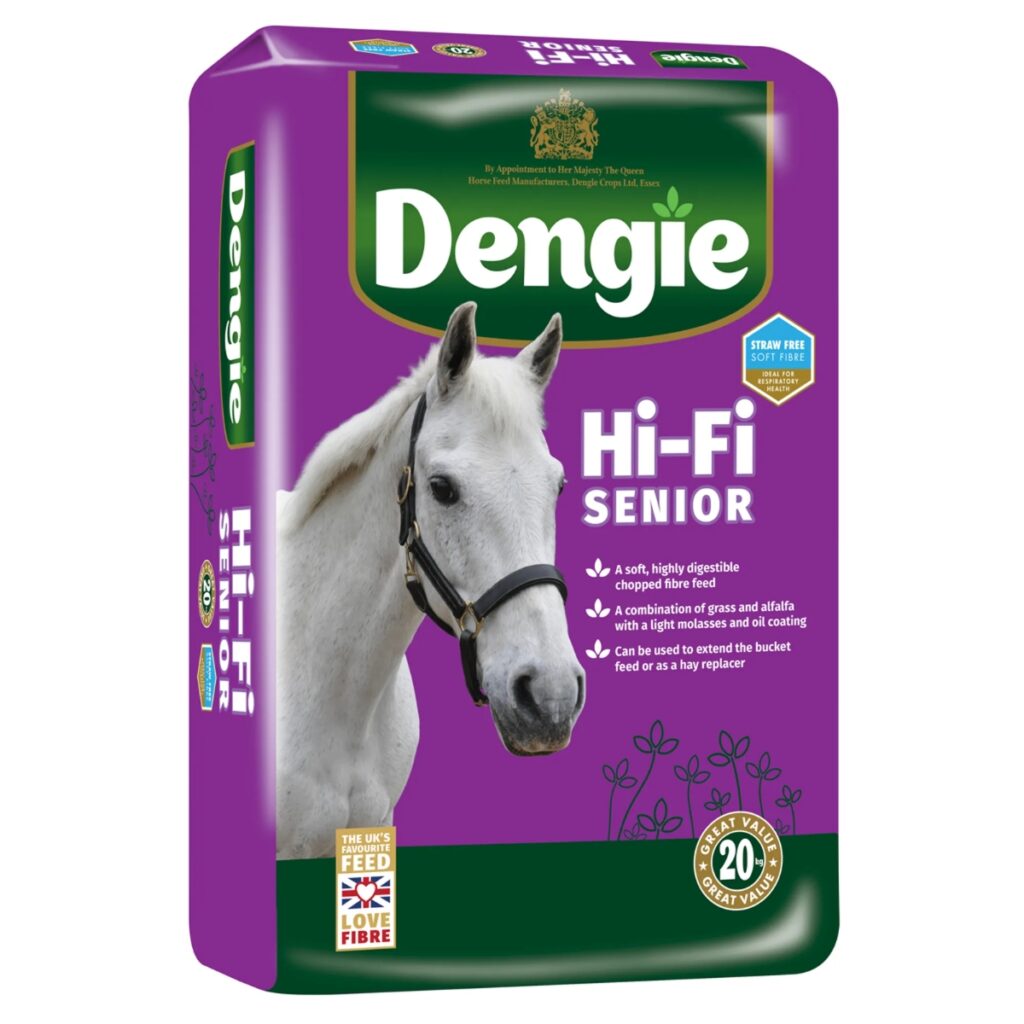
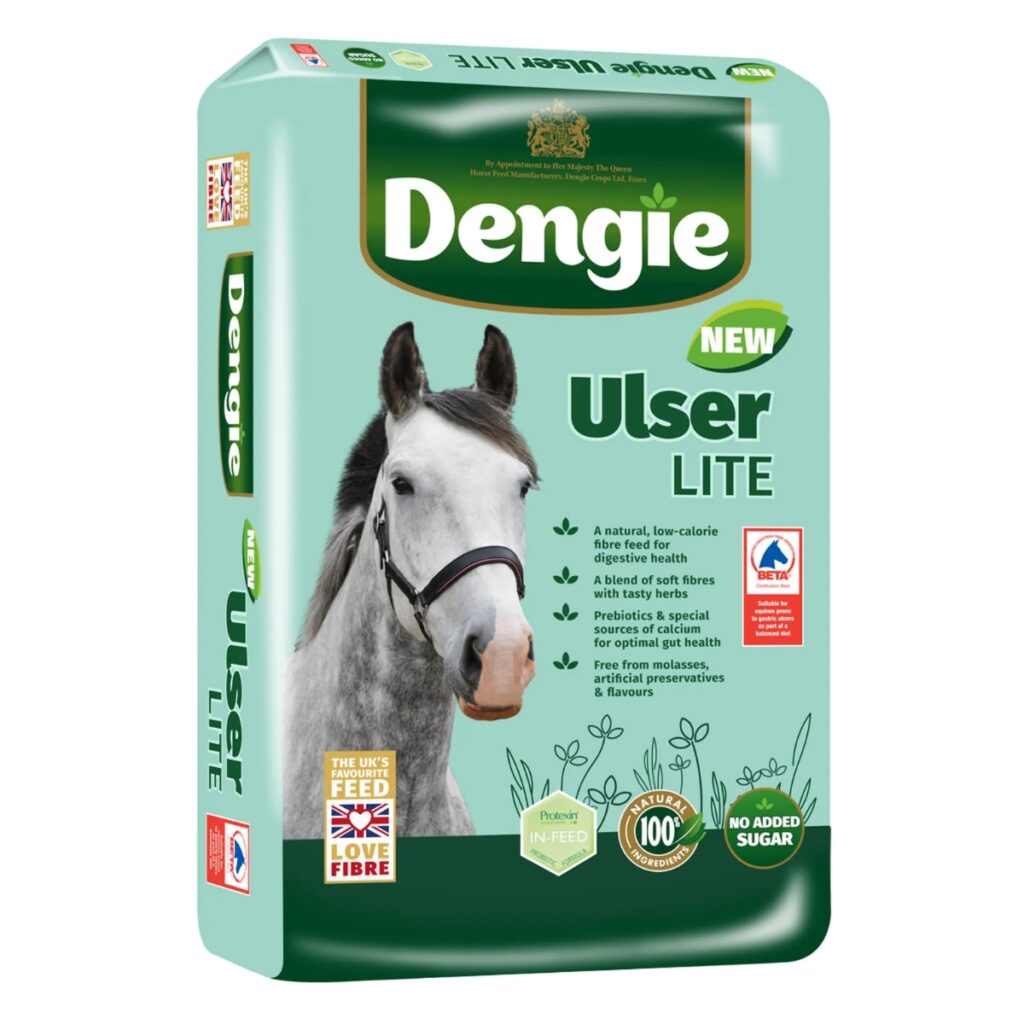
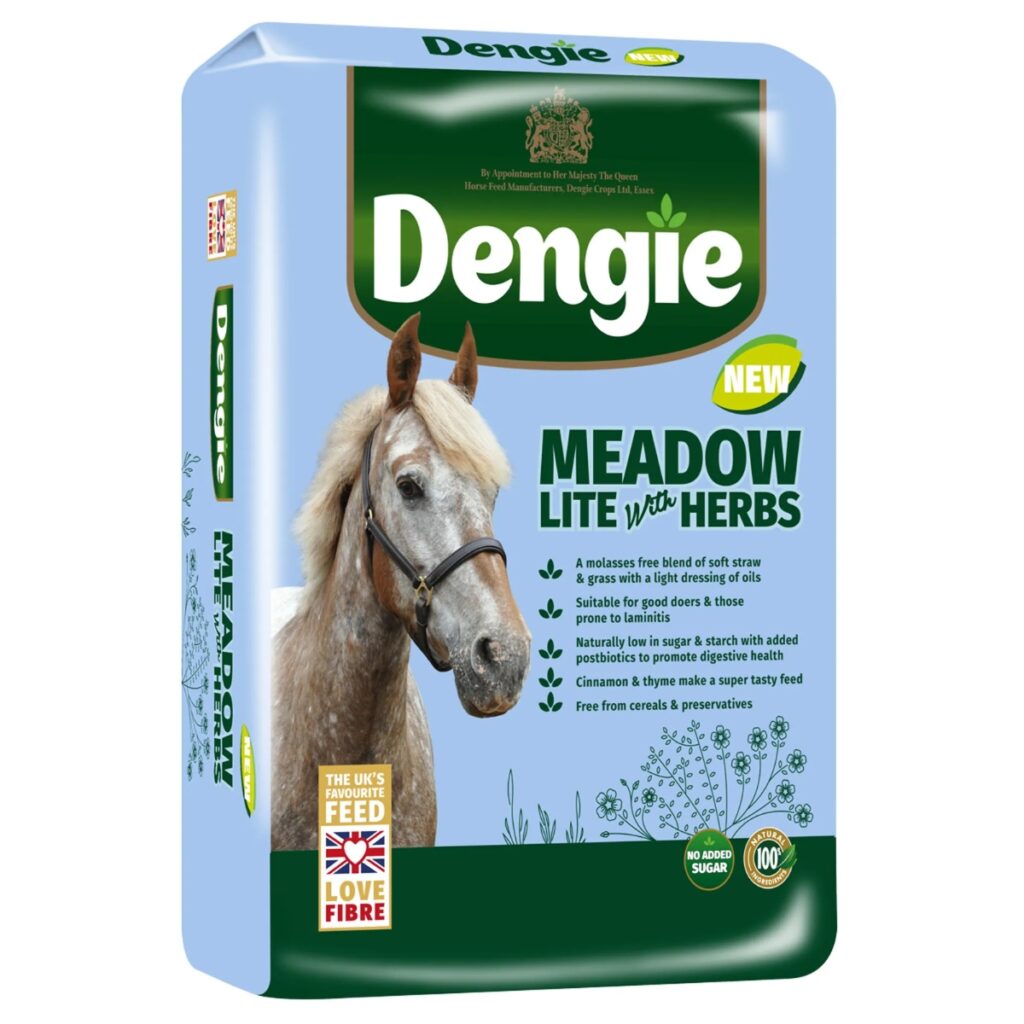
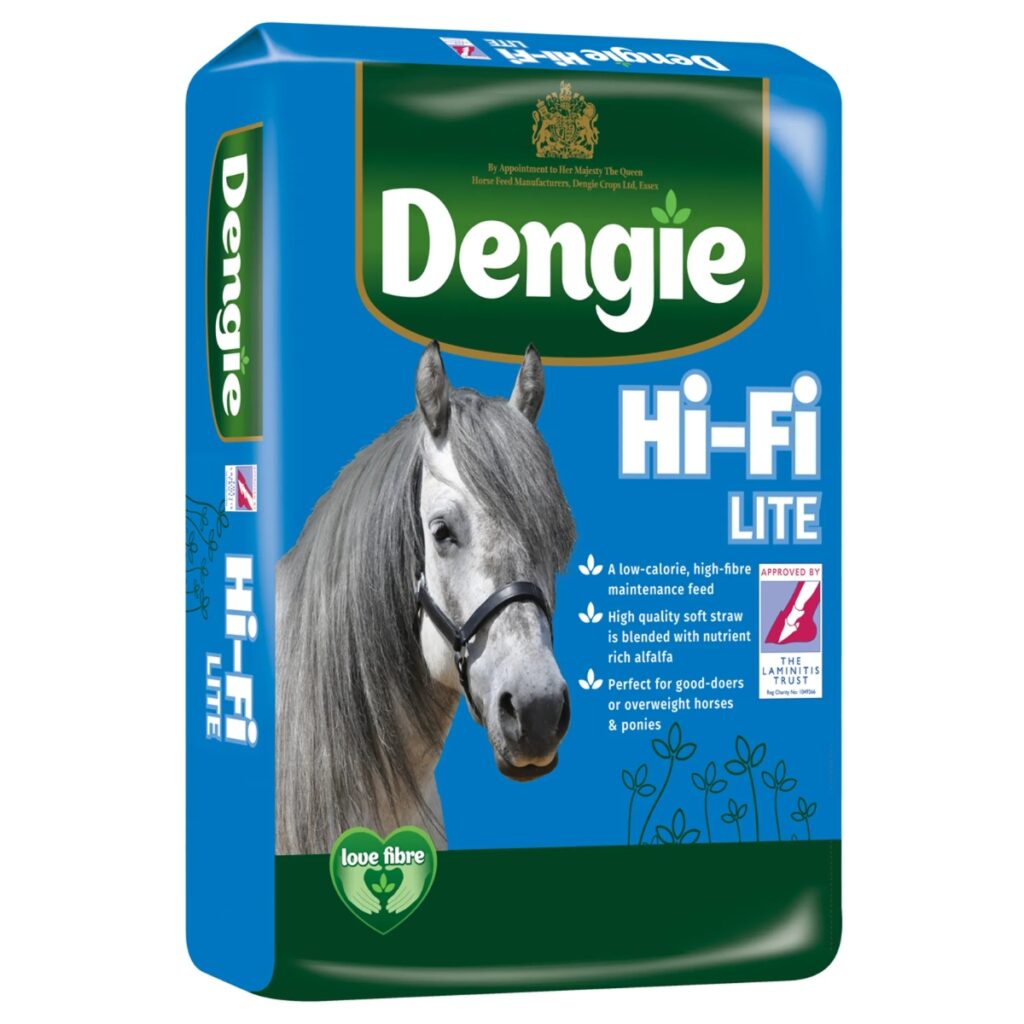
The products below can be used as partial forage replacers:
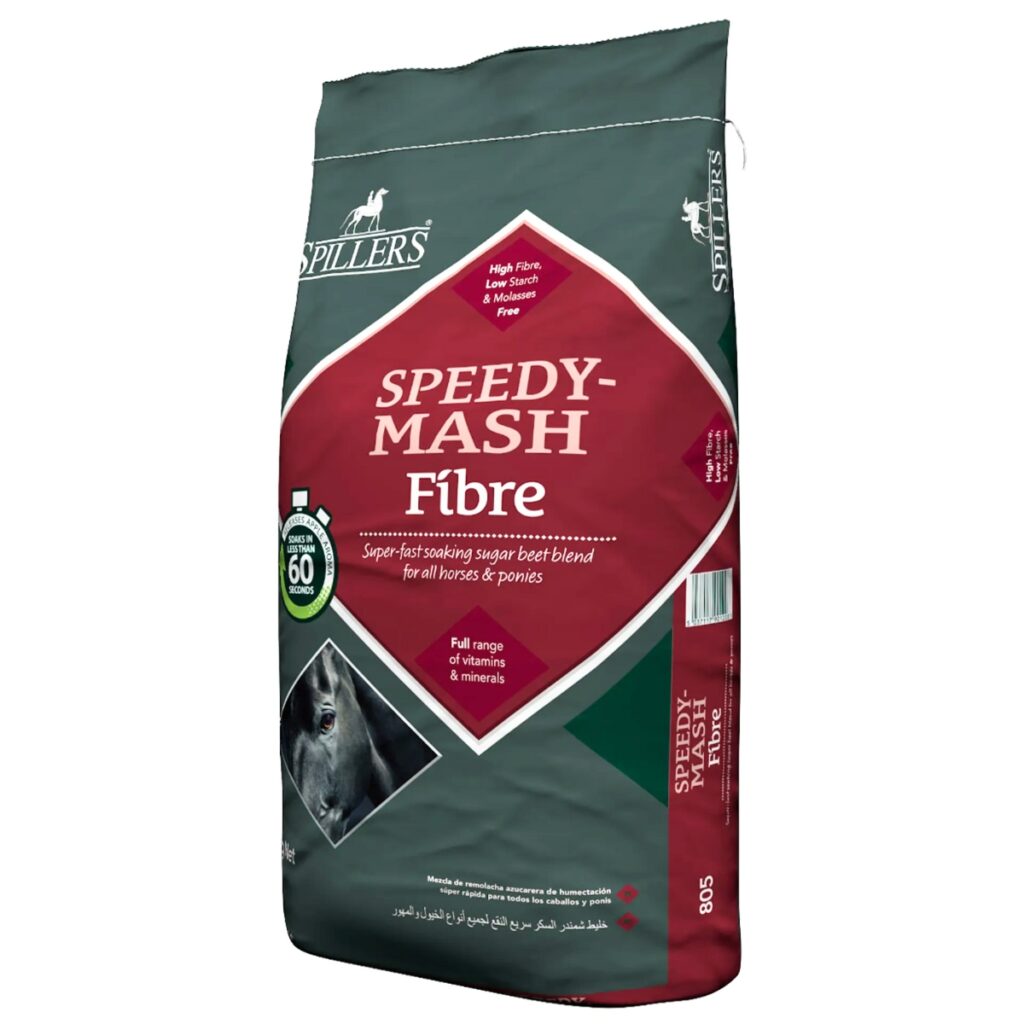
Seasonal Solutions from Spillers
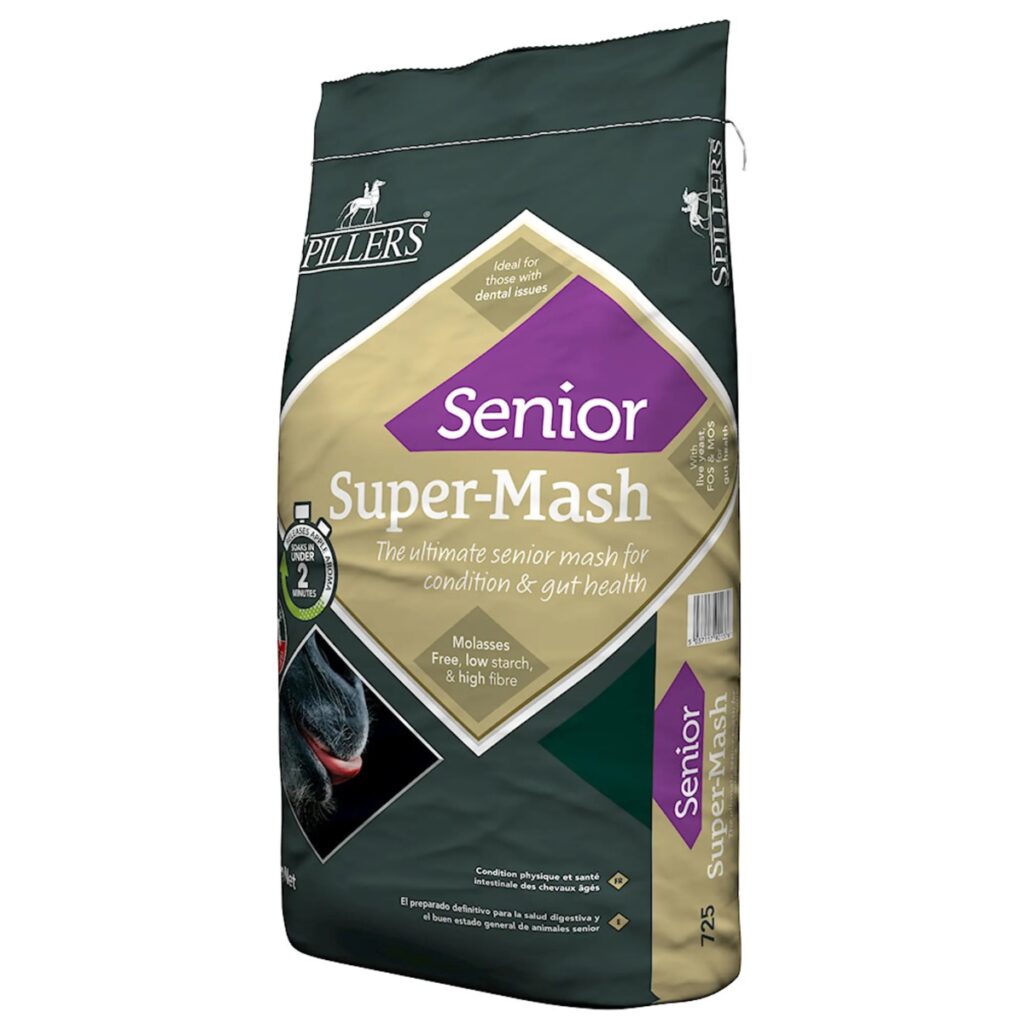
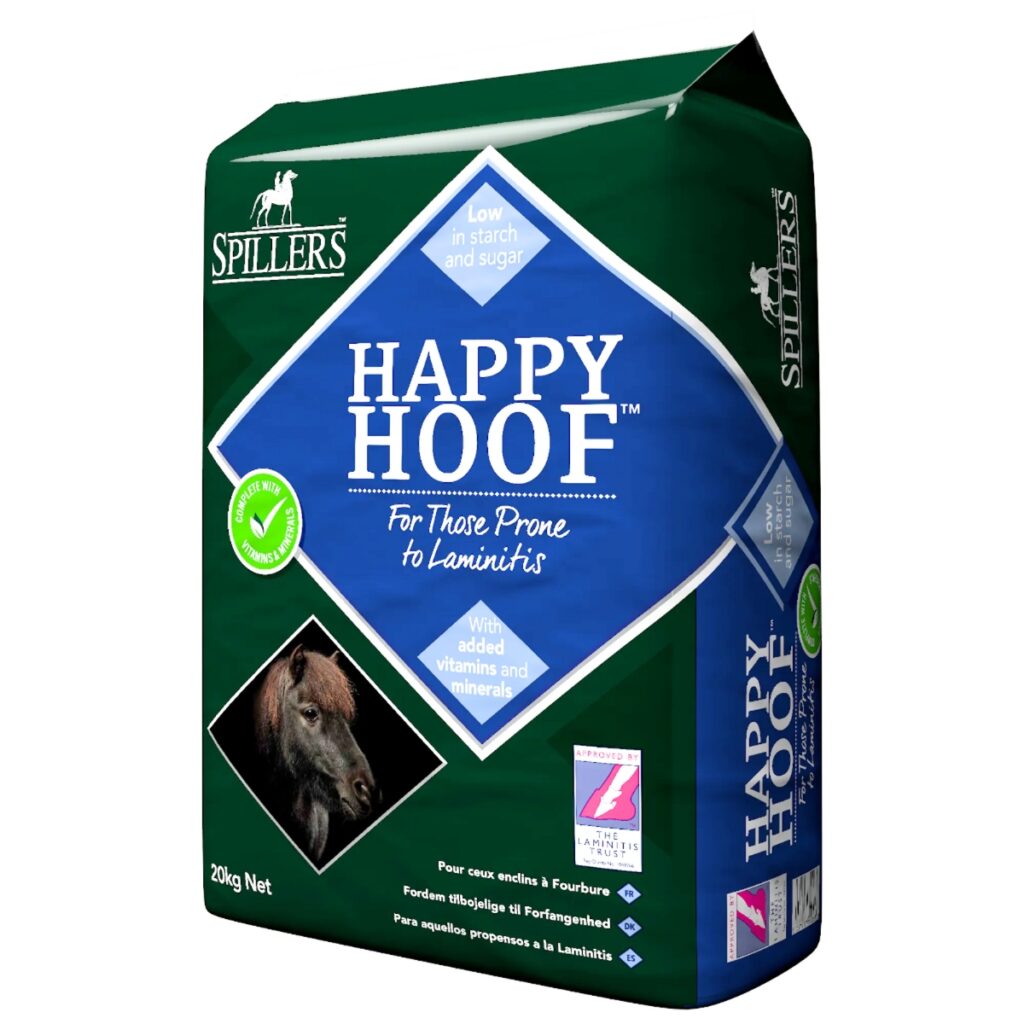
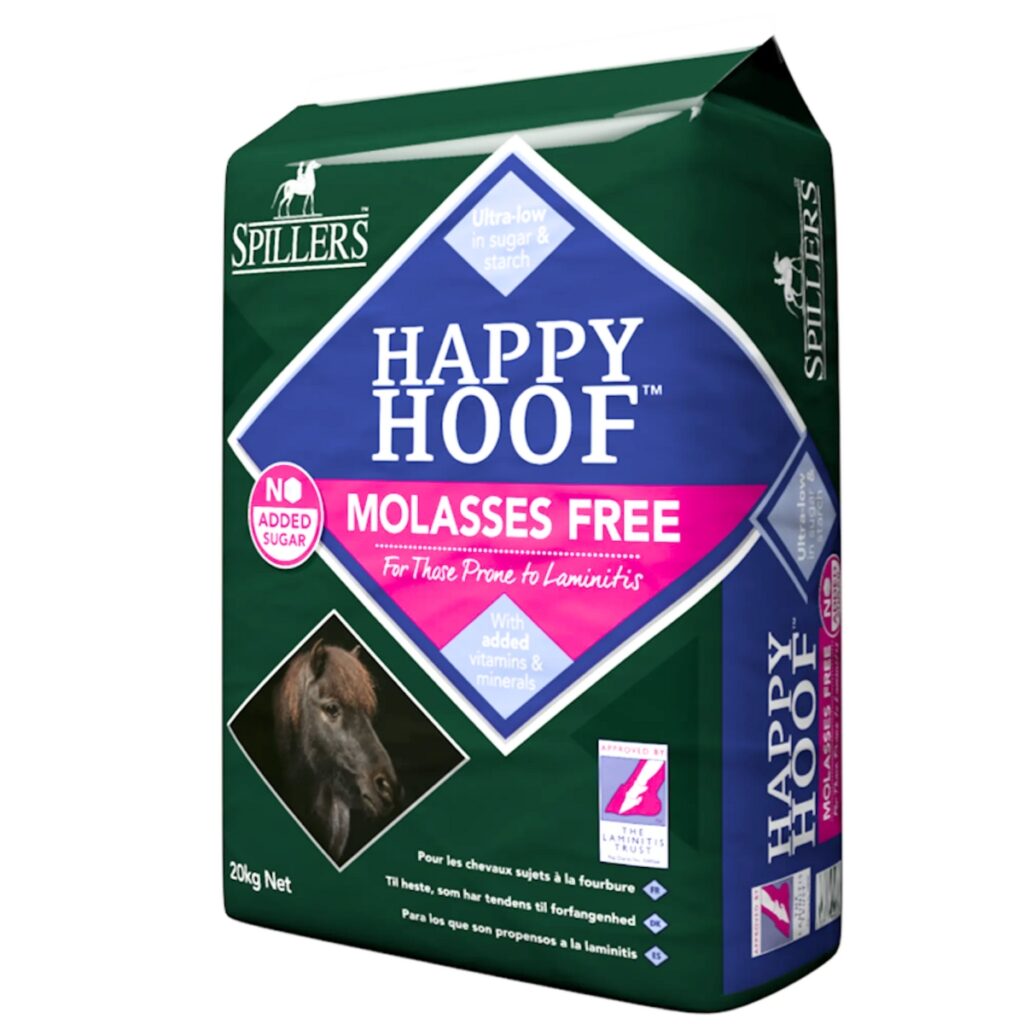
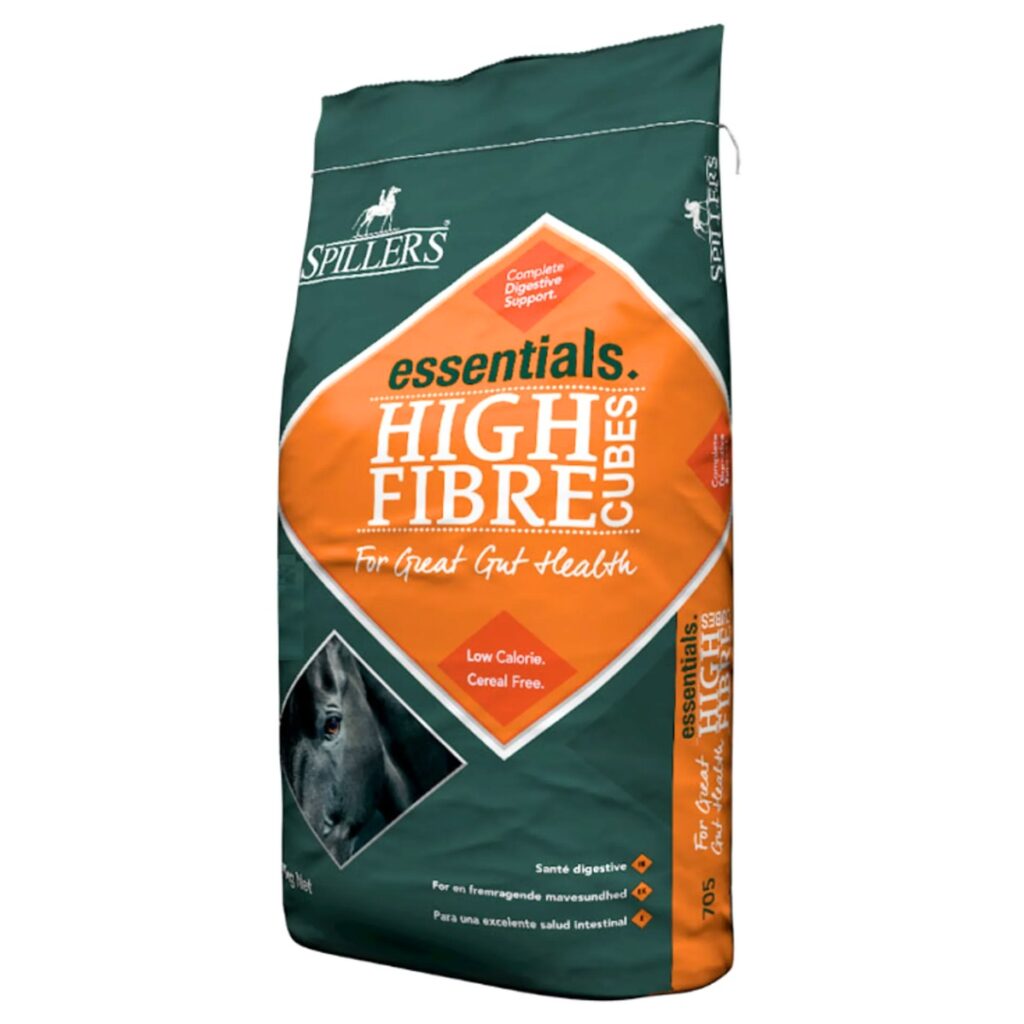
Spillers’ range offers full or partial forage replacers, many with added vitamins and minerals to balance the horse diet:
Fibre-Focused Feeding with Mollichaff
The following Mollichaff products can be used as partial forage replacers:
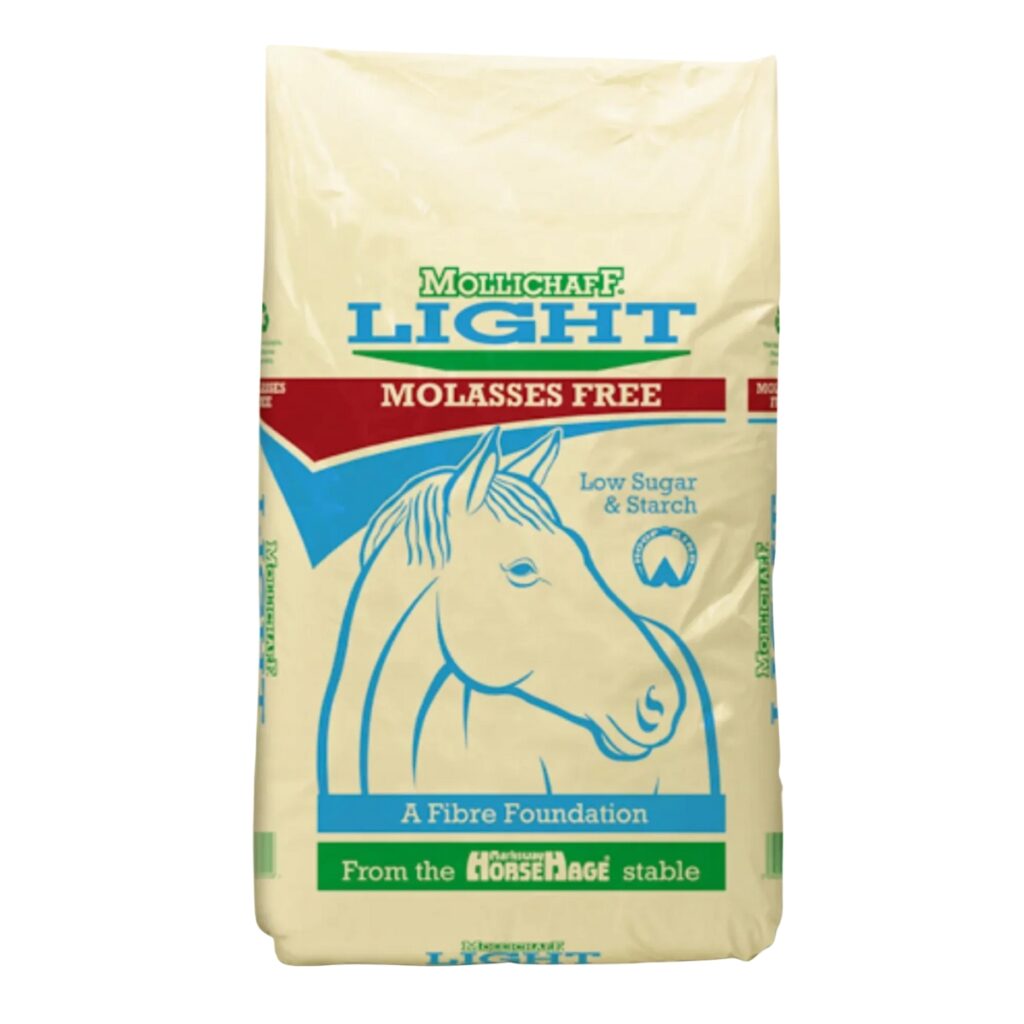
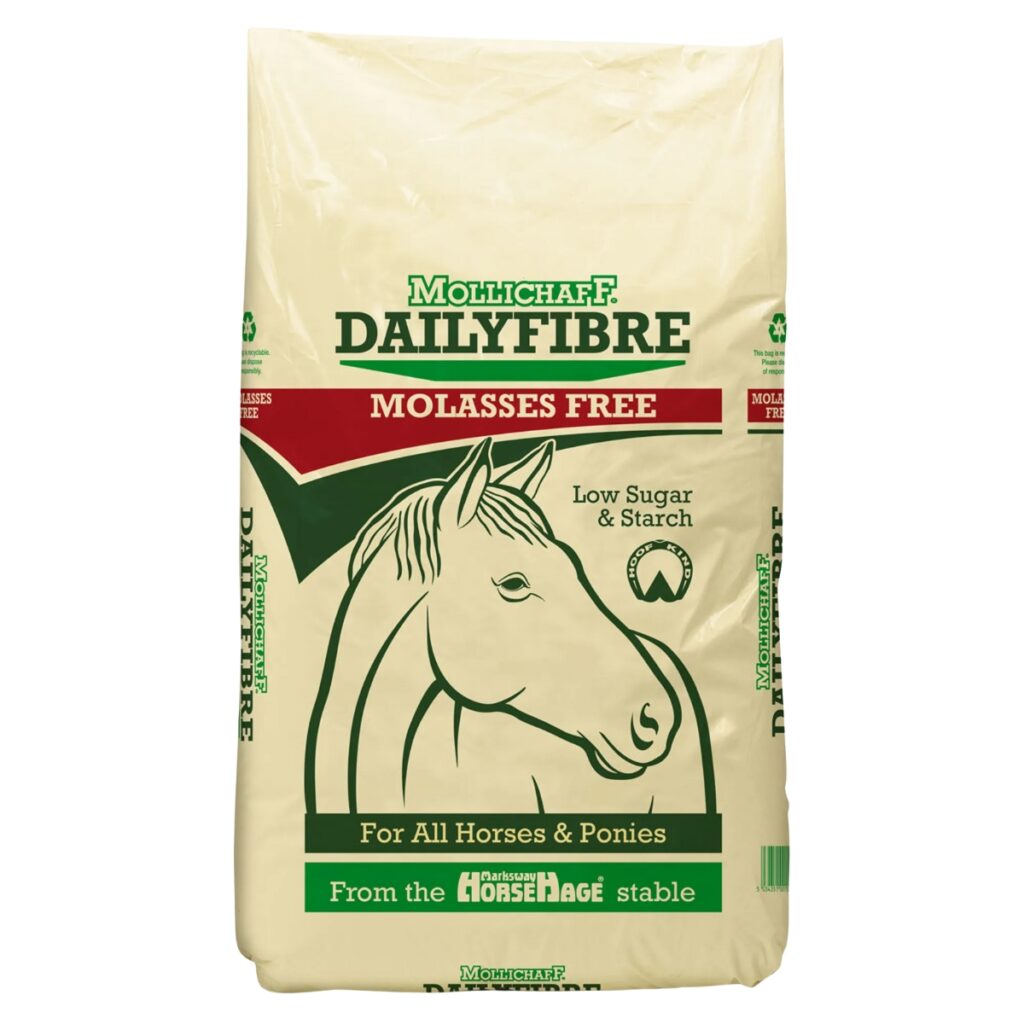
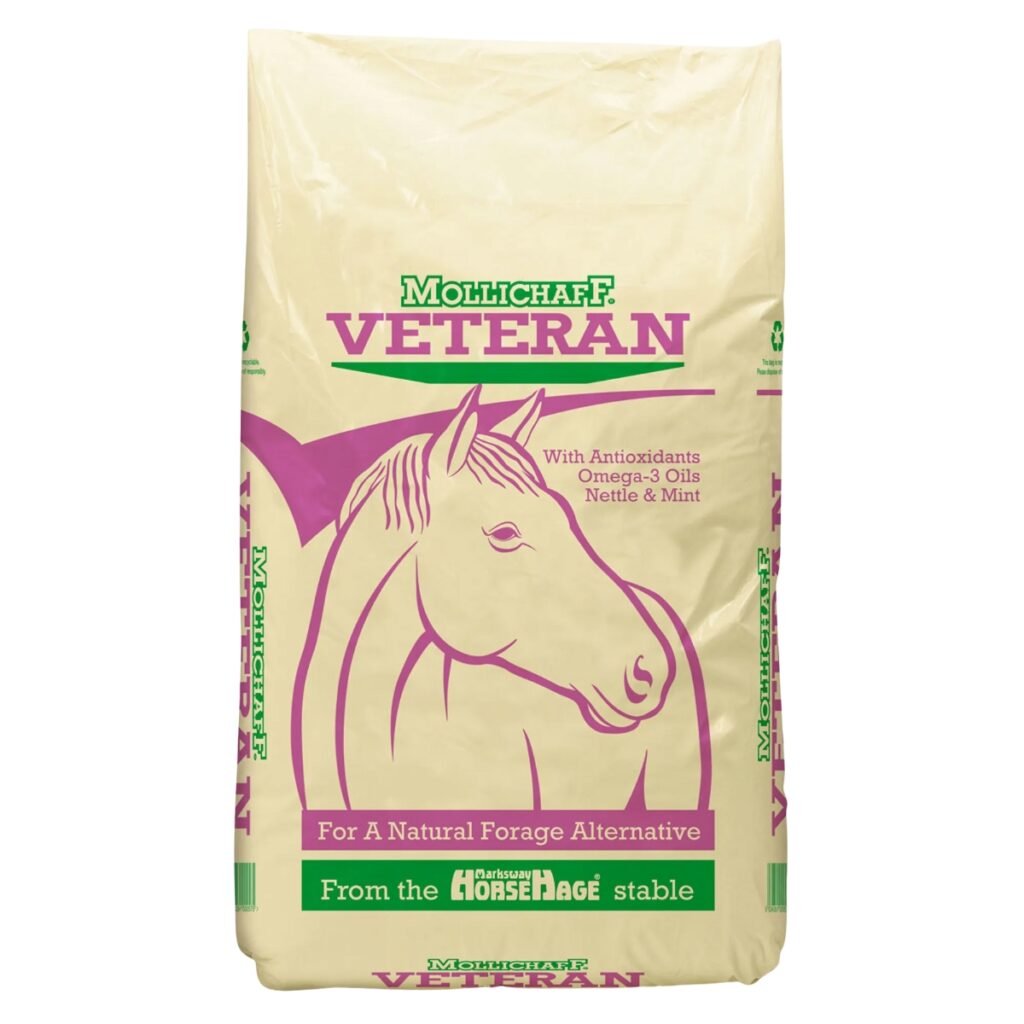
TOP FEEDING TIP: Mollichaff Veteran is not suitable for EMS equines but ideal for harder-working, older horses needing extra calories.
Filling Fibre Gaps with British Horse Feeds
British Horse Feeds have identified the following products as partial forage replacers:
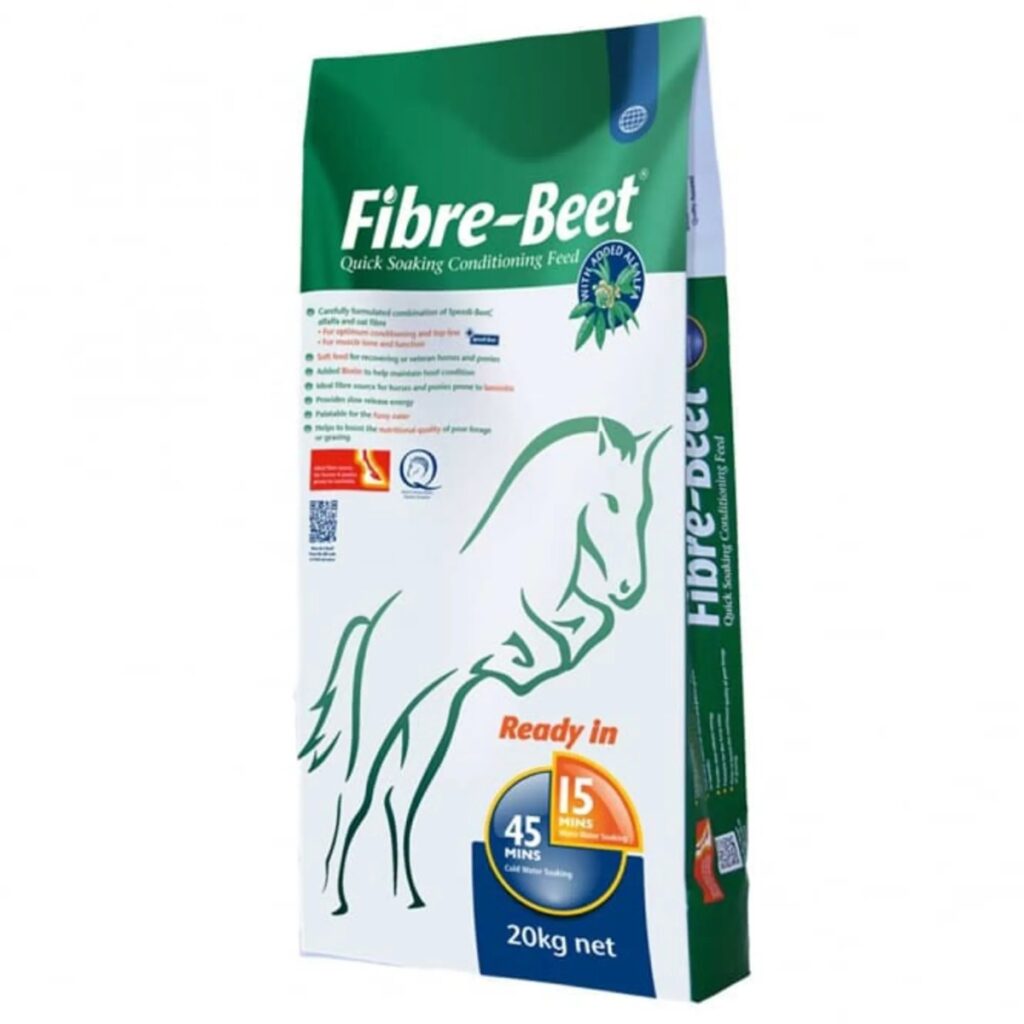
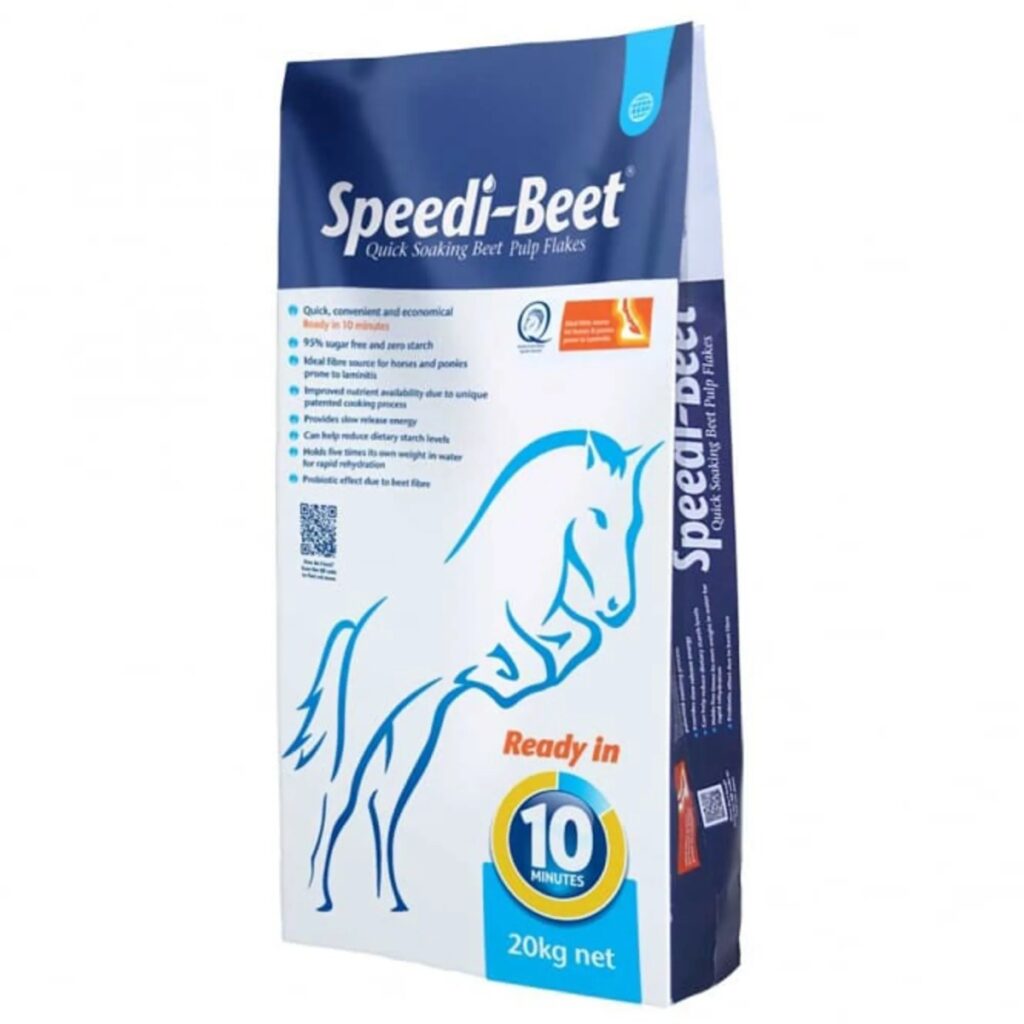
Both are great for adding extra fibre and hydration while supporting healthy digestion and weight management in horses.
The Best of Baileys’ forage alternatives
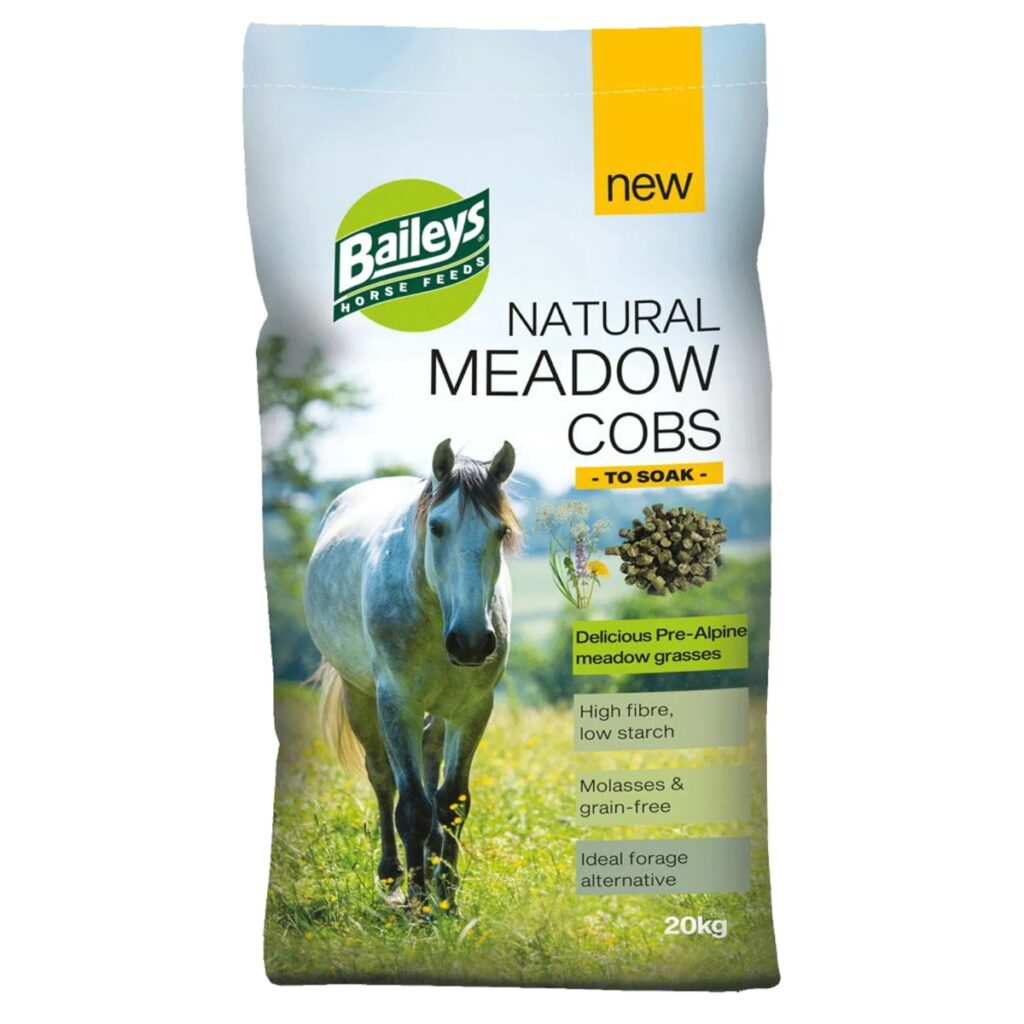
Baileys advise that their Natural Meadow Cobs can be used as a full forage replacer:
While the Fibre Plus Nuggets are suitable as partial forage replacer:
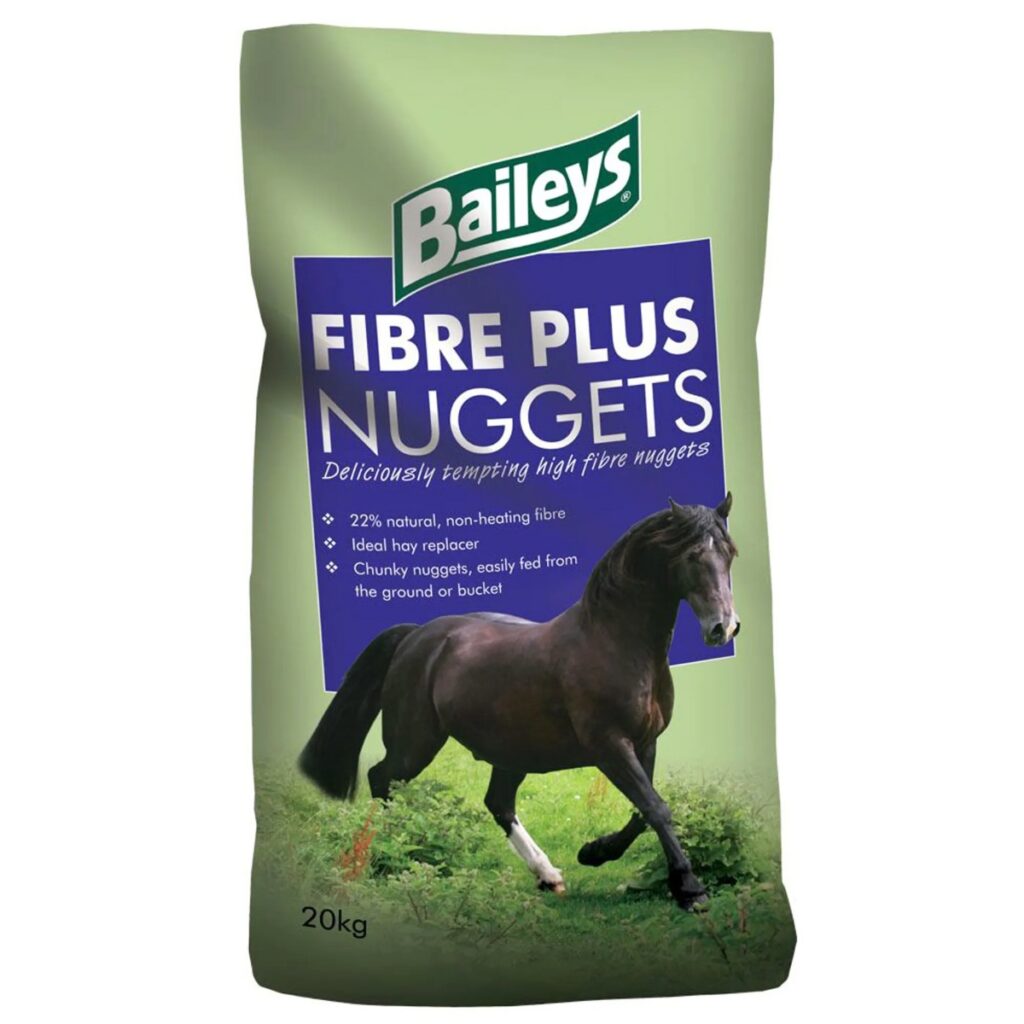
TOP FEEDING TIP: Baileys Fibre Plus Nuggets can be fed soaked or dry. If fed dry, split the ration into smaller portions throughout the day or use a treat ball to slow down greedy feeders.
Topping Up With TopSpec
TopSpec offer the following full forage replacers:
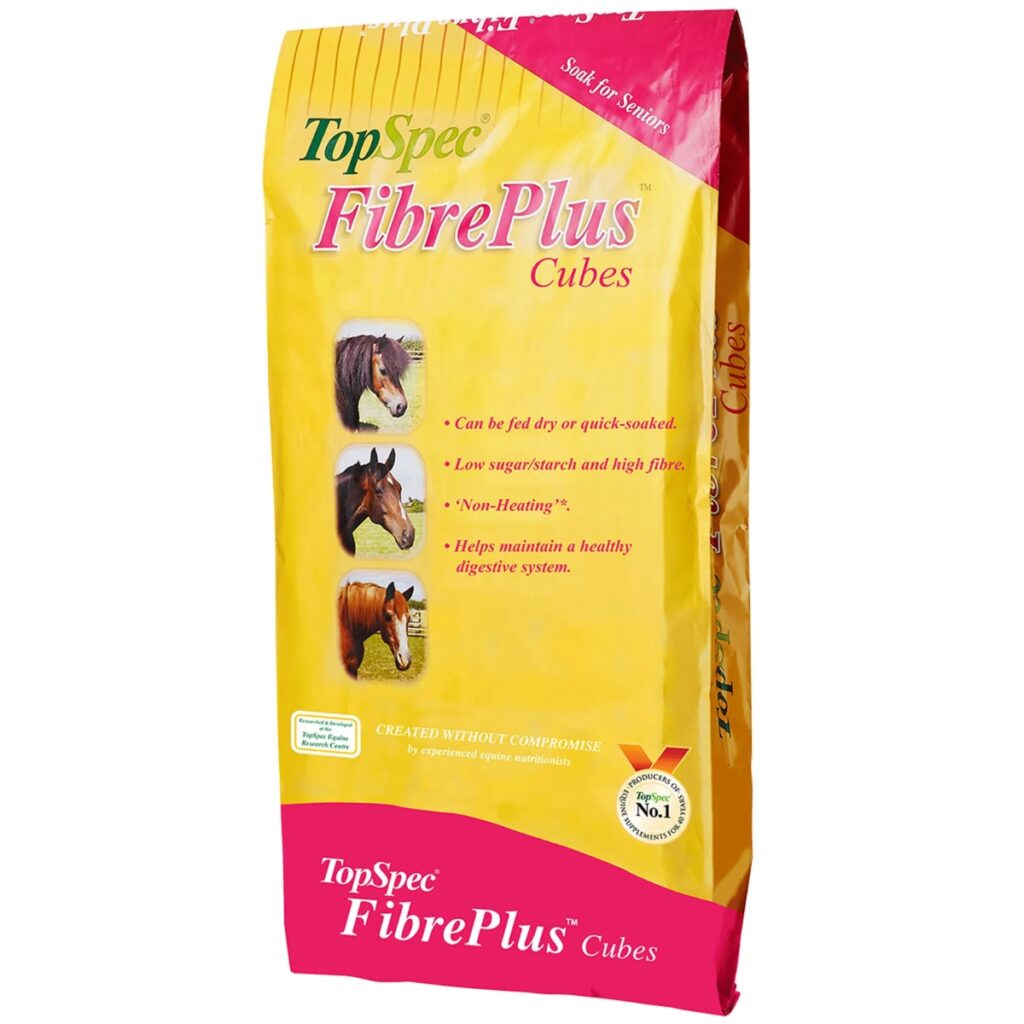
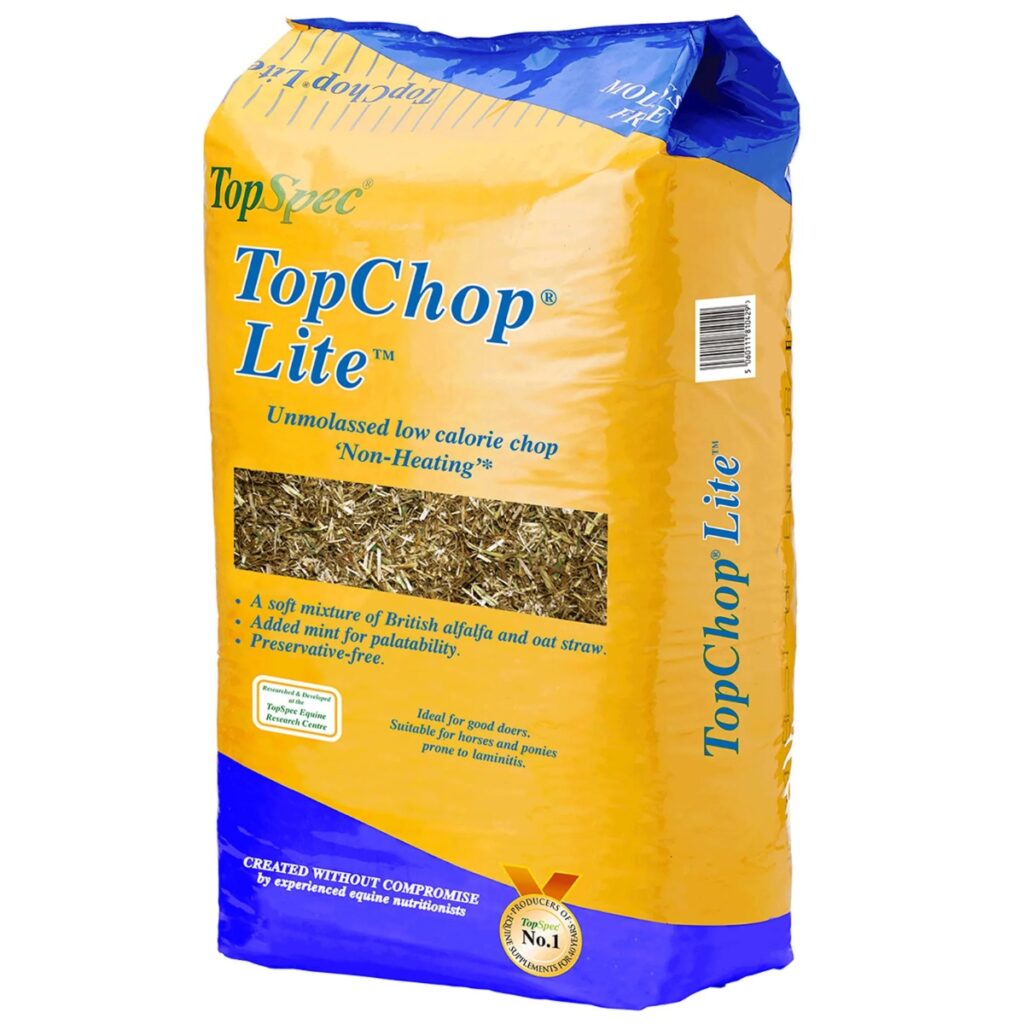
The following products from their range are suitable as partial forage replacers:
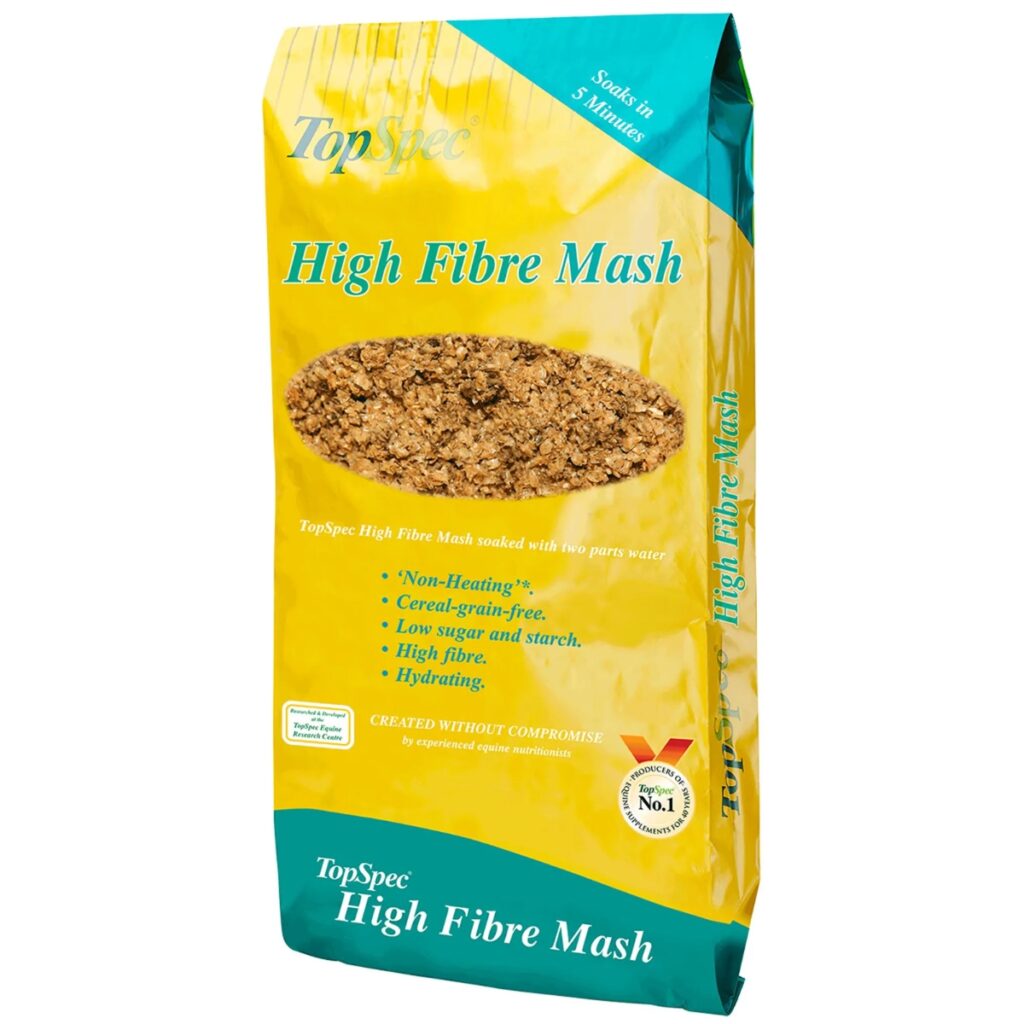
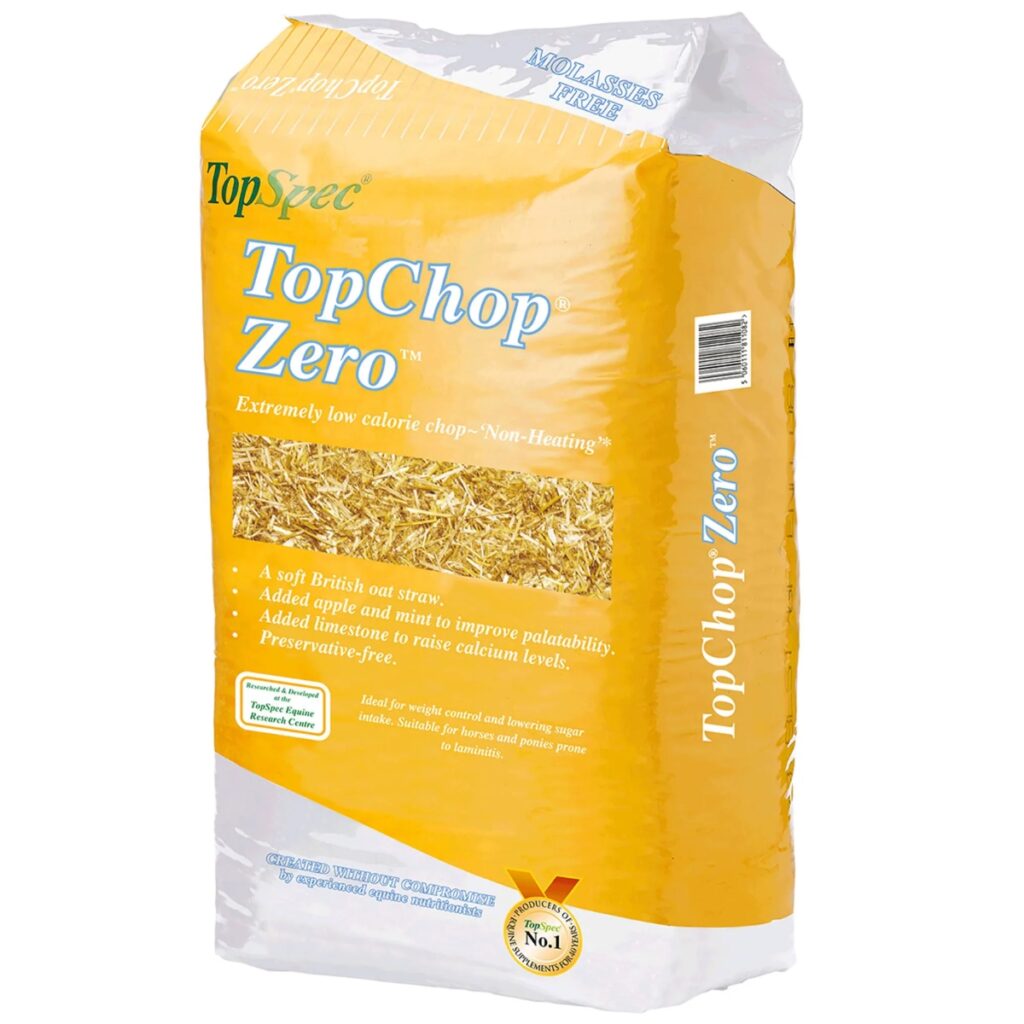
These are ideal for horses needing controlled calorie intake or extra fibre without added sugar.
High-Fibre Help from Honeychop
Honeychop recommend these products as partial forage replacers to supplement your horse’s diet:
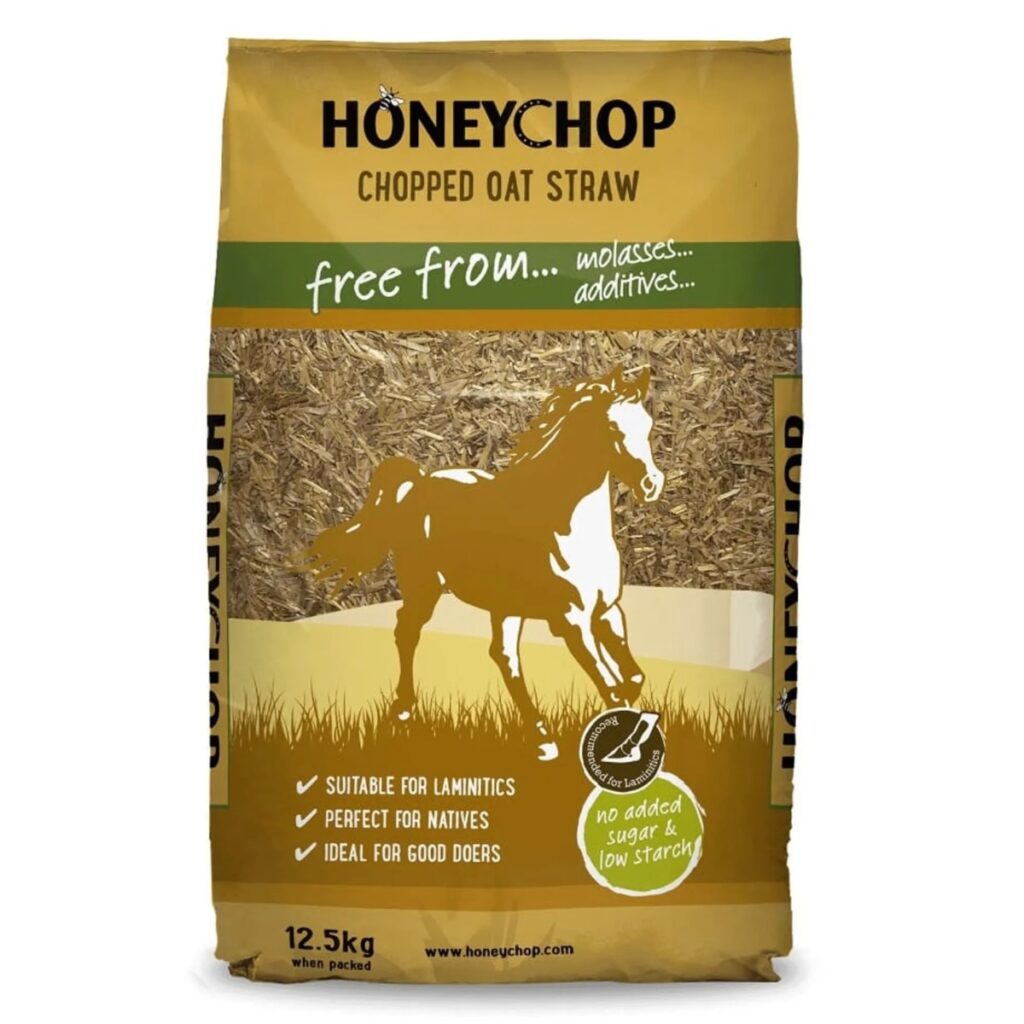
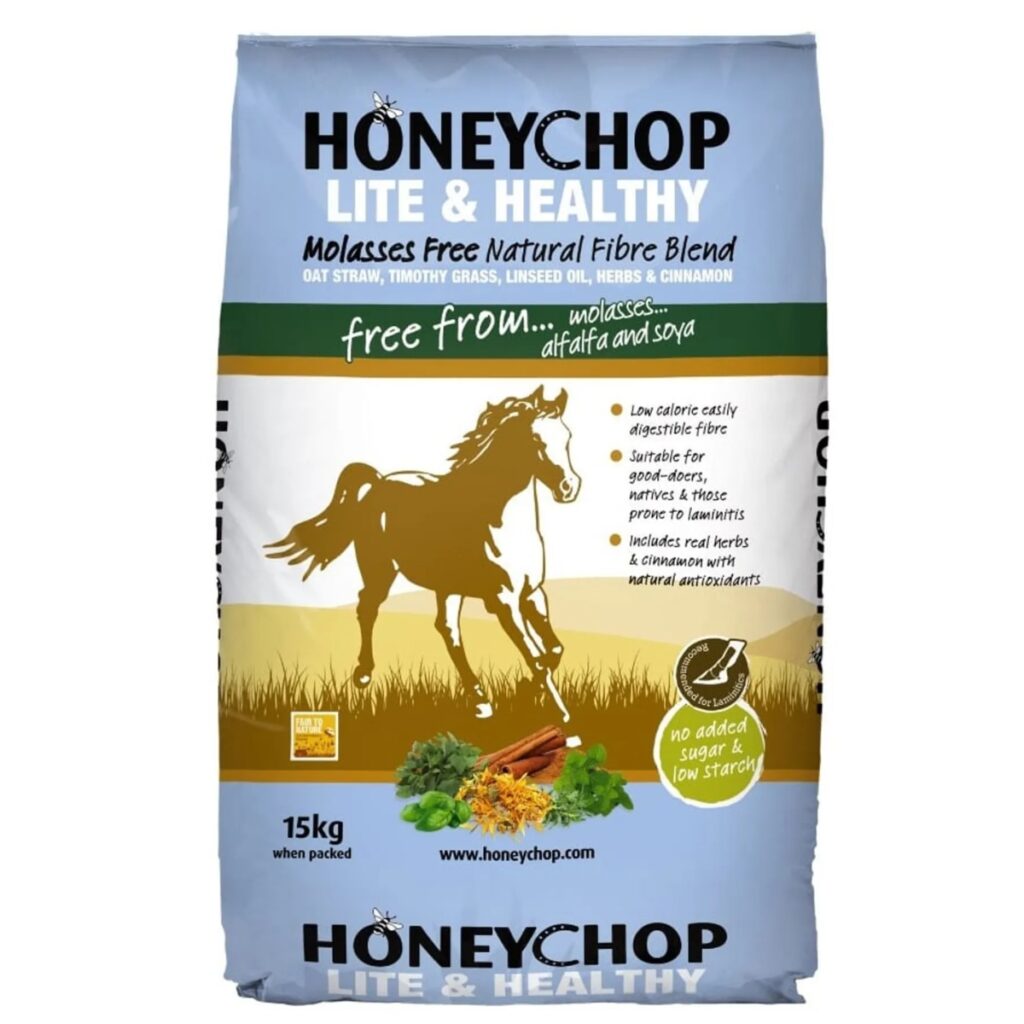
Perfect for supplementing forage while supporting a healthy gut and longer chewing times.
Food For Thought From Thunderbrook
Thunderbrook HayCobs can be fed soaked as a full or partial forage replacement:
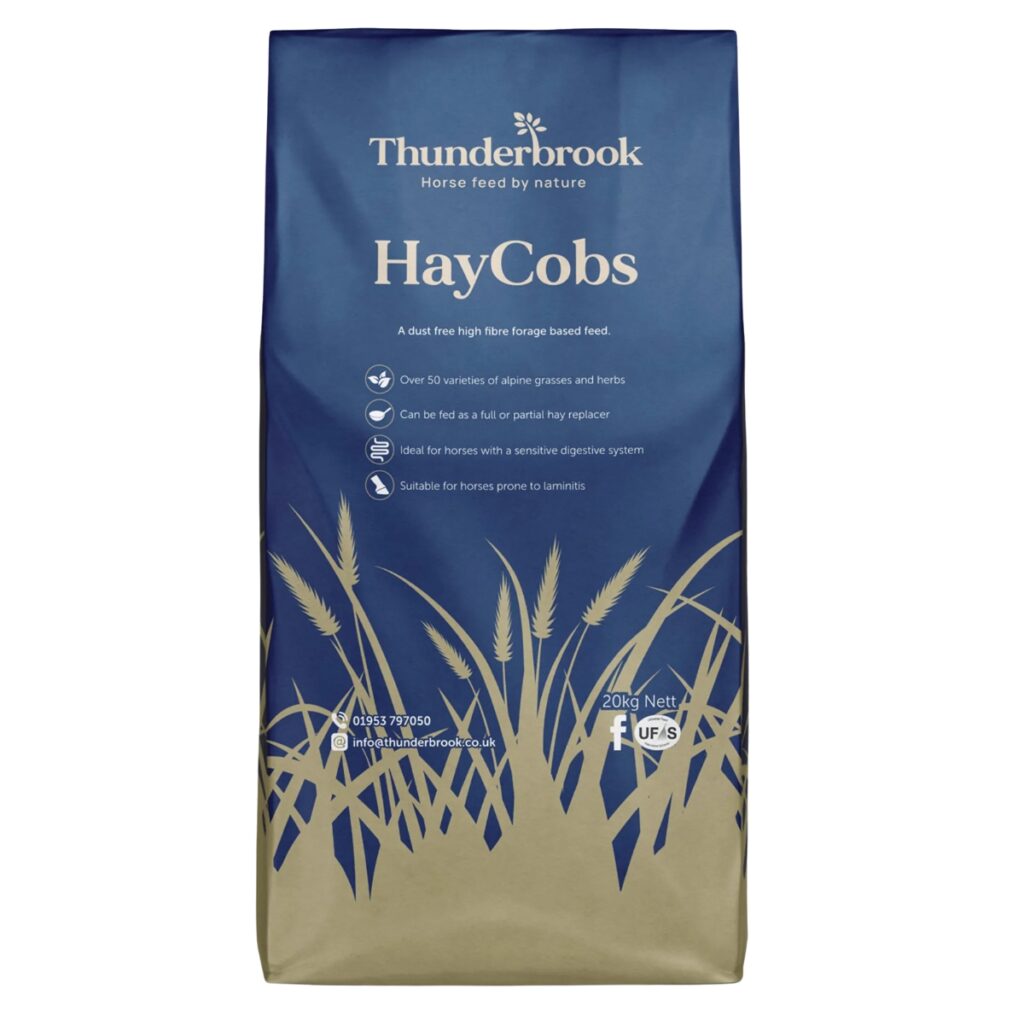
TOP FEEDING TIP: Soak Thunderbrook HayCobs before feeding, or use a treat ball to slow down eating and extend chewing time.
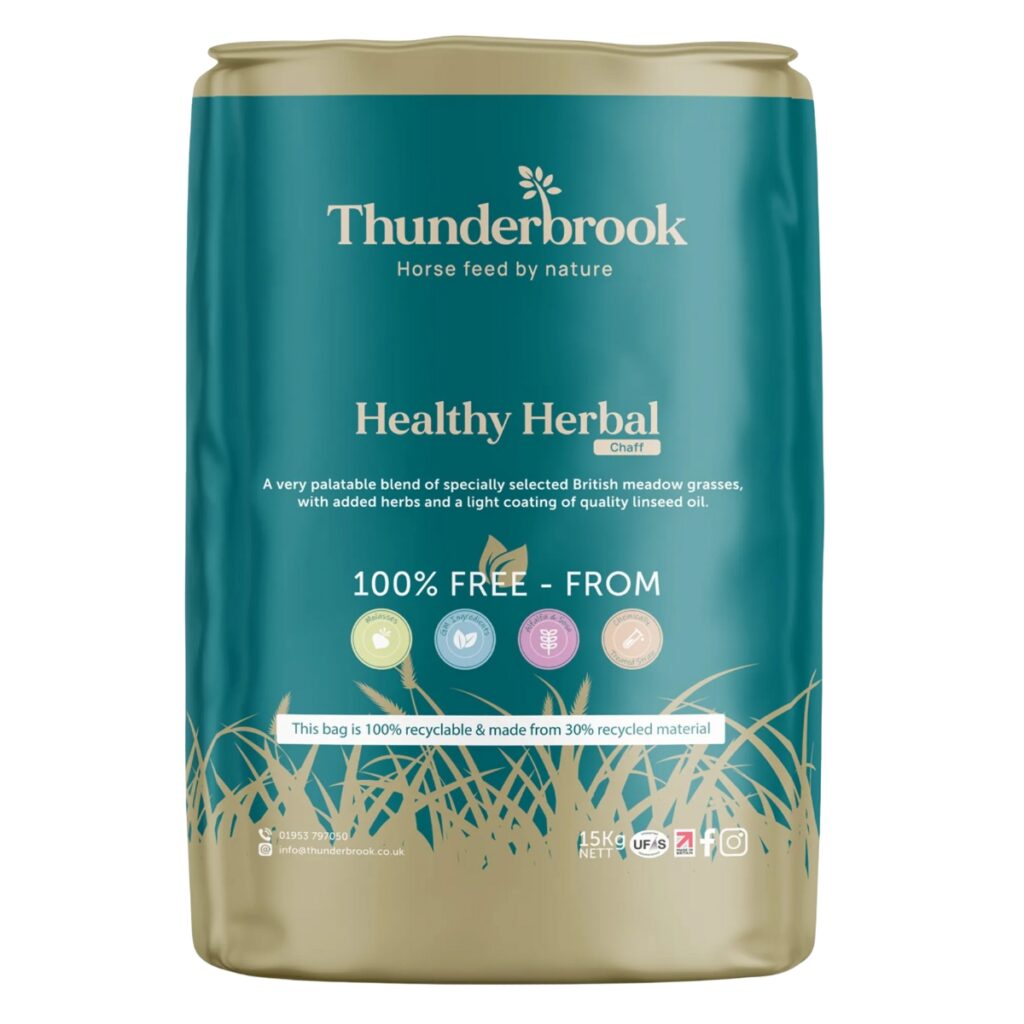
The company also recommends Thunderbrook Healthy Herbal Chaff as a suitable partial forage replacement:
Dodson & Horrell’s Healthy Fibre Feeds
Dodson and Horrell advise the following options as suitable partial forage replacers:
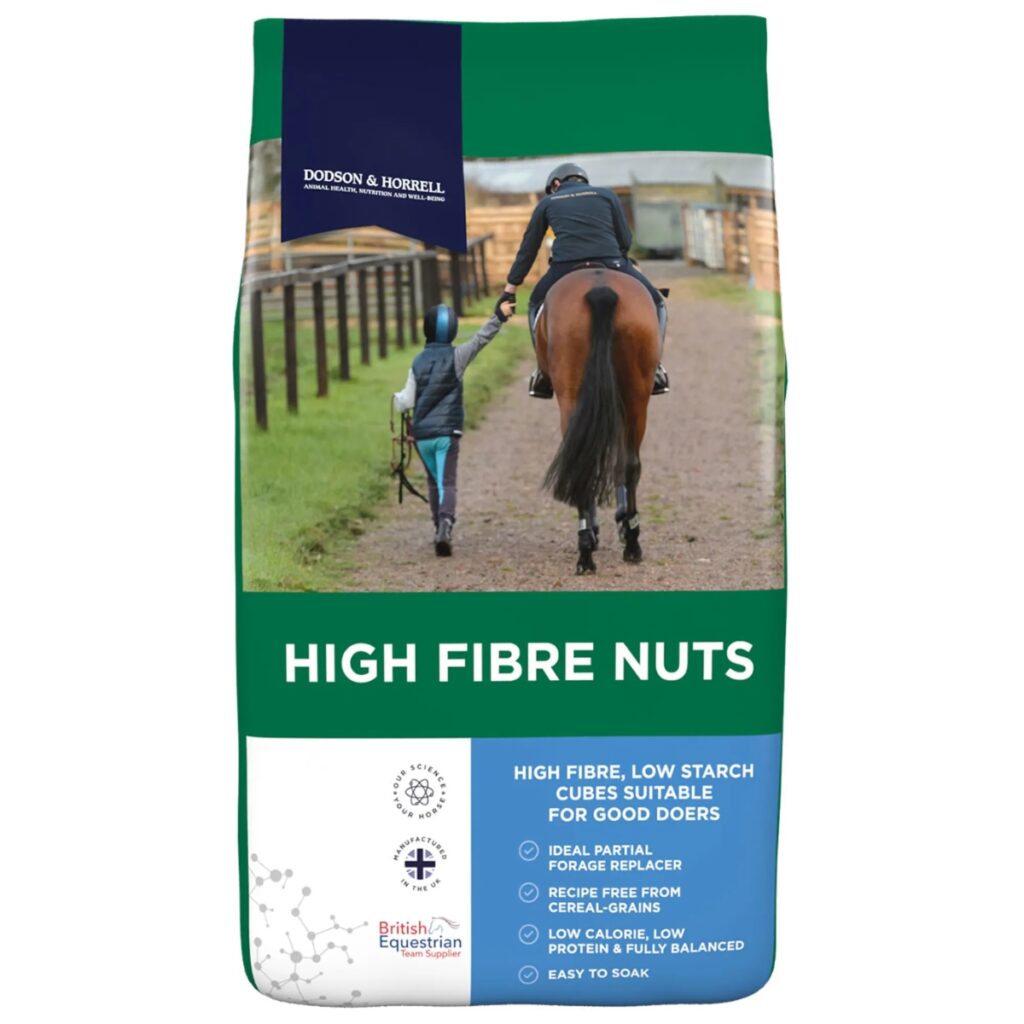
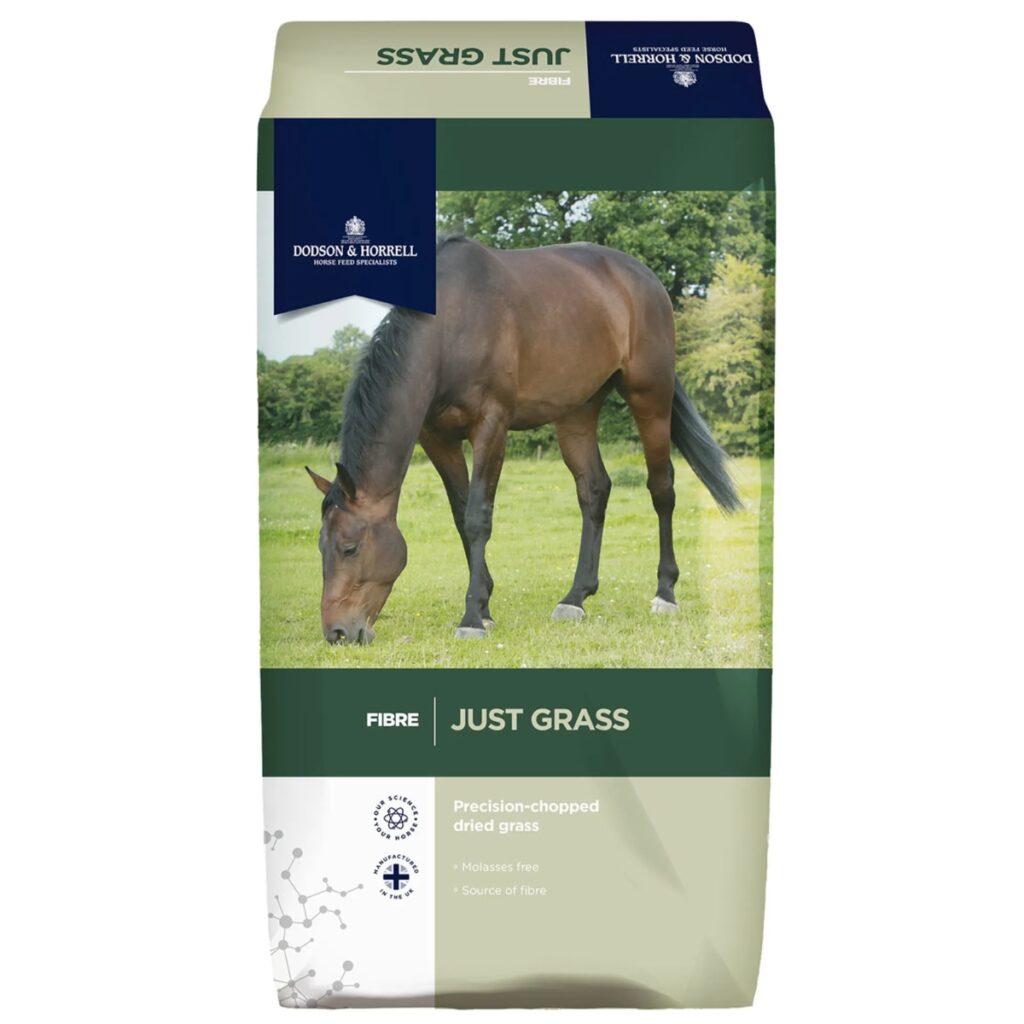
Both are great options for supporting digestive health and providing quality fibre.
Supporting Stomachs with Saracen
Saracen have the following options as partial forage replacers:
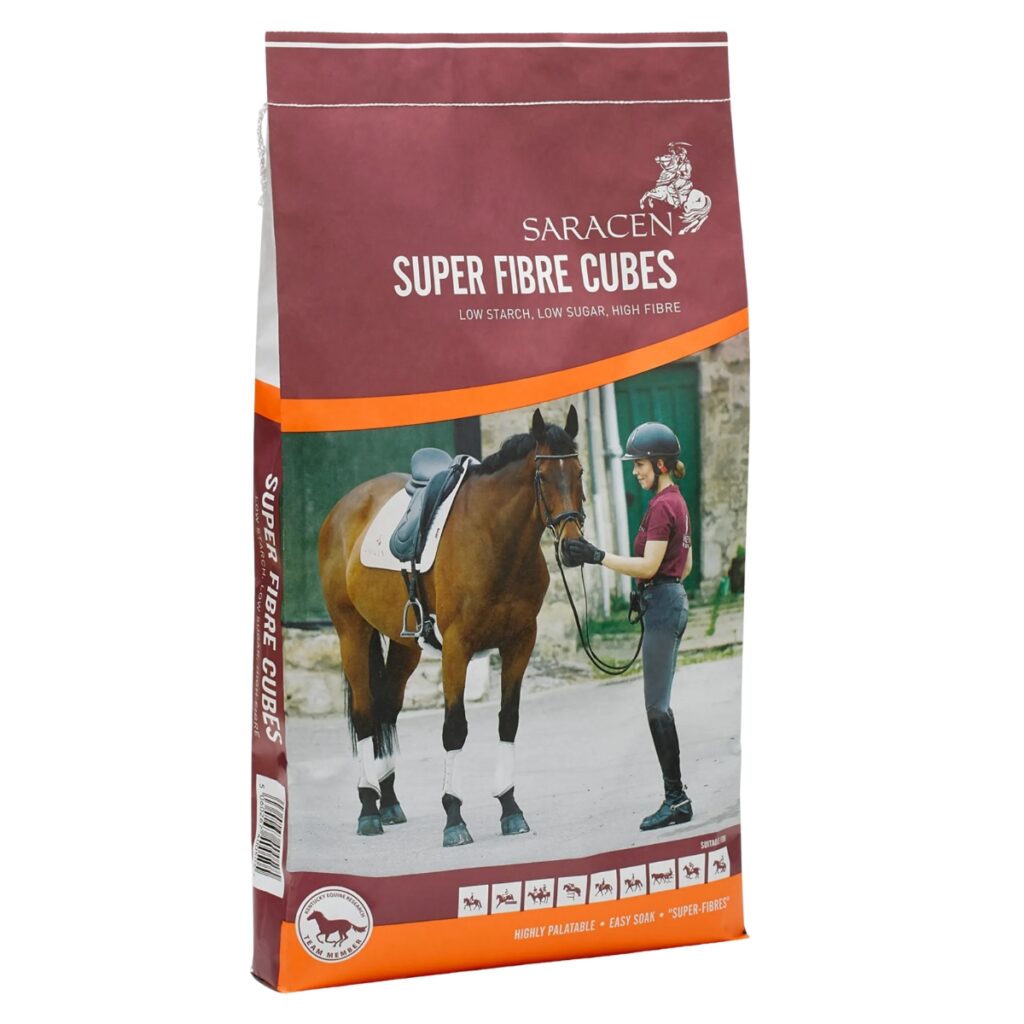
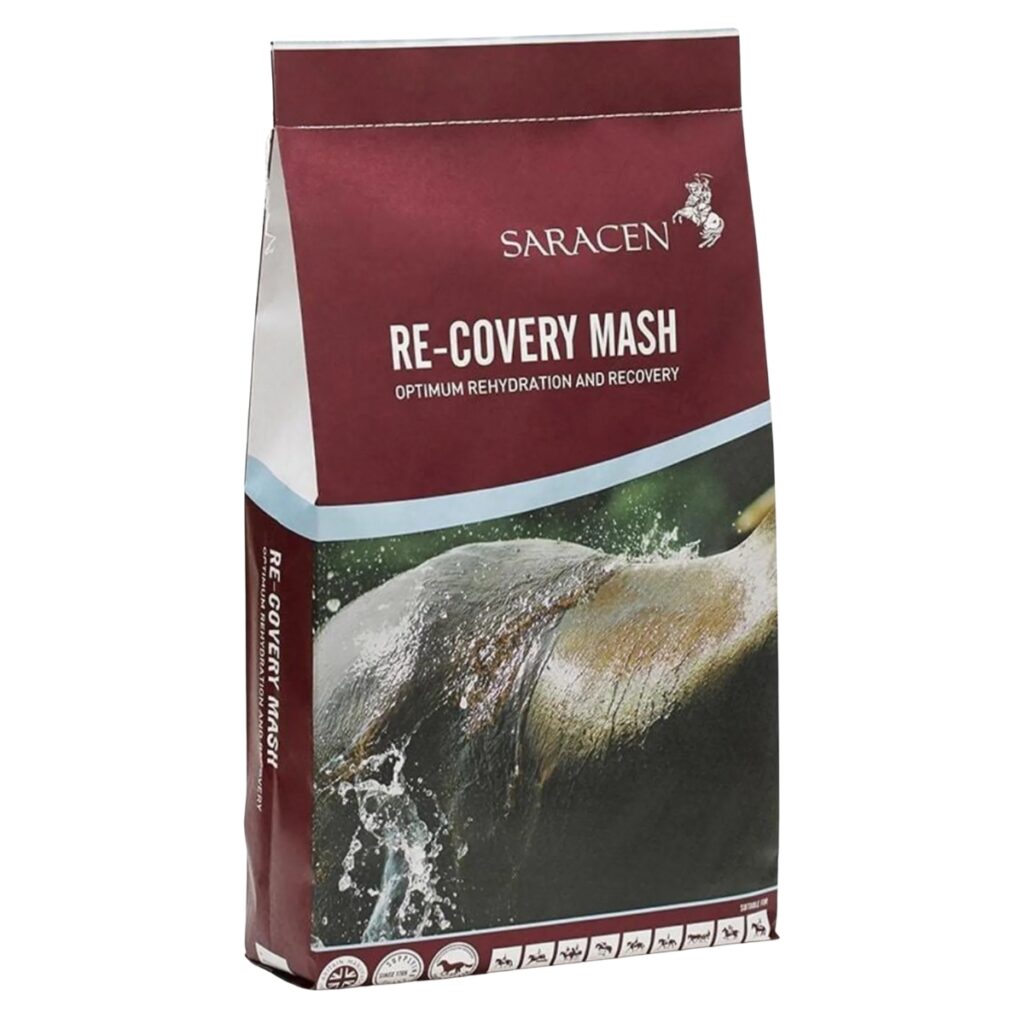
These are ideal for horses prone to stomach ulcers or needing easy-to-digest fibre for recovery and maintenance.
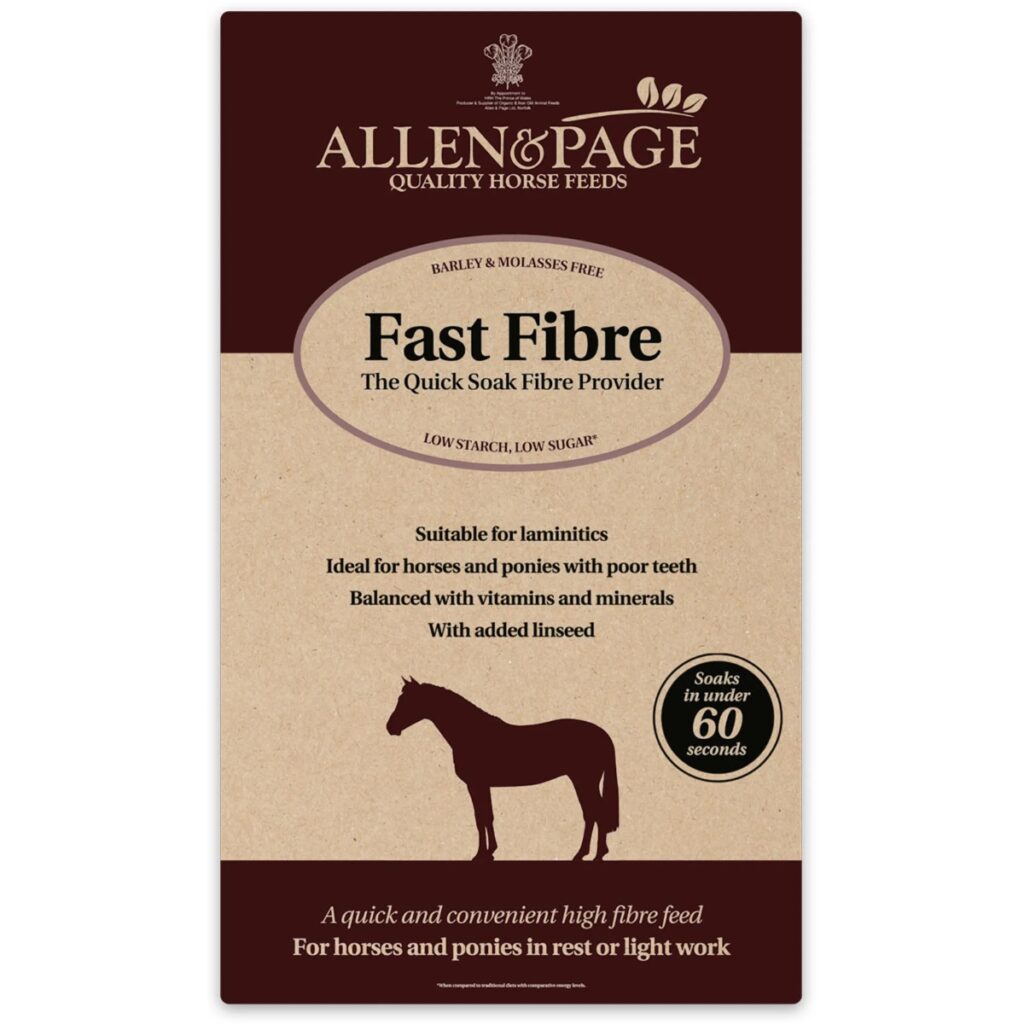
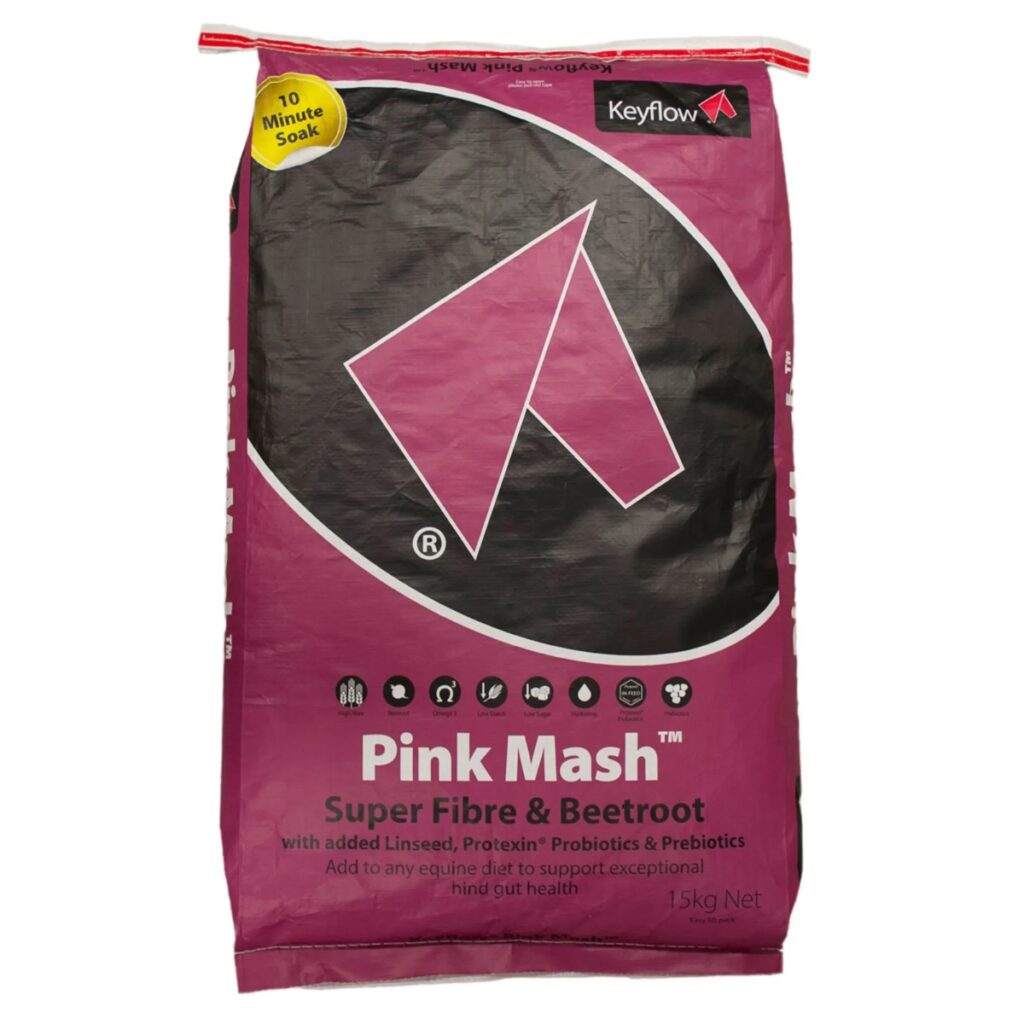
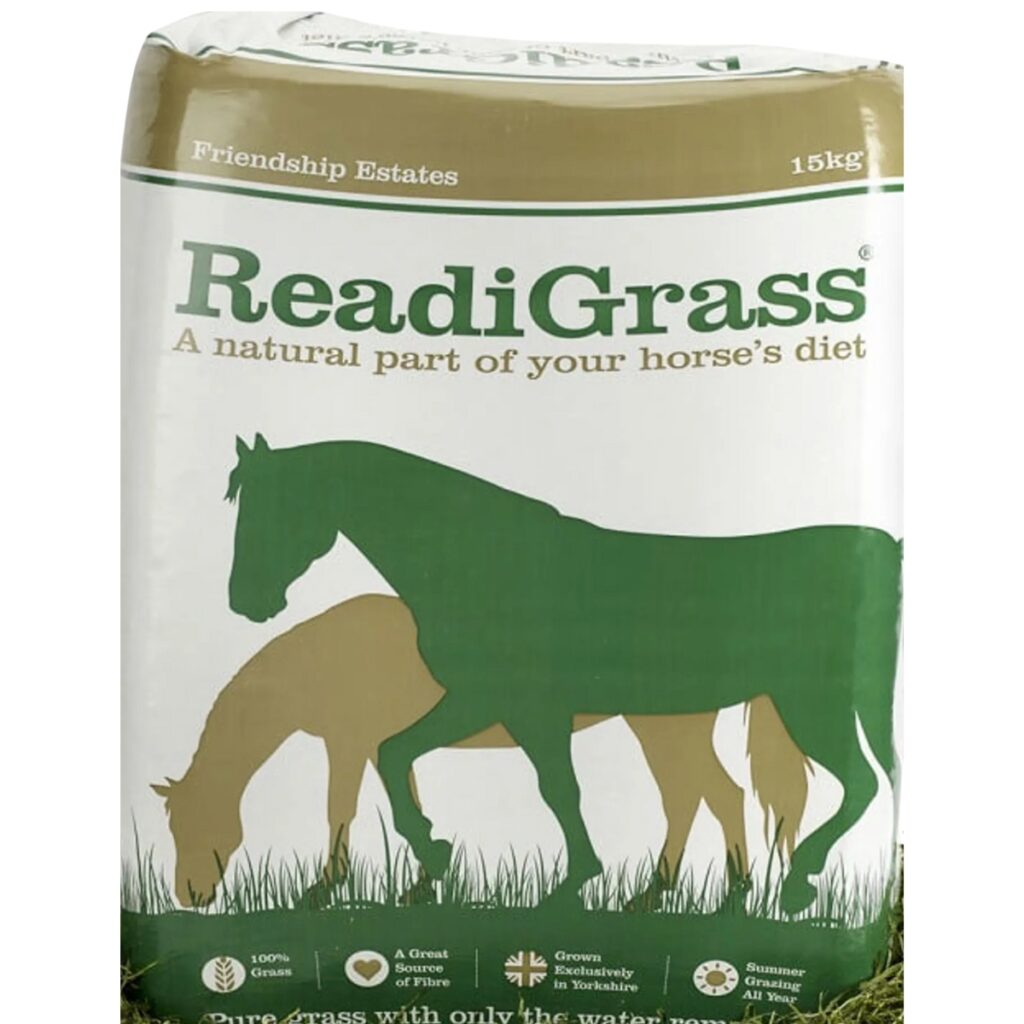
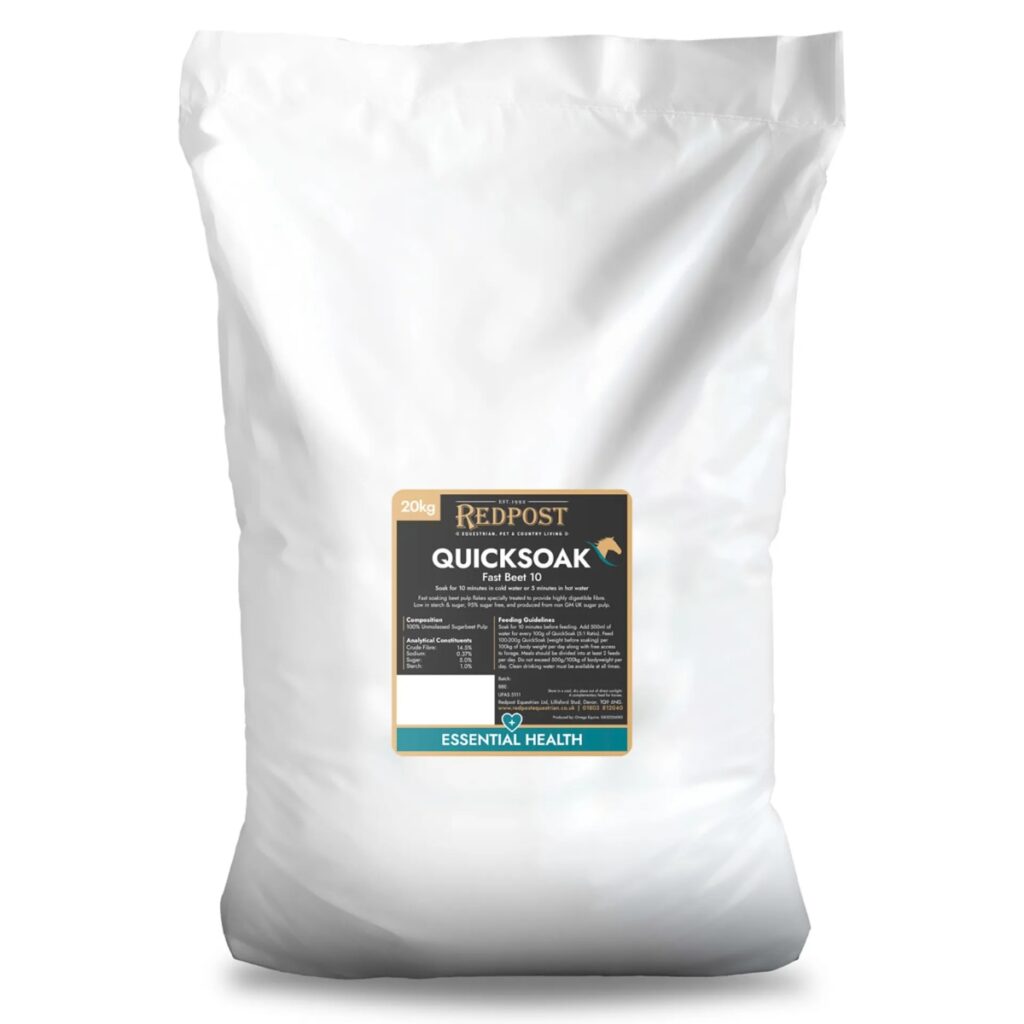
Other Forage Alternatives
Another full forage replacement solution is:
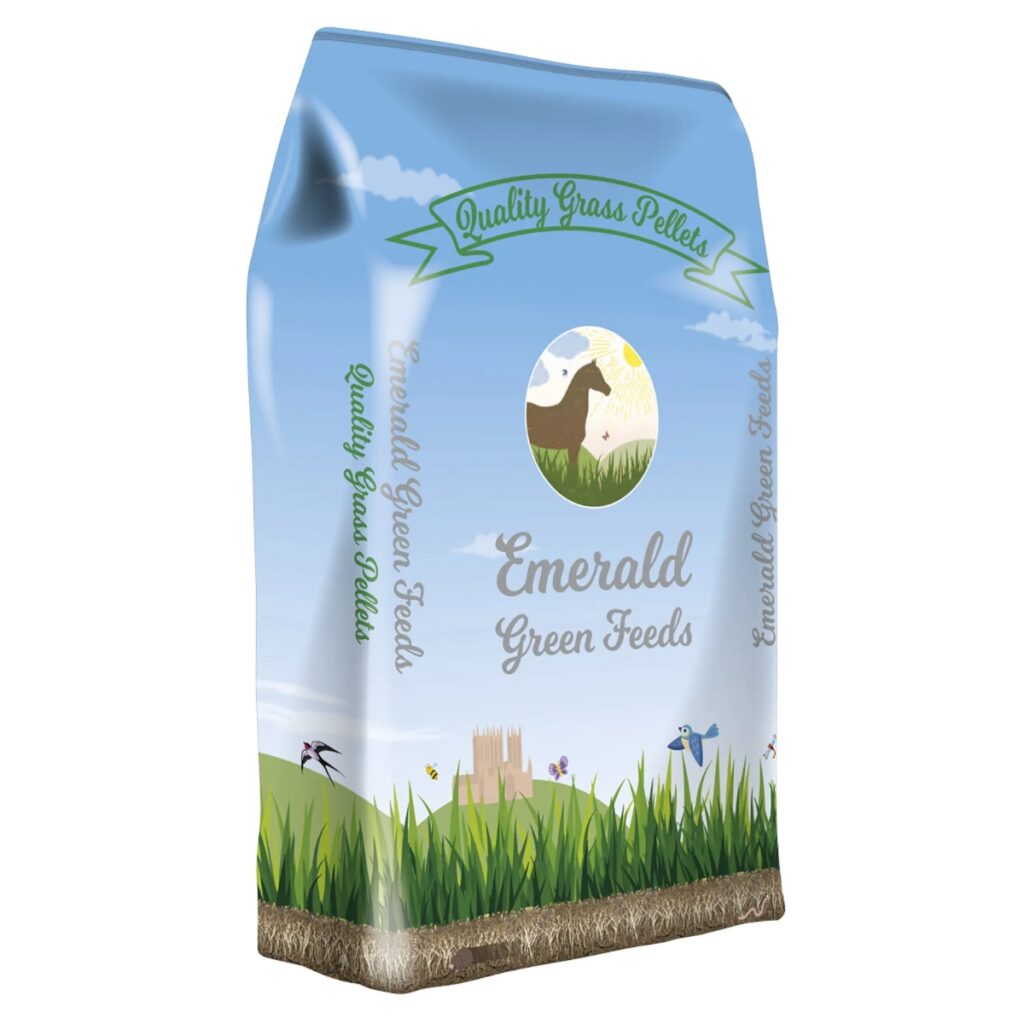
Other partial forage replacement options include:
Monitoring Condition and Health
Whenever you adjust your horse’s feed or reduce forage, it’s vital to monitor your horse’s weight and condition.

Use body scoring or a weigh-tape to track progress, and watch for behavioural changes that may signal discomfort, boredom, or poor digestion.
Ensure your horse gets adequate chewing time each day, essential for saliva production and digestive comfort.
If you have any concerns about your horse’s health or diet, always consult your vet or an equine nutrition specialist.
Rely on Redpost
At Redpost Equestrian, we’re here to help with practical feeding advice and a wide range of horse feeds, balancers, and supplements to keep your horse healthy all year round. Speak to our friendly team in-store or over the phone — we’re committed to helping you find the best feed for your horse.

If you need any further advice, give us a call on: 01803 812040